 24°C
24°C

Mosquito-Borne Diseases in the Dominican Republic: What Travelers Should Know
Mosquito bites are an everyday travel consideration in the Dominican Republic because some mosquitoes can transmit diseases such as dengue, chikungunya and Zika. Understanding when exposure can occur and using consistent bite-prevention measures can help travelers reduce their risk during and after a visit.


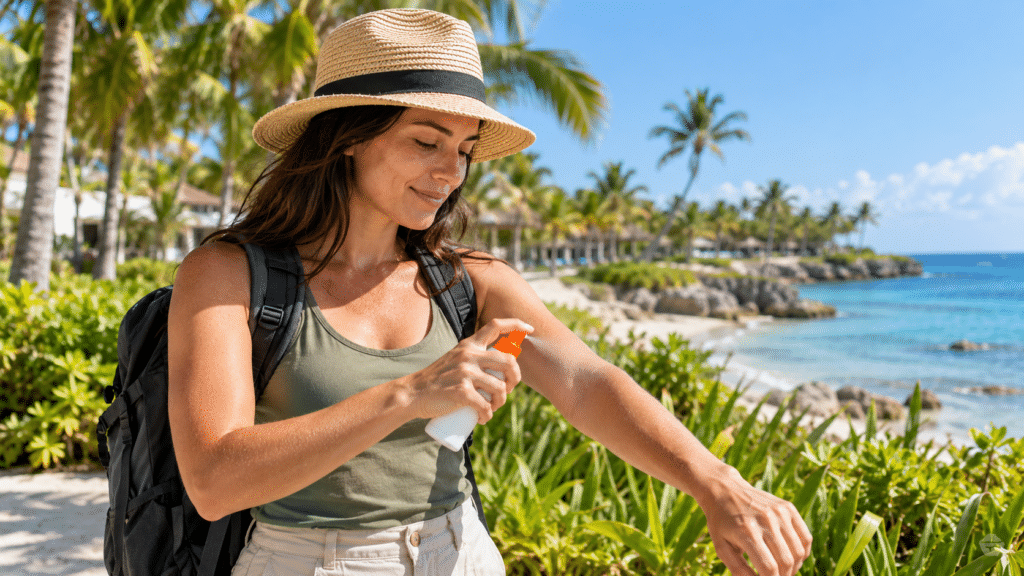
For travelers visiting the Dominican Republic, mosquito protection is a practical part of preparing for a tropical destination. Mosquitoes can be present in urban neighborhoods, resort areas and rural environments, and some species can bite during the daytime as well as at night.
The most important principle is simple: avoiding mosquito bites reduces exposure to mosquito-borne infections. The U.S. Centers for Disease Control and Prevention (CDC) identifies dengue and Zika among mosquito-borne diseases of concern for travelers to the Dominican Republic and recommends measures such as insect repellent, protective clothing and screened or air-conditioned accommodation.
Why Mosquitoes Matter to Travelers
Not every mosquito carries disease, and a mosquito bite does not mean that a traveler has become infected. The concern is that certain mosquitoes can transmit viruses when they are infected themselves. Aedes aegypti, in particular, can transmit dengue, chikungunya and Zika and can live around human habitation.
These mosquitoes can also behave differently from the mosquitoes travelers may be accustomed to at home. Aedes mosquitoes are primarily daytime biters, which means that avoiding mosquitoes only at night is not enough protection. Exposure can occur while sightseeing, sitting outdoors, visiting a beach or taking an excursion.
Dengue Is a Key Travel Health Consideration
Dengue is a viral infection transmitted by infected mosquitoes and is an established travel-health consideration in the Dominican Republic. The CDC notes that dengue is widespread in the country and that transmission can occur throughout the year, with increases frequently reported during the rainy season. The mosquitoes that transmit dengue can occur in both urban and rural environments.
Dengue symptoms can resemble a severe flu-like illness. According to the World Health Organization (WHO), common symptoms include high fever, headache, pain behind the eyes, muscle and joint pain, nausea, vomiting and rash. Symptoms commonly begin several days after infection rather than immediately after a bite.
Most people with dengue recover, but a smaller proportion develop severe dengue. Warning signs include severe abdominal pain, persistent vomiting, rapid breathing, bleeding, marked weakness, restlessness or pale and cold skin. These symptoms require prompt medical attention.
What Travelers Should Know About Chikungunya
Chikungunya is another mosquito-borne viral disease transmitted primarily by Aedes mosquitoes. Its most characteristic symptom is sudden fever accompanied by significant joint pain. Headache, muscle pain, rash, fatigue and nausea can also occur.
The symptoms of chikungunya can overlap with dengue and Zika, which makes it difficult to determine the cause of a fever or rash based on symptoms alone. WHO reports that symptoms typically appear within several days of an infected mosquito bite, and joint pain can sometimes persist considerably longer than the initial illness.
Current health information should be checked before travel because the presence and level of mosquito-borne disease transmission can change. The CDC’s current Dominican Republic guidance should be consulted alongside other recognized public-health sources when planning a trip.
Zika and Why Prevention Still Matters
Zika is also transmitted primarily by infected Aedes mosquitoes. Many infections cause no symptoms or only mild illness, but Zika has particular implications for pregnancy because infection during pregnancy can affect the developing fetus.
Travelers who are pregnant, planning a pregnancy or traveling with a partner who may become pregnant should discuss current Zika guidance with a healthcare professional before departure. Recommendations can change as surveillance data and public-health guidance develop, so current advice is more useful than relying on information from a previous trip.
The important practical point for all travelers is that mosquito-bite prevention remains relevant. The absence of noticeable symptoms does not necessarily mean that an infection did not occur, which is another reason to take prevention measures consistently.
How Mosquito-Borne Diseases Are Transmitted
The transmission cycle begins when a mosquito feeds on a person or animal carrying a pathogen. After the pathogen develops inside the mosquito, the insect can transmit it to another person through a subsequent bite. This means that the mosquito itself is part of the transmission process rather than simply an irritation caused by its bite.
A traveler therefore cannot identify an infected mosquito by appearance or by the sensation of a bite. The practical response is to reduce opportunities for mosquitoes to bite in the first place, particularly when spending time in environments where mosquitoes are active.
For some mosquito-borne viruses, a person who becomes infected can also contribute to local transmission if mosquitoes bite them while the virus is circulating in their blood. WHO notes this mechanism for dengue and chikungunya, which is why avoiding mosquito bites can remain important after symptoms begin.
Do Not Assume a Resort Is Mosquito-Free
Hotels and resorts can provide useful protections such as air conditioning, window screens and controlled outdoor spaces, but they do not create a mosquito-free environment. Guests may still encounter mosquitoes around gardens, pools, vegetation, restaurants with open-air seating and during excursions away from the property.
The same applies to beach destinations. A coastal location does not automatically eliminate mosquito exposure, and travelers may spend time away from the resort during transfers, sightseeing or organized activities. Treating insect repellent as standard travel equipment is therefore more practical than deciding whether it is necessary based solely on the type of accommodation.
Exposure can also occur in cities. Aedes mosquitoes can live close to people and around residential environments, so travelers staying in Santo Domingo or other urban destinations should not assume that mosquito precautions are relevant only in rural areas.
Use Insect Repellent Consistently
Insect repellent is one of the most straightforward ways to reduce mosquito bites. The CDC recommends travelers use an appropriate repellent and follow its product instructions. Common effective active ingredients include DEET, picaridin and IR3535, among others.
Apply repellent to exposed skin according to the label rather than treating it as something that only needs to be used during an excursion. Reapply when the product instructions call for it, particularly after swimming or heavy sweating when applicable.
When sunscreen is also required, travelers should follow the instructions for both products. CDC travel guidance recommends applying sunscreen before insect repellent.
Use Clothing as a Physical Barrier
Clothing can provide an additional layer of protection, especially when travelers spend extended periods outdoors. Long-sleeved shirts, long pants and socks reduce the amount of exposed skin available to mosquitoes.
Loose-fitting, lightweight clothing is often more practical in a hot climate than heavy garments. The CDC also notes that mosquitoes may bite through thin clothing, so clothing treated with permethrin can provide additional protection when appropriate. Permethrin-treated clothing and gear should not be treated as a substitute for repellent applied to skin, and permethrin should not be applied directly to skin.
Travelers planning hiking, camping or extended outdoor activities should consider clothing and equipment as part of their mosquito-prevention strategy before leaving home.
Choose Accommodation That Limits Mosquito Exposure
Where you sleep matters because preventing bites is easier when the room itself limits mosquito access. Air conditioning can reduce exposure, while intact screens on windows and doors provide a physical barrier.
For travelers staying in accommodation that is open to the outdoors or lacks reliable screening, a mosquito net may provide additional protection. The CDC recommends considering a bed net when travelers are sleeping in areas exposed to mosquitoes or where screened rooms are not available.
Travelers should check their accommodation rather than assuming that every property provides the same level of protection. This can be especially relevant for rural stays, outdoor lodging and trips that involve spending nights away from established hotels.
Take Precautions During Outdoor Activities
Outdoor excursions can increase the amount of time a traveler spends exposed to mosquitoes. Hiking, cycling, sightseeing, visiting natural areas and spending long periods around vegetation all make consistent bite prevention more important.
Apply repellent before leaving accommodation and carry it with you when the activity is long enough to require reapplication. Wear clothing that covers more skin when practical and consider a hat and other protective equipment appropriate to the activity.
Travelers should also remember that mosquito protection is not exclusively a nighttime issue. Aedes mosquitoes that transmit dengue, chikungunya and Zika primarily bite during daylight hours, so daytime excursions deserve the same attention as evening activities.
Recognize Symptoms Without Assuming the Cause
A fever during or after a Caribbean trip should not automatically be attributed to sun exposure, dehydration, a minor stomach problem or another routine travel discomfort. Mosquito-borne infections can produce symptoms that overlap with other illnesses, and diagnosis may require a medical assessment.
Symptoms that can occur with dengue include fever, severe headache, pain behind the eyes, muscle or joint pain, nausea, vomiting and rash. Chikungunya commonly produces fever and pronounced joint pain, while Zika is often mild or asymptomatic but can also cause fever, rash, joint pain and conjunctivitis. These patterns are not sufficient to diagnose an infection on their own.
Travelers should pay particular attention to high fever, significant weakness, persistent vomiting, severe abdominal pain, bleeding, breathing difficulties, confusion or other rapidly worsening symptoms. Severe dengue can become a medical emergency, and WHO recommends immediate care when warning signs occur.
What to Do If You Become Ill
If symptoms develop during a trip, seek medical advice when they are significant, persistent or worsening rather than trying to determine the diagnosis yourself. Tell the healthcare professional that you have recently traveled to the Dominican Republic and describe where you stayed, the activities you undertook and when your symptoms began.
Suspected dengue deserves particular caution. WHO advises people with suspected dengue to seek medical advice, and its guidance recommends paracetamol or acetaminophen for symptom relief while avoiding aspirin and ibuprofen because of the potential for increased bleeding risk. Travelers should follow medical advice rather than self-treating a potentially serious illness.
If someone is sick with a suspected mosquito-borne infection, continuing to avoid mosquito bites can also help reduce the possibility of infected mosquitoes acquiring the virus and transmitting it to others. WHO specifically recommends bite prevention during the period when dengue or chikungunya virus may be present in the blood.
Keep Watching for Symptoms After Returning Home
Not every mosquito-borne illness becomes apparent while a traveler is still abroad. Some infections have an incubation period of several days, so symptoms can emerge after returning home.
The CDC advises travelers who develop fever, headache, muscle or joint pain or a rash after travel to seek medical care and explain their travel history. This information can help a healthcare professional consider travel-related infections as part of the assessment.
Continuing mosquito-bite precautions after returning may also be appropriate. CDC guidance recommends preventing mosquito bites for three weeks after international travel to areas where mosquito-borne viruses circulate, helping reduce the possibility that an infected traveler could pass a virus to local mosquitoes.
Mosquito Protection Is Part of Broader Travel Health Preparation
Preparing for mosquito exposure should sit alongside the other health measures travelers consider before leaving home. Check current destination-specific health information, review any personal medical needs, pack necessary medications, confirm travel insurance and make sure routine health preparations are addressed before departure.
Vaccination decisions are a separate part of that broader preparation and do not replace mosquito-bite prevention. Travelers researching their overall health preparations can also review “do I need vaccines for Dominican Republic” as an additional resource, while confirming current recommendations with a qualified healthcare professional or recognized public-health authority.
Health recommendations can change as disease activity and public-health guidance change. Travelers should check current information from recognized authorities such as the CDC, WHO or their national public-health service before departure, particularly if they are pregnant, have underlying medical conditions or plan to spend substantial time in rural or remote areas.
A Simple Mosquito-Prevention Routine
For most travelers, mosquito protection can become part of the normal daily routine rather than a complicated procedure:
Before going outside: Apply an appropriate insect repellent and wear clothing that covers exposed skin when practical.
During outdoor activities: Reapply repellent according to the product instructions and maintain physical barriers when exposure is prolonged.
At your accommodation: Use air conditioning or intact screens where available and consider a mosquito net when sleeping in exposed conditions.
If you become ill: Seek appropriate medical advice, describe your travel history and continue avoiding mosquito bites.
After returning home: Pay attention to relevant symptoms and tell a healthcare professional about your recent travel if you become sick.
Consistent Prevention Is the Most Practical Protection
Mosquito-borne diseases are not a reason to avoid the Dominican Republic, but they are a reason to take insect protection seriously. Dengue, chikungunya and Zika can produce overlapping symptoms, and mosquitoes can be encountered in more settings than travelers may expect.

The most useful precautions are straightforward: use an effective repellent, cover exposed skin when appropriate, choose accommodation with screens or air conditioning, take extra care during outdoor activities and pay attention to symptoms during and after the trip. Checking current public-health guidance before departure adds another layer of preparation without turning a vacation into a medical exercise.