 28°C
28°C

Abinader Rejects Proposal For Mandatory Creole In Schools
President Luis Abinader has rejected a legislative proposal that would make Creole, English and French compulsory subjects in Dominican schools, saying his administration supports strengthening English instruction but does not back mandatory Creole classes.


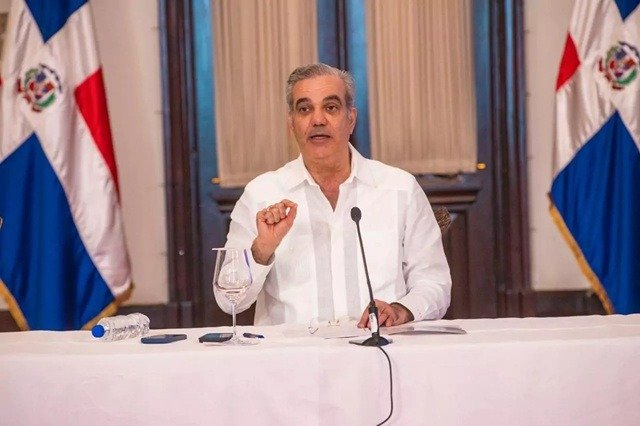
President Luis Abinader has publicly rejected a proposal to introduce mandatory Creole instruction in Dominican schools, distancing his administration from a bill that would require students to study Creole, English and French from primary through secondary education.
Abinader said the Government supports efforts to strengthen English teaching but described the inclusion of Creole as “un despropósito,” or an inappropriate proposal. He also said the initiative was not discussed with or endorsed by either his administration or the ruling Modern Revolutionary Party (PRM).
What The Proposed Language Law Would Change
The bill was submitted by Julio César Beltré Méndez, a PRM lawmaker representing Azua, and seeks to establish the three languages as compulsory subjects in public and private schools. The proposal would apply nationwide rather than being limited to communities along the Dominican-Haitian border.
Supporters of the initiative have argued that teaching Creole could facilitate communication and cooperation between the Dominican Republic and Haiti, which share the island of Hispaniola and maintain extensive economic, social, cultural and migration links. The proposal also presents English and French as tools for education, employment and international competitiveness.
The bill envisions a gradual implementation of the language program. It would give the Ministry of Education time to develop the curriculum and establish standards for language proficiency before the program is fully implemented.
Abinader Backs Stronger English Instruction
Abinader’s comments distinguish his position on the three languages included in the proposal. While rejecting mandatory Creole, the president said his administration is interested in expanding and improving English instruction in Dominican schools.
English has particular relevance to the Dominican economy because of the country’s tourism, international services and commercial ties. Strengthening language skills has therefore remained part of the broader discussion over the preparation of Dominican students for academic and professional opportunities.
The president’s comments place the Executive Branch at odds with the specific Creole component of the legislative initiative, while the proposal itself remains subject to the Dominican Republic’s legislative process before any new educational requirement could take effect.
Legislative Debate Remains Open
The proposal has generated discussion over which foreign languages should be prioritized in the national curriculum and how many additional subjects schools can effectively incorporate. Its supporters have defended the broader multilingual approach, while Abinader has made clear that mandatory Creole does not have his support.
For now, the debate concerns a legislative proposal rather than an established requirement for Dominican students. Any change to the national curriculum would depend on the outcome of the legislative process and subsequent measures required for implementation.
The debate over languages and education is part of a broader political conversation in the country, and Dominican today political news coverage follows major government decisions, legislative developments and issues shaping public policy in the Dominican Republic.