 22°C
22°C

Dominican Republic Construction Workers Win 20% Minimum Wage Increase
Minimum wages for construction workers and related occupations in the Dominican Republic will increase by 20% under a new agreement reached through the country’s tripartite wage-setting process.


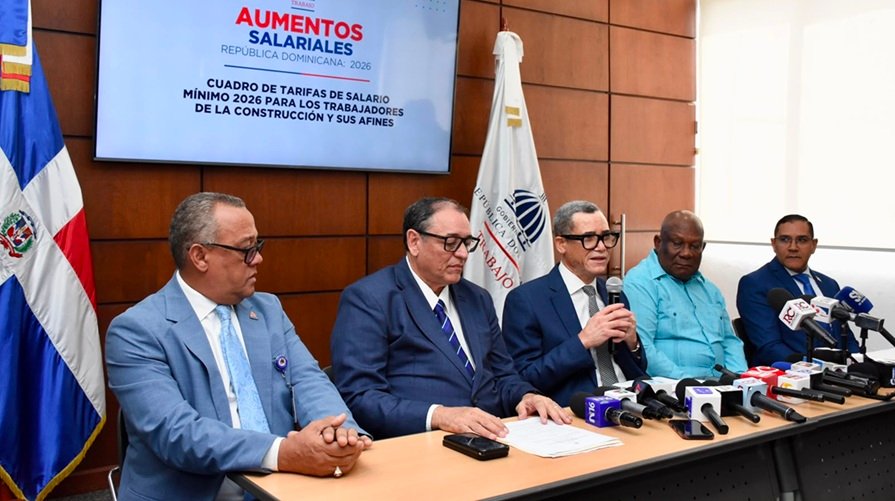
Construction workers in the Dominican Republic will receive a 20% increase in minimum wages after the National Salary Committee, or CNS, approved a new wage schedule for the sector. The measure was adopted through Resolution CNS-04-2026 following negotiations involving worker and employer representatives.
Labor Minister Eddy Olivares Ortega said the agreement is intended to strengthen workers’ incomes while maintaining a balance with the sustainability and competitiveness of companies. The decision was reached through the tripartite dialogue mechanism used by the Dominican Republic to negotiate minimum wages across different sectors of the economy.
New Minimum Wages Set for Construction Workers
The resolution establishes nationwide minimum wages for construction workers and related occupations, with increases applied according to the category of each worker. The new rates are part of a broader effort to gradually improve earnings as economic activity, productivity and employment develop.
For unskilled workers, the minimum wage will rise from RD$980.59 to RD$1,176.70, while qualified workers will see their rate increase from RD$1,072.85 to RD$1,287.42. Helpers will move from RD$1,260.34 to RD$1,512.40.
For third-category operators, the minimum will increase from RD$1,636.80 to RD$1,964.16. Second-category operators will move from RD$1,867.44 to RD$2,240.93, while first-category operators will receive a new minimum of RD$2,801.60, up from RD$2,334.67.
Construction foremen and masters in each trade will see their minimum wage rise from RD$2,941.78 to RD$3,530.13. The new rates for second-category operators, first-category operators and construction masters will take effect on June 1, 2027, according to the resolution details provided with the announcement.
Agreement Reached Through Tripartite Negotiations
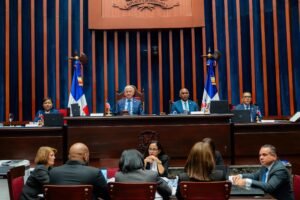
The decision followed CNS sessions held on May 12, May 19, May 26 and June 2, 2026. Representatives of both employers and workers in the construction industry participated in the negotiations.
The National Salary Committee serves as the forum through which representatives of workers, employers and the government negotiate minimum wage adjustments. The latest construction agreement follows the same social-dialogue approach used for wage increases in other sectors.
Olivares Ortega described the agreement as evidence that negotiations among the three sides can produce wage increases while taking business sustainability into account. He also linked the measure to the government’s broader wage policy and its objective of improving working conditions.
Construction Remains a Key Part of the Economy
The wage increase comes in a sector that plays a significant role in the Dominican economy through employment, private investment, infrastructure development and housing construction. Construction also supports a wide network of businesses and workers whose activity depends directly or indirectly on new projects.
Higher minimum wages therefore affect not only construction workers and their households but also the labor costs faced by companies operating in the sector. For employers, the agreement introduces higher mandatory wage floors, while for workers it establishes higher minimum earnings across a range of construction occupations.
The measure also comes as construction remains one of the country’s most dynamic economic activities. The sector’s performance has been supported by investment and financing, making labor costs and wage conditions an increasingly relevant factor for companies involved in construction projects.
The government has framed the new wage schedule as part of an effort to ensure that economic growth is accompanied by improvements in workers’ incomes and employment conditions. The latest agreement adds construction to the sectors where minimum wages have been adjusted through negotiated settlements between labor and business representatives.