 25°C

Lawmaker Alleges Widespread Overbilling by Dominican Power Companies
Dominican lawmaker Charlie Mariotti says complaints over allegedly unjustified electricity bills rose sharply in 2026, calling for greater scrutiny of distribution companies and their use of public funds.


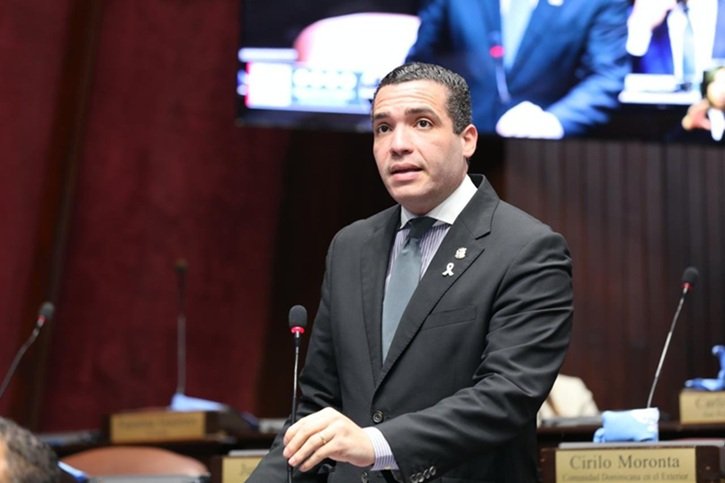
Dominican lawmaker Charlie Mariotti has accused the country’s electricity distribution companies of overcharging consumers, citing a sharp increase in complaints over disputed bills and calling for greater government accountability in the power sector.
Mariotti, a member of the Dominican Liberation Party (PLD) representing the National District, told lawmakers that complaints filed over allegedly unjustified electricity charges rose from 3,600 in April 2026 to 15,500 in September. He argued that the figures raise concerns about billing practices at the country’s electricity distributors, even though official electricity rates have remained unchanged.
The legislator alleged that some companies were charging customers more to conceal operational losses. His statements were made during an address before the Chamber of Deputies, where he also called for authorities in the electricity sector to be formally questioned about the situation.
Mariotti Questions the Rise in Electricity Bills
According to Mariotti, the increase in complaints suggests that consumers may be facing higher bills without a corresponding change in the official tariff. He argued that the problem goes beyond isolated billing mistakes and requires a broader examination of how distribution companies calculate and collect payments.
“They have not raised the tariff; they are inflating the bills,” Mariotti said, arguing that the figures support his allegations. He also referred to previous remarks attributed to Celso Marranzini, who formerly headed the Unified Council of Electricity Distribution Companies (CUED), concerning alleged inflated billing at EDEESTE.
Mariotti said Marranzini had previously reported that an administrator at EDEESTE was inflating bills for more than 42,000 customers to mitigate the impact of distribution losses. The claim was cited by the lawmaker as part of his argument about the need for stronger oversight of the sector.
PROTECOM Rulings Raise Questions About Billing Practices
Mariotti also cited cases handled by PROTECOM, the consumer protection office responsible for complaints involving electricity services. He said that, over a recent six-month period, the state agency ruled in favor of consumers in approximately 20,000 cases involving disputed electricity bills.
The lawmaker characterized the number of favorable decisions as evidence of a recurring problem affecting customers. He argued that the findings warrant closer scrutiny of the distribution companies’ billing procedures and the mechanisms used to resolve consumer disputes.
However, the number of complaints and favorable rulings does not, by itself, establish that every disputed bill was intentionally inflated. Determining the extent and causes of any overbilling would require a review of the individual cases, the applicable billing rules and the distributors’ records.
EDENORTE Faces Questions Over Disputed Bills
In examining figures attributed to the Northern Electricity Distribution Company (EDENORTE), Mariotti said approximately half of the complaints reviewed were deemed valid. He used that proportion to argue that billing errors were occurring at a troubling rate.
“That means that at EDENORTE specifically, out of every 10 bills they issue, five are being issued with errors,” the legislator said.
The statement reflects Mariotti’s interpretation of the complaint figures he presented. The proportion of valid complaints among cases submitted for review does not necessarily represent the same proportion of all bills issued by the company, since customers who file complaints may not be representative of its entire customer base.
Even so, a substantial number of complaints upheld in consumers’ favor would raise questions about billing accuracy, customer service and the effectiveness of existing oversight mechanisms.
Call for Greater Oversight of Electricity Distributors
Mariotti concluded his remarks by criticizing the continued allocation of public funds to electricity distribution companies without, in his view, sufficient verification of how the money is spent. He described the situation as abusive and unjust and renewed his call for authorities in the electricity sector to be formally questioned by lawmakers.
The dispute comes amid broader public concern about electricity costs in the Dominican Republic. Although the official tariff may remain unchanged, the amount customers pay can vary with consumption, applicable rate structures and billing adjustments. Allegations of unjustified charges therefore raise a separate question from whether the government has increased electricity rates.
For households, the central issue is whether their bills accurately reflect electricity consumption and the rates that apply to them. For the government and regulators, the complaints cited by Mariotti point to the importance of transparent billing, effective dispute resolution and accountability for companies receiving public support.