 22°C
22°C
Dominican Republic Orders Nine Cuban Diplomats To Leave
The Dominican Republic has ordered nine Cuban diplomats and their family members to leave the country within seven days, citing its rights under international diplomatic law while declining to disclose the reasons behind the decision.


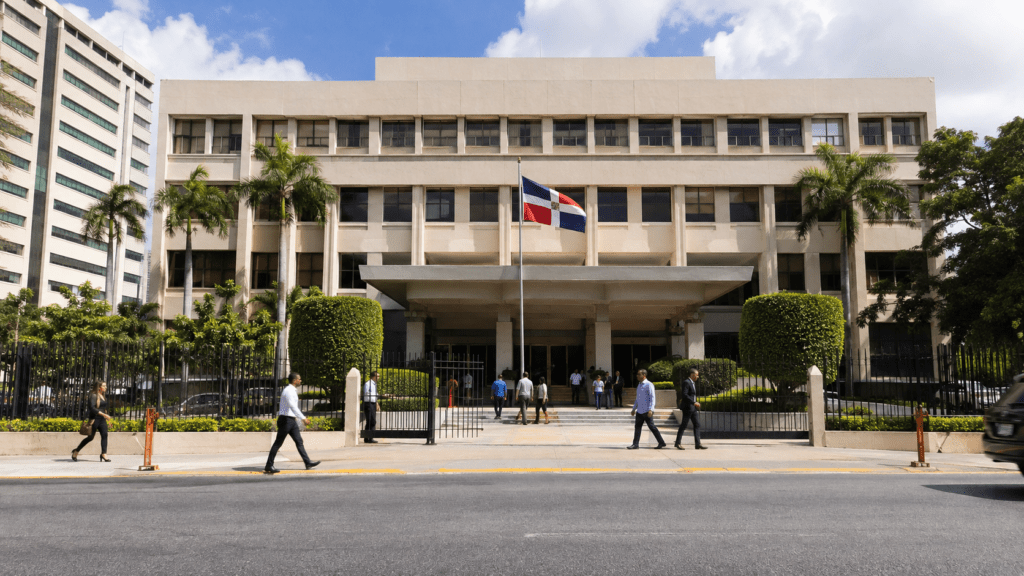
The Dominican Republic has ordered nine Cuban diplomatic officials and their family members to leave the country within seven days, marking a significant development in relations between Santo Domingo and Havana. The Ministry of Foreign Affairs, known as MIREX, did not publicly provide a reason for the decision.
In a brief statement, MIREX said the measure falls within the powers recognized under international law for a receiving state and cited the relevant provisions of the Vienna Convention on Diplomatic Relations, to which the Dominican Republic is a party.
Government Keeps Reasons Confidential
The Dominican government said it would continue handling the matter through established diplomatic channels and with discretion, emphasizing its interest in preserving relations with Cuba. The ministry also said it would not provide additional details because the matter involves diplomatic communications.
The measure affects more than the nine officials themselves. According to local reporting cited in connection with the decision, the total number of people required to leave the Dominican Republic could reach about 21, including the diplomats and their relatives.
The government has not publicly linked the expulsions to any specific incident, nor has it disclosed whether the decision is connected to security, diplomatic or political concerns. Without an official explanation, the precise circumstances behind the order remain unclear.
A Sensitive Moment In Dominican-Cuban Relations
The decision comes after several recent signs of political distance between the two governments. In May, Dominican President Luis Abinader described Cuba as not being a democratic state during an interview with Infobae, while saying that he believed Cuban authorities were recognizing the need for change.
Those comments underscored differences between Santo Domingo and Havana over Cuba’s political system. However, the Dominican government has not stated that those differences were the reason for the latest diplomatic measure.
The expulsion also highlights the importance of diplomatic status in international relations. Under the Vienna Convention, a receiving country has specific rights regarding members of foreign diplomatic missions, including the ability to reject individual diplomats without necessarily making the underlying reasons public.
Diplomatic Ties Were Restored After Decades
Relations between the Dominican Republic and Cuba have a long and complicated history. Diplomatic ties were severed during the dictatorship of Dominican ruler Rafael Leónidas Trujillo, which lasted from 1930 to 1961, before the two countries eventually restored formal relations in the 1990s.
The restoration opened the way for the two governments to reestablish embassies and resume official contacts. A landmark moment followed in August 1998, when Cuban leader Fidel Castro made an official visit to the Dominican Republic.
Despite political differences between Havana and Santo Domingo, diplomatic relations have remained in place. The Dominican government’s latest decision therefore represents a notable action involving Cuba’s diplomatic presence while the two countries continue to maintain formal relations.
For now, the most important unanswered question is why the Dominican government decided to require the departure of the nine Cuban officials and their relatives. MIREX has indicated that it will keep the matter within diplomatic channels, leaving further details dependent on any subsequent decision by either government to make the circumstances public.