 22°C
22°C
SENASA Special Investigation Report Completed, Review Pending
The Dominican Republic's Chamber of Accounts has completed a special investigation into the National Health Insurance system, SENASA, but will not yet release its findings publicly while the audited institution reviews and responds to the reported findings.


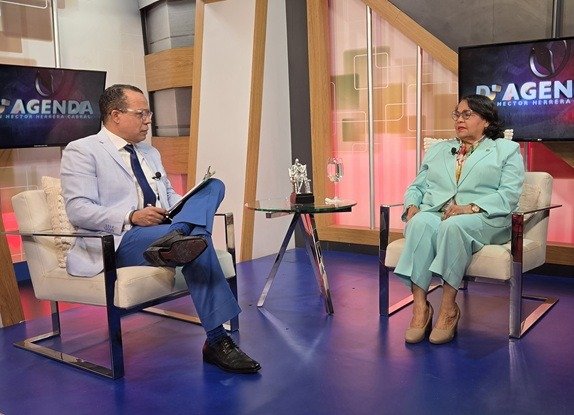
The Chamber of Accounts of the Dominican Republic, the country’s supreme public-sector auditing institution, has completed a special investigation into the National Health Insurance system (SENASA) requested by the Special Prosecutor’s Office for the Prosecution of Administrative Corruption (PEPCA).
Chamber of Accounts President Emma Polanco Melo said the report has already been delivered to SENASA, which is now reviewing the findings. The document will not be sent to prosecutors or published on the agency’s website until the audited institution has had an opportunity to submit its observations and supporting documentation.
Audit Findings Remain Under Review
Polanco Melo explained that a special investigation or audit involves more than 25 procedural stages, beginning with planning and the formation of an audit team and continuing through fieldwork and analysis of the information collected.
Once potential findings are identified, they are communicated to the institution under review. The audited entity then has 45 days to submit supporting documents or explanations before the Chamber of Accounts finalizes the process.
The chamber’s president said the institution does not publicly disclose audit results before the audited entity has been informed of the findings. In the SENASA case, that notification was made last week.
The investigation comes as more than a dozen people face prosecution in the broader SENASA case, including former SENASA director Santiago Hazim, who is among those subject to pretrial detention, according to the information provided by authorities.
SENASA Review Covers Multiple Areas
The SENASA audit is particularly extensive and requires specialists from several professional fields. It was divided into three components: the special investigation into contracts, which has now been completed; a financial audit covering the institution’s overall management; and a specialized review of medicines requiring medical auditors.
The contract investigation also involved technical challenges because SENASA’s contracts were encrypted. The Chamber of Accounts had to reach an agreement with Microsoft, which implemented the institution’s computer systems, to gain access to the relevant information.
Polanco Melo said specialized audits cannot always be completed as quickly as some sectors demand because they require professionals from different disciplines who are not all part of the chamber’s permanent staff and therefore must be hired.
Audits of Education and Other Government Institutions Continue
The Chamber of Accounts is also auditing the administration of Roberto Fulcar at the Ministry of Education, following similar reviews of previous administrations. The ministry oversees a budget equivalent to 4% of the Dominican Republic’s gross domestic product.
Polanco Melo said audits had accumulated significant delays under the previous government. Responding to criticism that the institution has focused disproportionately on administrations under former President Danilo Medina, she said a substantial number of audits involving the current government have also been completed.
Of the 191 audits currently in progress, she said nearly all concern the first administration of President Luis Abinader. During her tenure, the chamber has conducted 110 audits, 60 of which have been referred to PEPCA. She said the completed reports are available on the institution’s website.
New Criminal Code Prompts Legal Review
The chamber’s legal team has begun studying the implications of the new Criminal Code for its auditing work. Copies of the legislation were distributed among the institution’s departments and members of its governing body, while the legal office is preparing a workshop for audit personnel.
The chamber has a team of attorney-auditors responsible for identifying potential liabilities arising from audit findings. Polanco Melo said violations can result in administrative, criminal or civil responsibility, depending on the nature of the conduct identified.
She also emphasized the limits of the institution’s role: the Chamber of Accounts does not prosecute individuals. Its function is to identify facts and findings through its audits and refer them to the competent authorities when appropriate.
Public Trust Funds Face Information Requests
The Chamber of Accounts has also requested information from public trusts as part of its audit of the Dominican Republic’s General State Budget. According to Polanco Melo, most of the entities contacted responded that they were either not operating or had not received funds.
The information is needed to establish how the trusts operate, what budgets they have and how public resources have been executed. Regarding the Pro-Pedernales trust, Polanco Melo said it apparently receives funding from the central government because it does not have a separately assigned budget.
She said the requested information from Pro-Pedernales had not yet been received, leaving the chamber awaiting documentation needed for its review.