 24°C
24°C

Dominican Sporting Success Renews Debate Over Grassroots Investment
The Dominican Republic's medal-winning performances at the 2026 Central American and Caribbean Games have fueled national celebration while also prompting renewed discussion over whether sporting success is matched by sustained investment in community facilities and youth development.


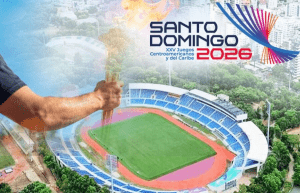
The Dominican Republic’s strong showing at the 2026 Central American and Caribbean Games in Santo Domingo, highlighted by the achievements of Marileidy Paulino, the women’s national volleyball team, and other standout athletes, has sparked widespread celebrations across the country. The victories have also revived a broader public debate about the state of sports development beyond elite competition.
While government officials have praised the country’s accomplishments and pointed to recent investments in sports infrastructure, the celebrations have coincided with calls for greater attention to the conditions facing young athletes in many communities. Critics argue that international success should be accompanied by long-term policies that expand access to quality facilities, coaching, and development programs throughout the country.
Investment and Uneven Access
According to official figures referenced in the discussion, more than RD$5.295 billion was invested in sports infrastructure between 2020 and 2025, funding the construction and renovation of venues ahead of the regional games.
Despite those investments, concerns remain over the condition of community sports facilities in lower-income neighborhoods and rural areas. Supporters of increased grassroots funding argue that many local courts and playing fields continue to suffer from poor maintenance, limited equipment, inadequate lighting, and a lack of consistent operational support, making it more difficult for young athletes to develop their talent.
Calls for a Long-Term Sports Policy
The debate extends beyond infrastructure to the broader design of national sports policy. Advocates say that successful sporting systems combine accessible facilities with youth development, qualified coaching, sports science, and stable funding that reaches communities across the country rather than concentrating resources on major events.
They argue that treating sport as part of broader education, health, and social inclusion policies can help create opportunities for young people while strengthening future generations of athletes.
Beyond International Medals
The recent achievements have reinforced national pride, but they have also encouraged discussion about how those successes can translate into lasting benefits. Many observers believe that maintaining world-class performances will require continued investment not only in elite athletes but also in neighborhood sports programs that serve as the foundation of future talent.
As the celebrations continue following the Santo Domingo 2026 Games, the conversation increasingly centers on whether the country’s sporting momentum can be transformed into a sustainable strategy that expands opportunities for young Dominicans nationwide.