 24°C
24°C

Santo Domingo 2026 Games Seen as Catalyst for Tourism and Economic Growth
The 2026 Central American and Caribbean Games are expected to deliver benefits extending well beyond the medal table, with specialists pointing to opportunities for tourism, infrastructure, investment, and long-term economic development in the Dominican Republic.


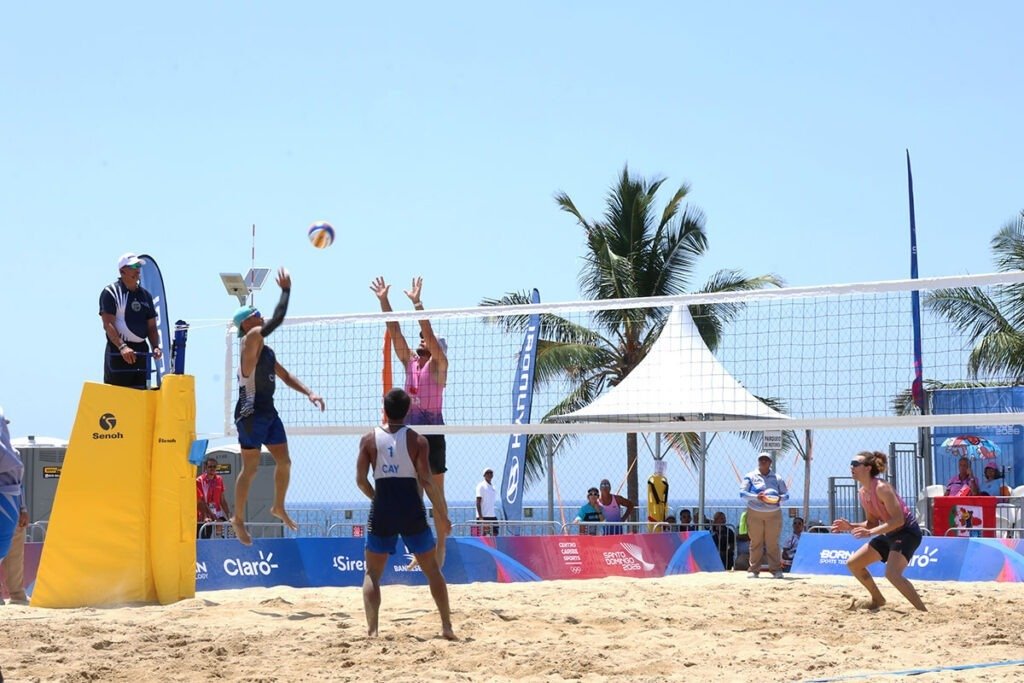
The Santo Domingo 2026 Central American and Caribbean Games are being viewed by business leaders, tourism experts, and sports officials as more than a regional sporting event. While the competition brings together thousands of athletes from across the Americas and the Caribbean, many believe its greatest success will be measured by its long-term contribution to the Dominican Republic’s economy, international visibility, and sports development.
The centennial edition of the Games features more than 7,200 athletes and officials representing 37 countries and territories, competing in 40 sports and 57 disciplines. It marks the third time the Dominican Republic has hosted the event, following previous editions in 1974 and 1986.
Sport as a Driver of National Development
Felipe Vicini, president of Creando Sueños Olímpicos (CRESO), described the Games as a milestone for Dominican sports, emphasizing that continued collaboration between the government, the Dominican Olympic Committee, and the private sector will be essential once the competition concludes.
Vicini noted that developing elite athletes requires years of sustained investment, funding, and international competition. He also said the Games provide an opportunity to evaluate a new generation of Dominican athletes preparing to represent the country in future Olympic cycles and international championships.
Tourism Industry Expects Lasting Benefits
Industry representatives believe the event will generate significant economic activity beyond the competition venues. According to Yerik Pérez, president of the Dominican Association of Sports Tourism (Adotur), sports tourism creates demand across hotels, restaurants, transportation services, airports, retailers, and local businesses.
Each national delegation is accompanied by coaches, technical staff, journalists, relatives, and supporters, increasing visitor spending throughout the country. Pérez highlighted that sports tourists typically stay longer and spend more than the average traveler, making the segment particularly valuable for the Dominican tourism industry.
Juan Bancalari, president of the Dominican Association of Hotels and Tourism (Asonahores), described sports tourism as one of the fastest-growing segments worldwide and an important opportunity to diversify the country’s tourism offerings while strengthening its reputation as a destination capable of hosting major international events.
Infrastructure Designed for Long-Term Use
The Dominican government invested approximately US$160 million in constructing and renovating 16 sports facilities for the Games, including upgrades to the Juan Pablo Duarte Olympic Center and the Parque del Este sports complex.
Economist Huáscar Jiménez, president of the Center for Tourism and Local Development Studies (Cetdel), argued that the value of the investment should be measured over decades rather than weeks. Beyond physical infrastructure, he said the Games leave behind organizational experience, technical expertise, and trained personnel capable of supporting future international competitions.
Civil engineer Ydalia Martínez Mejía added that the renovated facilities should remain accessible to athletes and the wider community, including children, older adults, women, and people with disabilities. She stressed that proper maintenance and effective management will determine whether the investment produces lasting social and economic benefits.
Economic and Social Opportunities
Specialists also point to wider economic impacts. More than 4,000 professionals from the creative industries—including designers, audiovisual producers, technicians, musicians, dancers, and communications specialists—have participated in organizing the Games, highlighting the event’s contribution beyond sport.
The Dominican delegation also reflects growing female participation, with 329 women accounting for 44.3% of the country’s 741 competing athletes. Officials view the increase as another positive outcome supporting greater inclusion in Dominican sports.
Building a Sports Tourism Strategy
According to figures cited by the Ministry of Tourism, the Dominican Republic welcomed more than 11 million visitors in 2025, with an estimated 2% traveling primarily for sports-related activities. Golf alone attracted roughly 400,000 visitors during the year.
Authorities expect the Games to attract more than 300,000 visitors while broadcasts across the organization’s 37 member nations could reach an audience exceeding 280 million people. Organizers also estimate that the opening ceremony generated nearly 135 million digital impressions, increasing international exposure for the country.
The Legacy Will Be Measured After the Closing Ceremony
Experts agree that the true test of Santo Domingo 2026 will begin after the athletes leave. Maintaining world-class facilities, attracting future international competitions, supporting athlete development, and expanding sports tourism will determine whether the Games become a lasting engine of economic growth.
They also recommend strengthening public-private partnerships, improving transportation around sporting venues, streamlining administrative processes, and creating long-term management models for the new infrastructure. If those objectives are achieved, specialists believe the Games could become a turning point in positioning the Dominican Republic as one of the Caribbean’s leading destinations for international sporting events.