 24°C
24°C

Dominican Republic’s 511 Road Service to Offer English Assistance to Tourists
Tourists driving in the Dominican Republic will be able to receive assistance in English when calling 511 to report road emergencies, as authorities strengthen coordination between road services and the tourism sector.


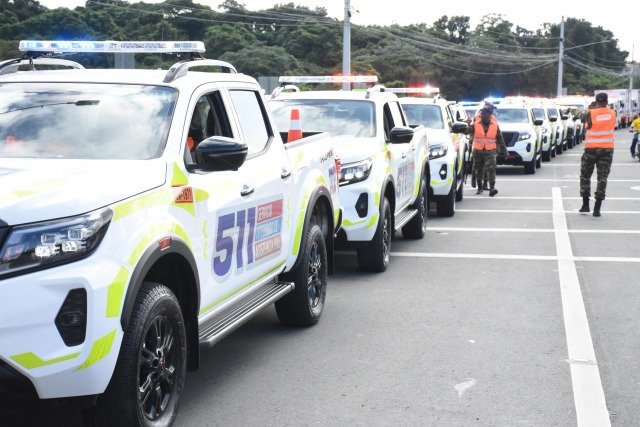
International visitors traveling by road in the Dominican Republic will have access to English-language assistance through the 511 emergency road service, according to Hostos Rizik, director of the RD-Vial Trust. The measure is part of a strategic alliance with the Ministry of Tourism aimed at strengthening support for tourists on the country’s road network.
Rizik said the change followed a request from the tourism authorities about whether the service could assist visitors in English. He said RD-Vial initially did not have that capability but instructions were subsequently given to implement it.
For foreign visitors, the change adds an English-language option to a national system designed to provide assistance during vehicle breakdowns, accidents and other emergencies on major roads. That can be particularly relevant for travelers driving outside the main resort areas, where navigating local emergency and roadside services may otherwise be more difficult.
How the 511 Road Assistance Service Works
The 511 number is the official contact channel for the Integrated Road Assistance Service, operated by the Military and Police Commission (COMIPOL). The number replaced 829-688-1000 in August 2025 as the service’s national contact number.
Drivers can use 511 to request immediate assistance when facing a breakdown, accident or another dangerous situation on the Dominican Republic’s national road network. The service forms part of the country’s broader road-safety system, alongside agencies responsible for traffic enforcement, transportation and tourist security.
The number was introduced under the North American Numbering Plan (NANP), the telecommunications numbering system that includes the Dominican Republic, the United States and Canada. RD-Vial said the move was intended to provide a simpler and more recognizable contact number for motorists seeking roadside assistance.
Tourism and Road Safety Coordination
The addition of English-language assistance connects the road service more directly with the Dominican Republic’s tourism industry, which depends heavily on safe and accessible transportation between airports, hotels, attractions and destinations across the country.
Rizik described the measure as part of a broader effort to reinforce the country’s road-security system. He also pointed to the presence of the tourist police, the General Directorate of Traffic Safety and Land Transportation (DIGESETT), and the National Institute of Transit and Land Transportation (INTRANT) as components of the wider network supporting visitors and motorists.
The development comes as authorities continue to focus on improving road infrastructure and visitor mobility. Earlier in August, the Ministry of Tourism and RD-Vial launched a national plan to standardize and modernize tourist road signage in several destinations, including La Altagracia, El Seibo, Samaná, Puerto Plata, Pedernales, María Trinidad Sánchez and Santiago.
For tourists who rent cars or travel between destinations by road, knowing that 511 can provide assistance in English gives them a more accessible way to seek help if an incident occurs. The service does not replace emergency or security agencies, but adds a direct roadside-assistance channel for motorists using the national road network.
A New Contact Point for International Visitors
The English-language capability is intended to make the existing 511 system easier for international travelers to use rather than create a separate emergency number. Its usefulness will depend on the service’s implementation and the ability of operators to respond effectively when foreign visitors call.
RD-Vial officially launched 511 in August 2025 as a replacement for the previous telephone number, describing it as a single, easy-to-remember channel for reporting emergencies and incidents on the country’s principal highways.
With English support now being incorporated for tourists, the road-assistance system is becoming another point of contact between visitors and Dominican public services, particularly for travelers who choose to explore the country independently by car.