 23°C
23°C

What Hurricane Season Means for Travelers to the Dominican Republic
The Dominican Republic remains a year-round destination during the Atlantic hurricane season, but travelers visiting between June and November should understand how tropical weather can affect flights, excursions and outdoor plans. The greatest concentration of Atlantic hurricane activity typically occurs between August and October.


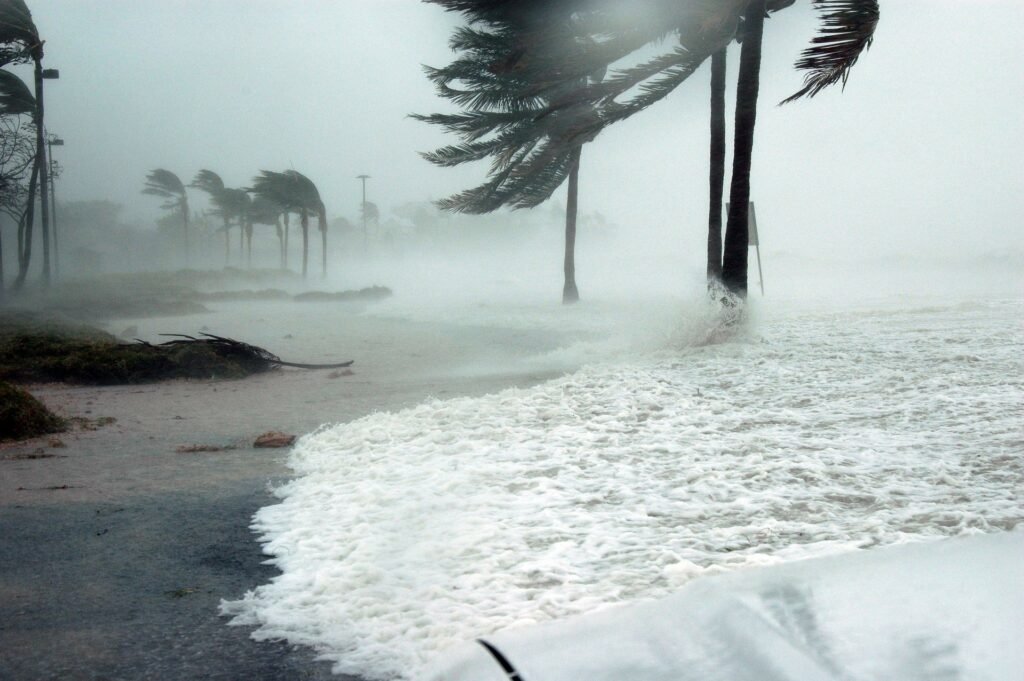
The Dominican Republic hurricane season runs from June 1 through November 30, following the official Atlantic hurricane season. For visitors, however, the season does not mean that travel comes to a halt. The country continues to receive tourists during these months, when warm temperatures, beach conditions and occasional short rain showers remain part of the normal tropical climate.
The main difference is the greater possibility of weather disruptions. Understanding how vulnerable the Dominican Republic is to hurricanes can help travelers put the seasonal risk into perspective. Tropical storms can affect air travel, boat excursions, beaches and other outdoor activities, making flexibility more important for travelers planning summer and fall vacations.
When Is Hurricane Season in the Dominican Republic?
The official Atlantic season begins on June 1 and ends on November 30. While tropical systems can develop outside those dates, the period provides the standard framework used by forecasters and authorities to monitor hurricane activity in the Atlantic and Caribbean.
Activity is not evenly distributed across the six-month period. August through October are generally the most active months in the Atlantic, with September historically standing out as the peak month. That does not mean a hurricane will affect the Dominican Republic during those months, but it does make weather monitoring particularly relevant for travelers with plans during late summer and early fall.
Does Hurricane Season Mean You Should Avoid the Dominican Republic?
Not necessarily. The Dominican Republic’s official tourism information describes hurricane season as a period that can still bring sunny and humid conditions, along with occasional afternoon or nighttime rain. Rainfall in the country is often short-lived, although tropical systems can produce substantially different conditions when they approach the region.
For many travelers, the potential trade-off is cost. The summer and early fall months coincide with the country’s lower tourism season, when hotels and airlines may offer discounts. Travelers willing to accept a greater degree of weather uncertainty can therefore find opportunities to reduce the cost of a Caribbean vacation.
How Tropical Storms Can Affect a Vacation
The biggest practical concern is not necessarily a direct hurricane impact. Even a storm that does not make landfall in the Dominican Republic can produce heavy rain, rough seas or strong winds that affect transportation and outdoor activities.
Flights may be delayed or rescheduled, while boat trips, whale-free excursions, diving, snorkeling and other marine activities can be suspended when sea conditions become unsafe. Travelers with tightly scheduled itineraries may therefore have less flexibility than those who leave additional time between major activities or connections.
The country’s geography can also produce different conditions from one region to another. The Dominican Republic has extensive coastlines on its northern, eastern and southern sides, meaning weather impacts are not necessarily uniform across the entire country. The official tourism authority notes that one coast can be affected while another remains relatively unaffected by the same system.
How to Plan a Trip During Hurricane Season
Travelers visiting during the hurricane season can reduce disruption by keeping their plans flexible. Booking accommodations and transportation with clear cancellation or change policies can be particularly useful if a tropical system develops near the Caribbean.
It is also worth checking weather forecasts regularly during the days leading up to outdoor excursions. The National Hurricane Center, operated by the U.S. National Weather Service, provides official forecasts, watches and warnings for tropical systems in the Atlantic basin.
Travel insurance can provide another layer of protection, particularly for visitors whose flights, accommodations or activities involve significant prepaid expenses. The exact coverage varies by policy, so travelers should check whether weather-related cancellations, delays and interruptions are included before purchasing.
September and October Require More Attention
Although hurricane season covers six months, travelers planning trips in September and October should pay particular attention to forecasts because these months fall within the Atlantic’s climatological peak period. The National Hurricane Center identifies a sharp seasonal peak around September, while August through October account for most Atlantic tropical activity.
That seasonal pattern should not be interpreted as a prediction for any individual trip. Hurricane climatology describes long-term patterns, not whether a specific destination will experience a storm on particular travel dates.
Balancing Weather Risk and Travel Costs
For travelers deciding when to visit the Dominican Republic, hurricane season is therefore a question of priorities rather than a simple choice between safe and unsafe months. December through April generally offers more predictable conditions, while the summer and early fall can combine warm weather with lower-season pricing but greater uncertainty.
A flexible itinerary can make the difference for visitors who choose to travel during the hurricane season. Those who understand the seasonal pattern, monitor official forecasts and leave room to adjust excursions or transportation plans can still build a successful trip around the Dominican Republic’s beaches, cities and natural attractions.
For travelers comparing the entire year rather than focusing only on storm risk, the broader seasonal picture remains important. The effects of climate change in the Dominican Republic may also influence weather patterns and environmental conditions over time, while prices, wildlife, outdoor activities and major events change throughout the year. This makes the best travel period dependent on what each visitor wants to experience.