 24°C
24°C

When to See Humpback Whales in the Dominican Republic
The Dominican Republic's humpback whale season gives travelers a chance to combine a Caribbean vacation with one of the country's most important wildlife events. From January through March, whales gather in and around Samaná Bay as part of their annual migration and breeding cycle.


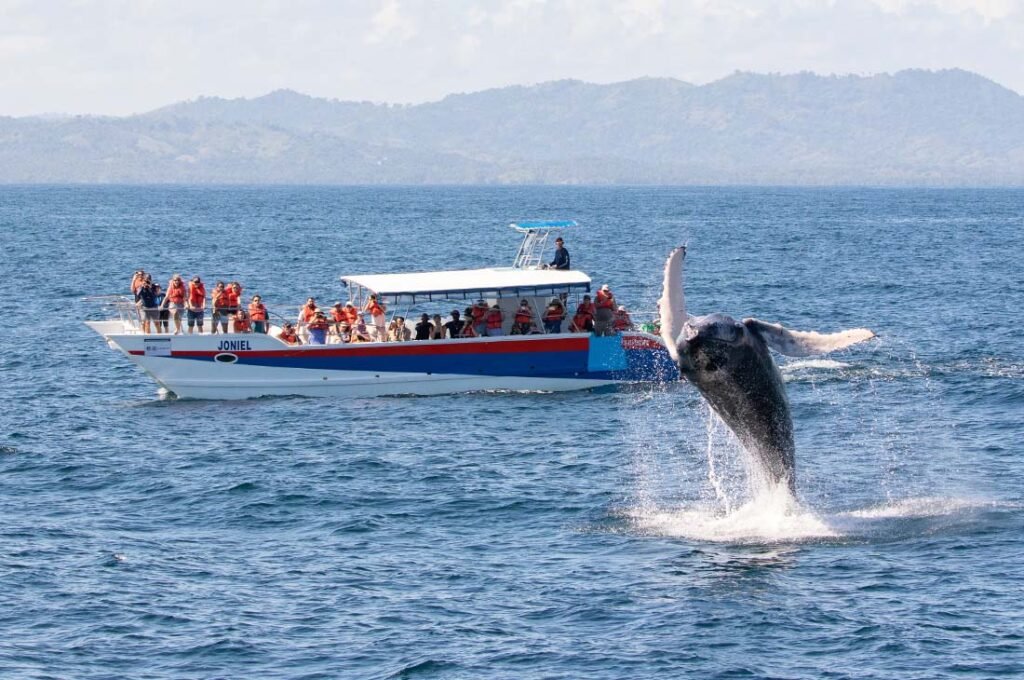
For travelers planning a trip around wildlife rather than weather alone, January through March is one of the most distinctive periods to visit the Dominican Republic. During these months, humpback whales return to the country’s northeastern waters, making Samaná Bay a major destination for whale-watching excursions.
The seasonal migration adds a different dimension to a visit to Samaná, a province on the northeastern coast known for beaches, waterfalls, rainforest and marine ecosystems. The country’s official tourism authority identifies January through March as the key period for humpback whale watching in the bay.
When Is Whale-Watching Season in the Dominican Republic?
The main whale-watching period runs from January to March. During the winter months, humpback whales migrate from colder areas of the North Atlantic toward warmer Caribbean waters, where they gather for reproduction and to give birth.
The timing makes Samaná particularly attractive to travelers who want to combine traditional beach tourism with a nature-focused experience. The official tourism website lists January through March as the best time to visit Samaná for whale watching, while the destination remains suitable for beach travel throughout the year.
For travelers planning specifically around the whales, the middle of the season can be an appealing period because February falls within the core reproductive phase. In February 2026, the Dominican Ministry of Environment conducted a scientific expedition in the Banco de Navidad area to study the distribution and density of humpback whales during the reproductive season.
Where to Watch Humpback Whales
Samaná Bay is the country’s best-known base for whale-watching excursions. The bay provides access to the marine areas where the whales gather, while the town of Santa Bárbara de Samaná serves as an important starting point for visitors exploring the region.
The whales are also associated with the Marine Mammal Sanctuary of the Silver Bank and Navidad Bank, a protected marine area that extends beyond the waters immediately visible from the Samaná coastline. The sanctuary plays an important role in protecting the whales during their seasonal presence in Dominican waters.
Whale watching is not limited exclusively to Samaná. The Ministry of Environment’s authorization process for the 2026 season covered operations in locations including Samaná, Las Galeras, Miches, Sabana de la Mar, Las Cañitas and Puerto Plata, reflecting the broader area associated with regulated whale-watching activity.
How Whale Watching Is Regulated
Because the activity takes place around a protected marine ecosystem, visitors should choose operators that comply with Dominican environmental regulations. For the 2026 season, the Ministry of Environment announced 46 environmental authorizations for humpback whale observation, including regular and rotating operations as well as departures from Puerto Plata.
The 2026 management agreement also established responsibilities covering boat inspections, captain training, scientific monitoring and technical reporting. The framework is intended to keep whale watching compatible with conservation and visitor safety rather than treating the animals simply as a tourist attraction.
For international visitors, that makes the choice of tour operator particularly relevant. A regulated excursion provides access to the seasonal spectacle while operating within the rules established for the sanctuary and the surrounding waters.
What Travelers Can Expect
Whale watching is inherently dependent on wildlife behavior and sea conditions, so no excursion can guarantee a particular sighting. The experience can include whales surfacing, breaching or displaying other behaviors as they move through the bay and surrounding marine areas.
The migration is also part of a much larger conservation story. The Ministry of Environment reported that 898,274 local and international visitors had participated in whale-related experiences in the area between 2010 and February 2026, illustrating how the annual migration has become an established part of the Dominican Republic’s ecotourism sector.
Planning a Samaná Trip Around the Whales
Visitors who want to combine whale watching with a broader Samaná itinerary can use the January-to-March window to explore other attractions in the province. Samaná also offers access to El Limón Waterfall, Cayo Levantado, Las Galeras and Los Haitises National Park, allowing travelers to build a nature-focused trip around the whale season.
The whale season therefore changes the equation for travelers deciding when to visit. Someone primarily interested in beaches has reasons to consider Samaná year-round, while a visitor hoping to see humpback whales should plan for the first three months of the year.
For travelers looking at the Dominican Republic more broadly, whale watching is one of several experiences that can influence the best time to visit. Understanding the seasonal calendar can help visitors match their travel dates with the activities they want to experience, particularly when wildlife encounters are a priority.