 26°C
26°C

Fuel Quality Concerns Rise After Vehicle Problems in Dominican Republic
Vehicle owners and mechanics in Santo Domingo and other parts of the Dominican Republic are calling for laboratory testing of gasoline and diesel after reporting an increase in fuel-related vehicle problems.


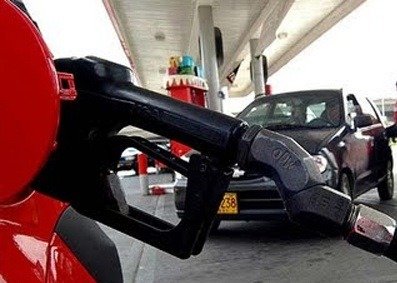
Mechanics and vehicle owners are raising concerns about the quality of fuel sold at service stations in the Dominican Republic after reporting an apparent increase in vehicles experiencing problems involving oxygen sensors, fuel injectors and engines.
The claims have not been confirmed by laboratory testing or an official finding of fuel adulteration. However, mechanics interviewed in Santo Domingo say vehicles of different makes and models have recently arrived at their workshops with fuel-related diagnostic codes and mechanical problems that they believe could be linked to the quality of the fuel being used.
Mechanics Call for Fuel Testing
One manager of a well-known mechanical workshop in Santo Domingo, who asked not to be identified, said vehicles from multiple manufacturers have been showing fuel-system trouble codes. The workshop has also seen the problem in recently imported vehicles, according to the mechanic.
The reported problems include oxygen sensor failures, injector issues and, in some cases, damage affecting engines. The workshop operators say the number of such cases has increased noticeably in recent days, although they have not provided laboratory evidence establishing that contaminated or adulterated fuel is the cause.
The owner of another local workshop said he had observed a similar pattern on previous occasions following substantial increases in fuel prices. That observation was presented as an experience from the workshop, rather than as evidence that current fuel prices are connected to the reported vehicle failures.
Authorities Asked to Investigate
The mechanics and vehicle owners are urging the National Institute for Consumer Rights Protection (Pro Consumidor), the Ministry of Industry, Commerce and MSMEs (MICM) and Dominican Petroleum Refinery (Refidomsa) to investigate the situation.
They are specifically calling for fuel samples to undergo laboratory analysis to determine whether gasoline or diesel being sold at service stations meets the required quality specifications.
The MICM is responsible for regulating the fuel market, while its regulatory framework provides for inspections and oversight of fuel stations, including controls intended to ensure compliance with fuel-quality requirements. Government regulations also assign a role to the Specialized Corps for the Control of Fuels and Merchandise Commerce (CECCOM) in preventing irregularities in the distribution and commercialization of fuels.
Pro Consumidor, the country’s consumer-protection agency, maintains a system for product alerts and market surveillance when analysis or other evidence indicates that a product may pose risks to consumers. Its current public information also shows that the institution continues to conduct joint enforcement operations with CECCOM and other authorities against adulterated and irregular products.
No Official Finding of Adulterated Fuel Reported
As of September 25, there was no public official finding identified in the available government information confirming that fuel currently being sold in Dominican service stations has been adulterated or that the reported vehicle failures are being caused by contaminated fuel.
That distinction is important because mechanical problems involving injectors, oxygen sensors or engines can have multiple causes. Laboratory testing of fuel samples, combined with technical inspections of affected vehicles, would be needed to establish whether there is a common fuel-related cause.
The concerns emerge as fuel prices have been closely watched in the Dominican Republic. The government has continued using subsidies to limit the impact of international energy prices on consumers, with the MICM announcing a new round of fuel-price measures in September. The government said on September 18 that it had allocated RD$1.9857 billion in fuel subsidies for that week as part of efforts to contain the impact of international energy-market pressures.
For drivers, a verified finding of fuel-quality problems could have implications beyond individual repair bills, particularly if affected products were distributed through multiple service stations. For now, however, the claims remain allegations from vehicle owners and mechanics pending technical and laboratory verification.
Testing Could Determine the Cause
The requested laboratory analysis would provide the clearest way to determine whether the reported mechanical problems are associated with the fuel itself. Any investigation would also need to establish where potentially non-compliant fuel was obtained and whether the issue is isolated to particular stations, batches or fuel products.
Until such testing is completed, the reported increase in vehicle failures should not be treated as proof that fuel is being adulterated. The immediate request from mechanics and vehicle owners is for the competent authorities to collect samples and establish whether the products being sold meet the country’s applicable quality standards.