 30°C
30°C

How the Dominican Republic Exchange Rate Works and Where to Find the Best Dollar Rates
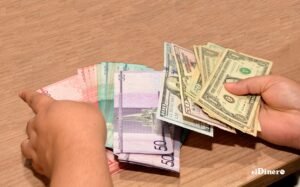
The Dominican Republic operates under a managed floating exchange rate system, meaning financial institutions set their own buying and selling prices while the country's central bank publishes a daily reference rate. Understanding how the market works can help residents, visitors, and investors secure better exchange rates and make informed financial decisions.


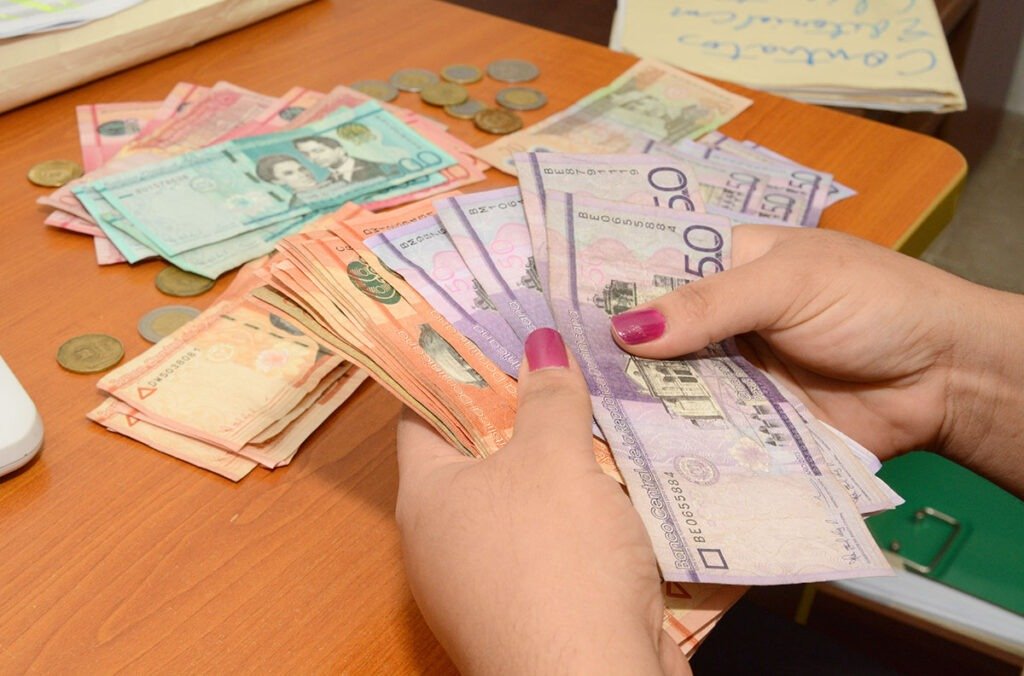
The Dominican Republic exchange rate is based on a managed floating system. Under this model, the Central Bank of the Dominican Republic (BCRD) publishes a daily reference exchange rate, but commercial banks, savings and loan associations, and authorized exchange houses are free to establish their own buying and selling rates according to market conditions.
As a result, the price of the U.S. dollar can vary from one institution to another. Major banks such as Banreservas, Banco Popular, BHD, Banco Santa Cruz, and other financial institutions compete by offering different exchange rates. The difference between the buying and selling price—known as the spread—represents part of their profit from foreign exchange operations.
Where to Buy U.S. Dollars at the Best Rate
Authorized exchange houses often provide more competitive exchange rates than commercial banks, particularly for small and medium-sized transactions. However, the most favorable rate changes daily, making it important to compare several institutions before exchanging money.
For larger transactions—typically above US$10,000—commercial banks may negotiate preferential rates through their foreign exchange desks. For everyday purchases and smaller amounts, exchange houses and savings and loan associations are frequently the more economical option.
What Influences the Dominican Peso Exchange Rate?
Several economic factors influence the value of the U.S. dollar against the Dominican peso.
Family remittances are one of the country’s largest sources of foreign currency. In 2025, the Dominican Republic received more than US$11.8 billion in remittances, providing a steady supply of dollars that helps support exchange rate stability.
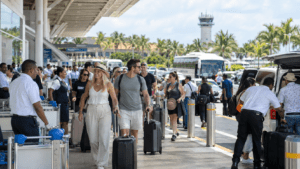
Tourism also plays a major role. More than 11 million annual visitors generate significant foreign currency inflows that enter the Dominican financial system.
Additional sources of foreign exchange include foreign direct investment, free trade zone exports, and the country’s mining sector, all of which contribute to the supply of dollars available in the market.
On the demand side, the country’s energy imports remain one of the primary drivers of dollar demand. Because the Dominican Republic imports all of the fuel it consumes, higher international oil prices generally increase the need for U.S. dollars and can place upward pressure on the exchange rate.
The BCRD’s monetary policy also influences market conditions. Through its policy interest rate and open market operations, the central bank affects financial system liquidity, which can indirectly influence exchange rate movements.
Reference Rate vs. Bank Exchange Rate
Many people confuse the exchange rate published by the Central Bank with the rate available at banks.
The BCRD’s published figure is a market reference rate, reflecting average market conditions rather than a price at which individuals can buy or sell foreign currency directly. The Central Bank does not provide retail foreign exchange services.
Consumers instead pay the selling rate established by their chosen bank or exchange house. This rate is typically higher than the official reference rate, with the difference often ranging between RD$1.00 and RD$3.00 per U.S. dollar, depending on the institution.
Exchanging Euros in the Dominican Republic
The euro is the second most actively traded foreign currency in the Dominican Republic, supported by commercial ties with Europe and a strong flow of European visitors.
Unlike U.S. dollars, euros are not available at every bank branch. The broadest availability is generally found at Banreservas, Banco Popular, BHD, and major authorized exchange houses in Santo Domingo and the country’s principal tourist destinations.
Tips for Getting a Better Exchange Rate
Comparing exchange rates before making a transaction can produce meaningful savings, particularly for larger amounts.
Travelers should also avoid exchanging money at airports and hotels whenever possible, as these locations frequently offer less favorable rates than banks and authorized exchange houses in city centers.
Individuals who regularly need U.S. dollars may benefit from opening a U.S. dollar-denominated bank account, allowing them to purchase foreign currency when market conditions are favorable and use those funds later as needed.