 23°C
23°C

Dominican Republic Oil Prices Add Pressure To Economy
Rising international crude prices are putting renewed pressure on the Dominican Republic, with higher fuel costs posing risks for transportation, electricity generation, consumer prices and public finances.


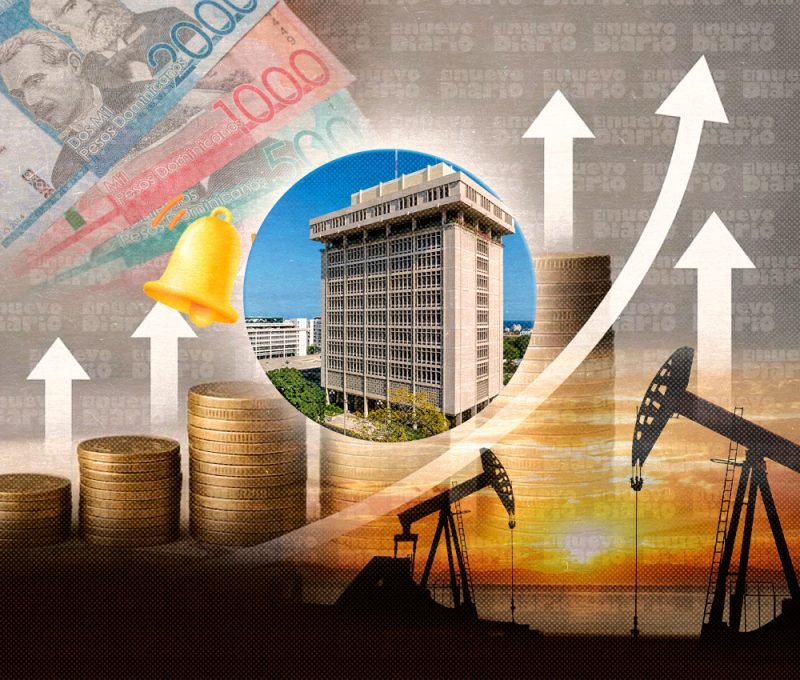
International oil prices are creating a new challenge for the Dominican Republic as Brent crude approaches $89 a barrel amid geopolitical tensions and uncertainty surrounding the Strait of Hormuz, a critical route for global energy shipments. For an economy that relies heavily on imported petroleum and refined fuels, prolonged price increases can quickly affect businesses, consumers and government finances.
The latest volatility comes as global oil markets respond to disruptions and security concerns in the Middle East. On Tuesday, August 11, Brent crude rose to $88.67 a barrel, reflecting renewed concern about supply disruptions and the future of shipping through the Strait of Hormuz.
For the Dominican Republic, the exposure is significant because the country imports virtually all of the petroleum and petroleum products it consumes. That means changes in international crude prices can eventually feed into domestic fuel prices and, through transportation and production costs, into a much wider range of economic activity.
Fuel Prices Remain The First Pressure Point
The most immediate effect is felt at gasoline and diesel stations. For the week of August 8 to 14, the Dominican government adjusted several fuel prices while allocating RD$931.79 million in subsidies to cushion consumers from the impact of international oil prices.
The subsidy mechanism is designed to prevent abrupt movements in global petroleum costs from being passed directly to motorists and businesses. By absorbing part of the increase, the government seeks to limit the immediate impact on transportation and other goods and services.
The fiscal effort has already been substantial. During the first week of August, the government allocated RD$1.3693 billion to keep fuel prices unchanged despite higher international quotations. By May, cumulative fuel subsidies for 2026 had reached RD$18.4582 billion.
Higher Oil Costs Can Spread Across The Economy
The economic impact of expensive oil extends well beyond the price paid at the pump. Higher gasoline and diesel costs can increase the expense of moving passengers and freight, while companies may face higher costs for production, distribution and logistics.
Those pressures are particularly relevant in the Dominican Republic because road transportation is closely linked to economic activity across agriculture, manufacturing, retail and services. When transportation becomes more expensive, businesses can face higher operating costs and consumers may ultimately pay more for goods and services.
Fuel prices can also influence inflation when higher transportation and distribution expenses are passed through to final prices. The effect is not necessarily immediate or uniform, but a prolonged period of elevated oil prices would make it more difficult to contain cost pressures across the economy.
A Growing Fiscal Challenge For The Government
For the government, subsidizing fuels provides a way to protect households and productive sectors from sudden international price increases, but it also carries a direct fiscal cost. Every additional peso committed to fuel subsidies competes with other public spending priorities.
The challenge becomes more pronounced if international crude prices remain elevated for an extended period. A temporary increase can be absorbed more easily, while a sustained period of expensive oil could require the government to decide how much of the additional cost should be transferred to consumers and how much should continue to be covered by public funds.
That balance is especially important for an economy exposed to imported energy. Limiting the short-term impact on households can provide protection, but maintaining large subsidies indefinitely can increase pressure on the public finances.
Global Oil Markets Will Remain The Key Variable
The outlook for the Dominican economy will depend partly on how international oil markets evolve in the coming weeks and months. Geopolitical conflicts, global production, demand, decisions by major oil-producing countries and the security of international shipping routes can all influence the price of crude.
The Strait of Hormuz is particularly important because disruptions there can affect the movement of a significant share of the world’s oil and liquefied natural gas. Continued uncertainty over navigation through the waterway therefore creates an additional risk for countries such as the Dominican Republic that depend on imported energy.
A sustained decline in crude prices would ease pressure on fuel consumers, businesses and government finances. Conversely, a prolonged period of high prices could increase transportation costs, complicate efforts to contain inflation and require additional public resources to moderate domestic fuel prices.
Over the longer term, the exposure highlights the importance of reducing the Dominican Republic’s vulnerability to imported fossil fuels. Greater energy efficiency, a more diversified generation mix and increased use of alternative energy sources could help limit the impact of future international oil shocks on households, businesses and public finances.