 27°C
27°C

WTI Oil Drops More Than 3% as Strait of Hormuz Deal Appears Near
U.S. benchmark crude oil prices fell sharply Tuesday after Washington said negotiations with Iran could soon reopen the Strait of Hormuz, easing concerns over disruptions to one of the world's most important energy shipping routes.


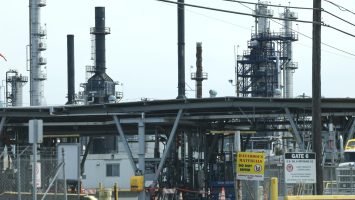
West Texas Intermediate (WTI), the U.S. benchmark for crude oil, opened Tuesday down 3.37%, trading at $77.63 per barrel as markets reacted to signs that the United States and Iran could soon reach an agreement to restore commercial shipping through the Strait of Hormuz.
By 9:00 a.m. local time in New York, September WTI futures had fallen $2.71 from the previous session’s close. The decline reflected investor expectations that a diplomatic breakthrough could reduce supply risks in the Middle East, a region that plays a central role in global energy markets.
Talks Focus on Reopening a Critical Shipping Route
U.S. Treasury Secretary Scott Bessent said Washington and Tehran could finalize an agreement as early as Tuesday or Wednesday to reopen the Strait of Hormuz to commercial vessel traffic.
Speaking with CNBC, Bessent said ongoing negotiations are aimed at guaranteeing the safe passage of ships through the strategic waterway, which serves as one of the world’s most important corridors for crude oil exports.
Trump Says Military Action Was Put on Hold
President Donald Trump also indicated that diplomacy had taken priority over military action, saying he canceled a major planned strike against Iran over the weekend to allow negotiations to continue.
In a post on Truth Social, Trump said Iran and other countries in the Middle East had requested that the United States suspend military operations after negotiators agreed on the terms of a proposed deal.
According to the president, the agreement would include the immediate reopening of the Strait of Hormuz to commercial traffic while also addressing concerns over Iran’s nuclear program.
Market Watches Middle East Developments
The Strait of Hormuz remains one of the world’s most strategically important maritime chokepoints, handling a significant share of global crude oil shipments. Any disruption to traffic through the passage can quickly influence international energy prices, while signs of easing geopolitical tensions often put downward pressure on oil markets, as seen in Tuesday’s trading session.