 27°C

Haiti Outpaces U.S. as a Market for Dominican-Made Goods, Customs Data Show
The United States remained the Dominican Republic’s largest export destination in January–September 2026, with shipments totaling US$5.64 billion. However, data from the General Directorate of Customs (DGA) show that Haiti purchased a substantially larger value of goods classified as nationally produced, highlighting the importance of the neighboring market for domestic manufacturers outside the free-zone regime.


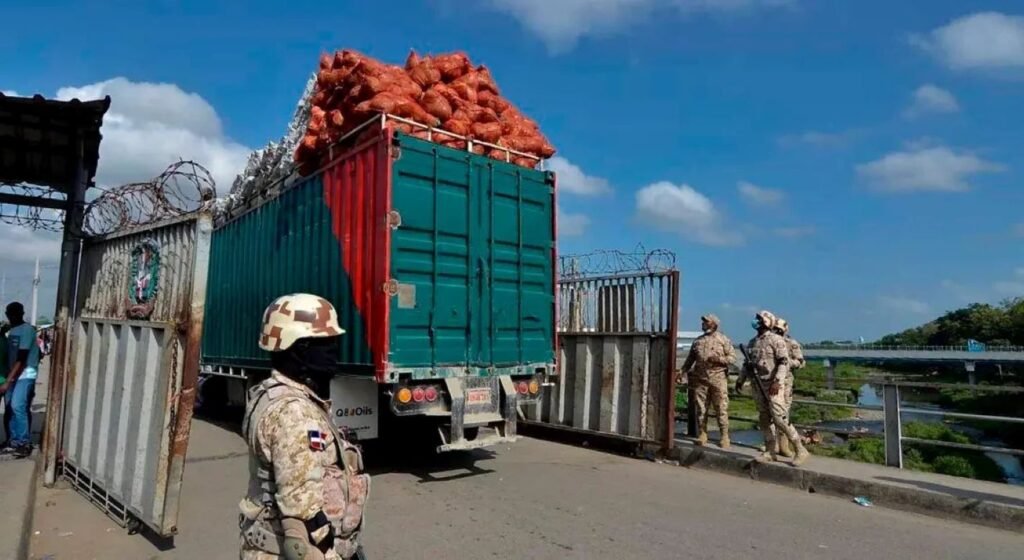
The United States continued to rank as the Dominican Republic’s leading export destination during the first nine months of 2026, with exports reaching US$5.64 billion, up 4.7% from the same period in 2025. Yet the composition of those shipments reveals a different picture for businesses producing goods outside the country’s free trade zones.
According to figures from the General Directorate of Customs (DGA), slightly more than 88% of Dominican exports to the United States came from free trade zones. National products accounted for less than 12%, with the source report placing their value at approximately US$625 million.
Haiti, the Dominican Republic’s second-largest export market, showed a different pattern. Exports to the neighboring country totaled US$1.04 billion from January through September, a 19.5% increase year over year. Approximately 78% consisted of national products, valued at US$812.4 million.
Haiti Buys More Dominican Goods Outside Free Trade Zones
The contrast between the two markets is significant for domestic producers. The reported value of national products exported to Haiti was about 30% higher than the amount reported for shipments of national products to the United States.
Less than 22% of exports to Haiti came from free trade zones and other special regimes, according to the DGA figures cited in the source report. This suggests that Haiti plays a particularly important role for Dominican businesses whose production and exports fall outside the free-zone system.
While the United States absorbs a much larger overall volume of Dominican exports, the breakdown by product origin shows that total export value and demand for domestically produced goods are not the same measure.
Proximity Gives Haiti a Strategic Trade Advantage
The shared land border gives Dominican exporters direct access to the Haitian market, potentially reducing transportation distances and related logistics costs compared with shipping goods to the United States.
The source report also argues that Haitian buyers apply less demanding quality-control requirements to some imported products. However, the figures presented do not independently establish differences in regulatory requirements, exporters’ costs or profitability between the two markets.
For domestic manufacturers, the combination of proximity and the reported volume of purchases makes Haiti an important destination to consider. The data indicate a strong market for Dominican-made goods, even though the United States remains the country’s leading export partner overall.
Export Growth Highlights Two Different Markets
The reported figures show that exports to both destinations increased during January–September 2026, but at different rates. Shipments to the United States rose 4.7% compared with the same period in 2025, while exports to Haiti grew 19.5%.
For the Dominican Republic, the distinction matters when assessing the performance of domestic producers separately from companies operating under free-zone arrangements. Looking at total exports alone can obscure the destinations that account for the largest purchases of nationally produced goods.
As trade data continue to shape the outlook for local industry, Haiti’s role as a nearby market remains an important part of the Dominican Republic’s export landscape. Readers following dominican republic news can stay informed about trade, manufacturing and economic developments across the country.