 22°C
22°C

ITBIS In The Dominican Republic: How Businesses Can Manage Tax Credits and Monthly Filings
For entrepreneurs and small businesses in the Dominican Republic, ITBIS is more than a consumption tax: properly managing tax-credit invoices, monthly filings and cash flow is essential to avoiding problems with the tax authorities.


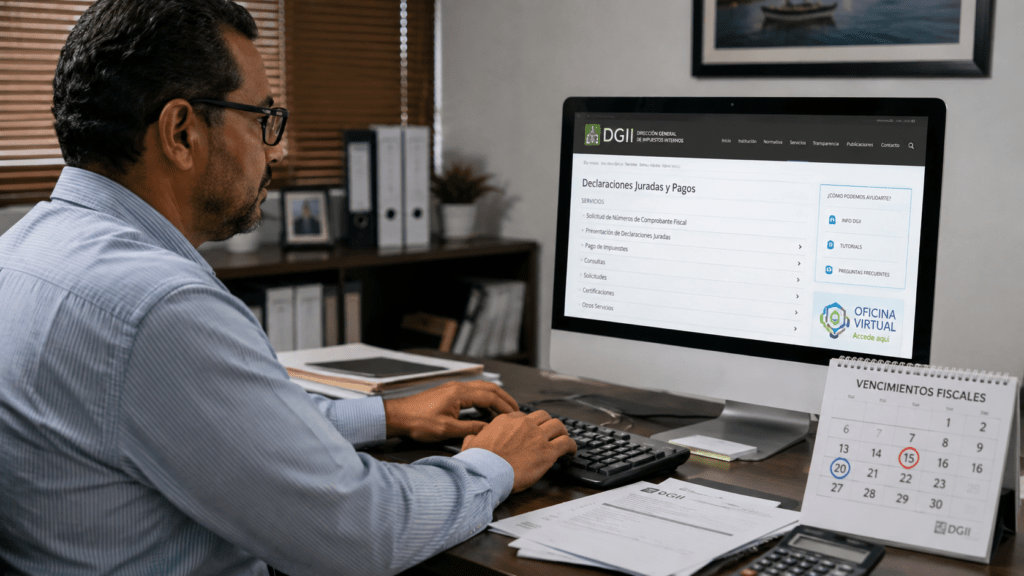
The Tax on the Transfer of Industrialized Goods and Services (ITBIS) is a consumption tax that affects purchases regardless of the buyer’s income. For registered businesses and entrepreneurs, however, its treatment is different because eligible ITBIS paid on business expenses can be used as a tax credit when the required documentation is available.
The key requirement is obtaining invoices with a fiscal credit receipt when making eligible business purchases. Simply requesting a fiscal invoice does not automatically make every expense deductible. The General Directorate of Internal Taxes (DGII) recognizes only expenses that are directly connected to the company’s economic activity.
Not Every Purchase Qualifies For An ITBIS Credit
Business owners should distinguish between expenses incurred to operate the company and personal or household consumption. ITBIS paid on purchases that are unrelated to the business cannot simply be credited because the buyer requested an invoice for fiscal credit.
Keeping business and personal spending separate is therefore an important part of managing the tax. Entrepreneurs should maintain documentation that clearly connects eligible purchases to their economic activity and avoid treating personal consumption as a business expense.
Monthly Reporting Is Essential
Another key aspect of ITBIS management is meeting the monthly reporting deadlines. Businesses must submit forms 606 and 607, which report purchases and sales, respectively, within the deadlines established by the tax administration. The material indicates that these reports should be submitted before the 15th day of each month.
After completing those reports, small and medium-sized businesses must file the IT-1 return and pay the corresponding balance based on the purchases and sales reported for the month. The stated deadline for this step is before the 20th day of each month.
Keep ITBIS Separate From Business Cash
Cash-flow management is another potential challenge. Entrepreneurs can avoid treating collected ITBIS as ordinary business income by keeping the tax amount separate from revenue generated by selling products or services.
This distinction becomes particularly important when the monthly tax payment is due. If money collected as ITBIS has already been used to replenish inventory or cover regular operating expenses, the business may face a cash shortage when it has to settle its tax liability.
For that reason, sound accounting practices should maintain a separate ITBIS account. Keeping the tax money identified and available helps prevent the business from mistakenly using it for inventory purchases, operating costs or other expenses.
For Dominican entrepreneurs, effective ITBIS management ultimately depends on three basic practices: documenting eligible purchases correctly, submitting the required monthly reports on time and keeping collected tax funds separate from operating cash. These measures can help businesses manage their tax obligations without creating avoidable pressure on cash flow.