 22°C
22°C

Dengue Cases Reach 213 in Dominican Republic in 2026
The Dominican Republic has recorded 213 confirmed dengue cases through Epidemiological Week 29 of 2026, 40 more than during the same period last year, while health authorities say the epidemiological situation remains under control.


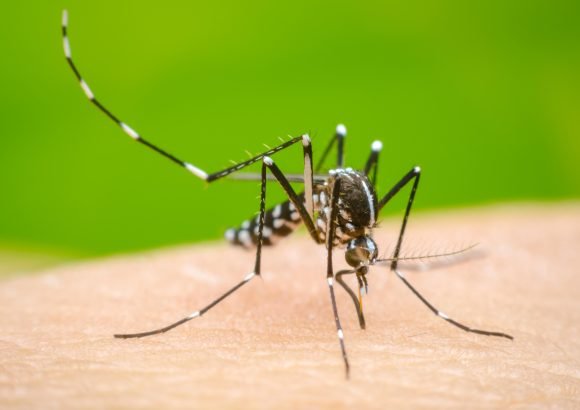
The Dominican Republic has recorded 213 confirmed dengue cases so far in 2026, according to the report for Epidemiological Week 29. The figure is 40 cases higher than the 173 confirmed during the same period of 2025.
Despite the year-over-year increase, the Ministry of Public Health said the epidemiological situation remains under control and does not currently warrant an epidemic alert. Health authorities continue to monitor dengue as part of the country’s disease surveillance system.
Health Authorities Urge Medical Attention
Dengue is a mosquito-borne viral disease that can cause a range of symptoms, with fever being one of its most common manifestations. Typical symptoms include sudden high fever, severe headache, pain behind the eyes, muscle and joint pain, extreme fatigue and skin rashes.
Public health authorities are urging people who develop symptoms compatible with dengue to avoid self-medication and seek medical attention. Early clinical assessment is important because some cases can develop warning signs requiring closer medical monitoring.
The Pan American Health Organization recommends continued surveillance, early diagnosis and recognition of warning signs as part of efforts to prevent complications from dengue.
Confirmed Cases Higher Than in 2025
The 213 confirmed cases reported through Week 29 represent a 23.1% increase compared with the 173 recorded through the same period in 2025. The increase has not, however, led Dominican health authorities to classify the current situation as an epidemic.
The country’s health system continues to track dengue through weekly epidemiological reports, allowing authorities to monitor changes in transmission and respond if the situation evolves.
For patients and families, health officials’ recommendation remains to seek professional evaluation rather than treating suspected dengue without medical guidance, particularly when symptoms become intense or persistent.