 24°C
24°C

Dominican Republic Plans $600 Million Investment in Power Distribution Networks
The Dominican Republic plans to invest nearly $600 million in electricity distribution infrastructure between 2027 and 2028, targeting more than 1,500 kilometers of power lines and the construction or modernization of 18 substations. The program aims to improve electricity delivery to more than 300,000 customers as the country's energy demand continues to grow.


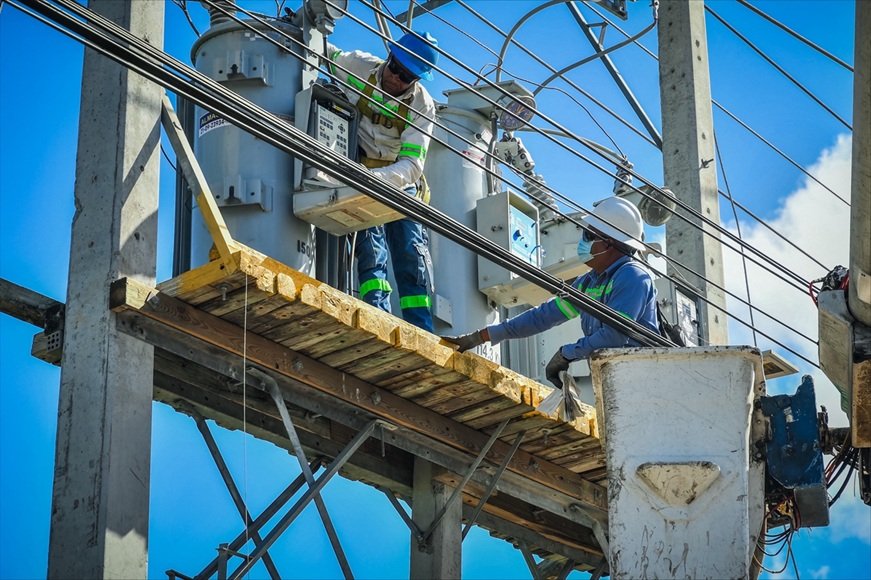
The Dominican Republic is preparing a major investment in its electricity distribution infrastructure, with nearly $600 million earmarked for network rehabilitation and substation improvements over the 2027–2028 period. The proposed program is intended to strengthen the country’s power delivery system as demand continues to rise.
Power Grid Modernization to Support Rising Demand
Energy and Mines Minister Joel Santos presented the investment outlook during the 11th Energy Week in Santo Domingo. He emphasized that expanding electricity generation must be accompanied by improvements to the infrastructure responsible for delivering power to homes and businesses.
The proposed works will cover more than 1,500 kilometers of distribution networks and include the construction or modernization of 18 substations. According to the announcement, the program is expected to benefit more than 300,000 electricity customers through the rehabilitation and reinforcement of existing infrastructure.
Substations help manage electricity flows and support the distribution network as power moves toward end users. Upgrading these facilities, along with lines and transformers, can help address capacity constraints and improve the system’s ability to accommodate growing consumption.
The plan reflects a broader challenge for the Dominican energy sector: ensuring that additional generating capacity translates into a more dependable supply for consumers. New power plants alone cannot resolve distribution constraints if local networks and transformers lack the capacity to deliver electricity efficiently.
Investment Must Go Beyond Electricity Subsidies
Santos argued that financial support for the country’s electricity distribution companies should include capital investment in infrastructure, rather than being concentrated on subsidies and operating expenses.
The distinction is important because infrastructure spending and electricity subsidies serve different purposes. Network rehabilitation and equipment upgrades can strengthen the system’s physical capacity, while subsidies help address the financial pressures associated with electricity service.
The Dominican Republic’s three main electricity distribution companies—Edenorte, Edesur and EDE Este—serve different regions of the country. Modernizing their networks is an important part of improving electricity delivery for households and businesses.
A detailed breakdown of the proposed investment by project, location and distribution company was not included in the announcement. The final allocation of resources and implementation schedule will determine where the improvements take place and how their benefits are distributed.
Electricity Losses and Commercial Management Remain Challenges
Infrastructure upgrades are only one part of the proposed strategy. Santos also highlighted the need to improve the commercial management of distribution companies and combat electricity fraud.
Electricity losses can result from technical problems, including inefficiencies in lines and transformers, as well as nontechnical factors such as unauthorized connections and consumption that is not properly measured, billed or collected.
Reducing these losses is important to the financial sustainability of distribution companies. Better revenue collection and stronger controls can help ensure that more of the electricity entering the distribution system is accounted for and paid for.
The challenge is therefore twofold: modernize the physical infrastructure while improving the management of the companies responsible for delivering electricity to customers.
What the Investment Could Mean for Businesses and Households
If implemented as planned, the program could strengthen distribution capacity and improve electricity service for the more than 300,000 users identified as beneficiaries.
For businesses, more reliable electricity can reduce operational disruptions and support more predictable day-to-day activity. For households, stronger networks and upgraded equipment could contribute to a more consistent supply. The actual benefits, however, will depend on where the projects are carried out and how effectively they are executed.
The investment is also part of a wider effort to ensure that the country’s expanding generation capacity is matched by adequate infrastructure throughout the electricity system.
The proposed spending covers 2027 and 2028, meaning the program remains a forward-looking investment plan. Its impact will depend on financing, project execution, maintenance and progress in reducing losses across the distribution network.
For the Dominican Republic, the central test will be whether these investments translate into measurable improvements in service quality and a more financially sustainable electricity sector.