 22°C
22°C

Poor Diet Linked to Rising Diabetes Among Dominican Children
Endocrinology specialists in Santiago are warning that unhealthy eating habits, excessive sugar and highly processed foods are contributing to rising diabetes and obesity among children and adolescents in the Dominican Republic.


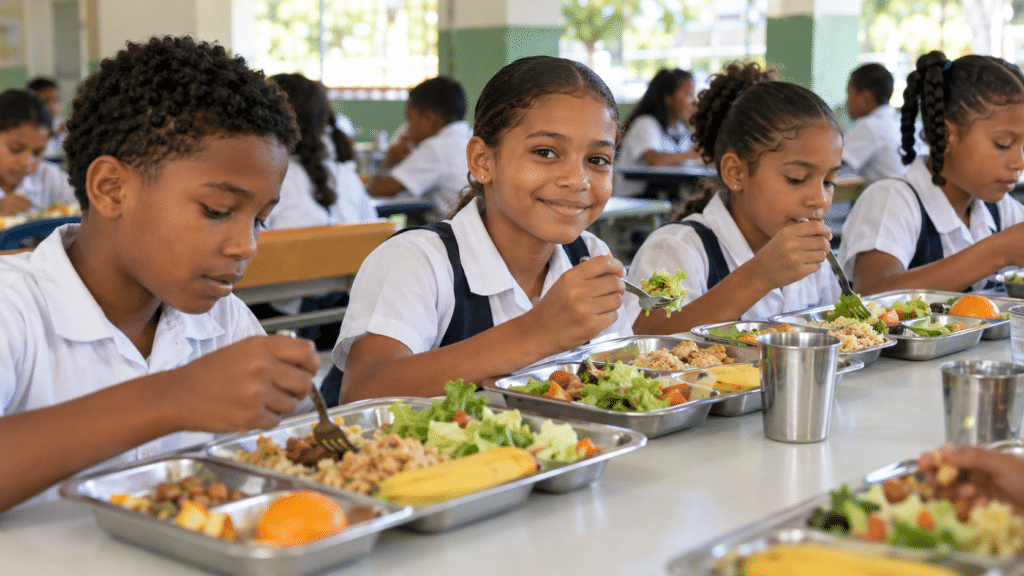
Unhealthy eating habits are becoming a major concern in the Dominican Republic as specialists warn of a growing number of diabetes and obesity cases among children and adolescents. According to endocrinologist Inoelva Espinal, poor nutrition education at home is contributing to children developing chronic health conditions at increasingly young ages.
Espinal, vice president of the Dominican Society of Endocrinology and Nutrition’s northern branch, said that many Dominican families lack sufficient guidance about which foods children should eat and which should be limited. She emphasized that parents have a central role in establishing healthier eating habits from childhood.
“Dominicans have poor nutrition education, and this is leading to more and more children becoming sick,” Espinal said, stressing the need for greater awareness about children’s diets and the nutritional choices made at home.
Diabetes Cases Are Increasing
The concern comes as Dominican health services continue to register a substantial number of diabetes cases. Data from the National Health Service (SNS) show that 14,467 cases of diabetes mellitus were recorded in outpatient consultations during 2025, representing 8.79% of all outpatient visits.
Health facilities also recorded 13,567 diabetes cases through emergency departments and 1,096 hospitalizations during the same period, according to the SNS data cited in the report.
Among children and adolescents in Santiago and the wider Cibao region, specialists say diagnoses of both Type 1 and Type 2 diabetes continue to increase. At the Dr. Arturo Grullón Regional University Children’s Hospital in Santiago, approximately 100 patients between the ages of 4 and 17 are seen in a typical month, according to the information provided by specialists.
Specialists Warn About Sugar and Processed Foods
Espinal urged parents to provide children with healthier meals and reduce their consumption of excessive sugar, fats and highly processed foods. She warned that unhealthy dietary patterns can contribute to childhood obesity and increase the risk of chronic disease.
The concern extends beyond what children eat at home. Pediatric endocrinologist Dennys Guillén, a member of the Diabetes Department at the Dr. Arturo Grullón hospital, has also raised questions about the nutritional composition of some foods provided through school meal programs.
Guillén specifically pointed to the sugar and carbohydrate content of some milk products included in school breakfasts, arguing that the nutritional needs of Dominican children should be considered when evaluating the meals provided through the education system.
Santiago Schools Have Tightened Cafeteria Rules
Schools in Santiago have taken measures to limit students’ access to products considered unsuitable under existing regulations. Pedro Pablo Marte, director of Regional Education District 08 in Santiago, said schools and education districts regularly monitor students’ health conditions through their health departments.
According to Marte, sugary drinks have been removed from school cafeterias in an effort to reduce children’s consumption of heavily sweetened products. The sale of food and beverages in schools is regulated through guidelines overseen by the National Institute for Student Welfare (INABIE).
Marte also said that several large schools in Santiago operating extended-day programs have eliminated cafeterias that failed to comply with the rules governing which products can be sold to students.
Parents Play a Key Role in Prevention
For Espinal, prevention begins before children develop obesity or diabetes. She urged parents to make healthier food choices for their children rather than waiting until a medical condition appears.
The issue highlights the importance of nutrition education both at home and in schools. Children’s eating patterns are influenced by the foods available to them throughout the day, making family choices, school meals and cafeteria offerings part of the wider public health discussion.
The rising number of young patients being treated for diabetes in Santiago and the Cibao region has placed additional attention on childhood nutrition. Specialists say that improving eating habits and reducing excessive consumption of sugar and highly processed foods can form part of a broader effort to address obesity and diabetes among Dominican children.
For more coverage of health, society and other developments affecting daily life in the Dominican Republic, Dominican Republic news from DominicanScope provides additional reporting for international readers.