 22°C
22°C
Dominican Families Welcome Expanded Access to Spinal Muscular Atrophy Treatment
Families of children with spinal muscular atrophy in the Dominican Republic are welcoming efforts by the Ministry of Public Health to improve access to treatment, after months of work aimed at securing the availability and continuity of medicines for patients with the rare condition.


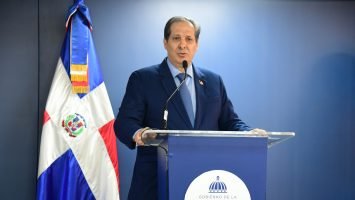
Families of children living with spinal muscular atrophy (SMA) in the Dominican Republic have welcomed efforts by the Ministry of Public Health to improve access to medicines for patients diagnosed with the rare neuromuscular disease.
The Foundation for the Care, Union and Respect of Patients with Spinal Muscular Atrophy, known as Cúrame RD, expressed its appreciation for the work carried out by Health Minister Víctor Atallah to facilitate access to treatment for affected children.
The development comes as the Dominican health system works to establish mechanisms that can provide children with SMA with continued access to therapy through the public healthcare network. Recent reports indicate that the Ministry of Public Health has been working with families and other institutions to address treatment availability through the High-Cost Medicines Program.
Access to Treatment Remains Central to Families
For families dealing with SMA, continuity of treatment is particularly important because the condition affects motor neurons and can progressively impair muscle strength and movement. Access to appropriate therapy and specialized medical care can therefore become a significant concern for parents and caregivers.
Cúrame RD’s recognition of the government’s efforts reflects the importance families place on maintaining access to medicines once treatment has been initiated. The foundation has advocated for children affected by the condition and for measures that can improve their access to healthcare.
The Ministry’s recent work has included discussions with parents of children with SMA. During a meeting with families, Atallah reported that technical, administrative and interinstitutional efforts had resulted in a mechanism intended to ensure the availability of medication through the High-Cost Medicines Program.
Public Health System Expands Support
The High-Cost Medicines Program is designed to provide access to therapies that can be financially difficult for patients and their families to obtain independently. For children with rare diseases such as SMA, inclusion in a public coverage mechanism can significantly affect the ability of families to maintain treatment.
The Dominican Republic has also been strengthening broader public-health programs aimed at improving access to medicines and specialized care. The Pan American Health Organization has highlighted the country’s efforts to expand access to health interventions and strengthen the public healthcare system, including cooperation with the Ministry of Public Health.
For families affected by SMA, however, the immediate priority remains ensuring that the treatment mechanism translates into continuous access for eligible children. The Ministry has indicated that work is continuing to support patients and their families as the system is implemented.
A Continuing Challenge for Families
Spinal muscular atrophy is a rare genetic disorder that can have serious effects on children, making early diagnosis, specialist care and access to appropriate treatment important components of patient management. The condition can vary considerably in severity, meaning that treatment decisions must be made according to each patient’s clinical circumstances.
The latest developments in the Dominican Republic reflect a broader challenge faced by health systems: ensuring that children with rare and complex conditions can obtain therapies consistently rather than relying solely on their families’ ability to pay for them.
For Cúrame RD and the families it represents, the government’s efforts to secure access to treatment mark an important step, while continued implementation will determine how effectively children with SMA can receive the medicines and medical support they need through the country’s public health system.