 29°C
29°C

Dominican Republic Enacts New Criminal Code After Years of Legislative Debate
President Luis Abinader has signed the Dominican Republic's new Criminal Code into law, concluding a legislative process that spanned more than two decades and prompting continued debate over several of its provisions.


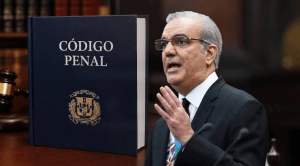
President Luis Abinader has enacted the Dominican Republic’s new Criminal Code, replacing legislation that supporters argued no longer reflected the country’s current legal and social realities. The move follows more than two decades of discussions, revisions, and failed attempts to modernize the criminal framework.
The legislation had previously been delayed under former President Danilo Medina, who returned earlier versions of the bill to Congress. One of the most contentious issues during those debates involved proposals to allow abortion under three specific circumstances, commonly referred to in the country as the “three exceptions.” Those provisions are not included in the newly enacted code.
Supporters Cite Long-Overdue Legal Reform
Backers of the new code argue that the previous legislation had become outdated and no longer addressed the legal challenges faced by the Dominican Republic. They maintain that the enactment provides a more modern framework for criminal justice and strengthens the country’s legal system after years of legislative gridlock.
The decision by President Abinader to sign the bill into law came despite criticism from sectors of civil society and advocacy groups that had urged him to withhold promulgation. Those critics have raised concerns about several provisions contained in the legislation.
Legal Challenges May Continue
Although the law has now been enacted, opponents retain the option of challenging specific provisions through the Dominican Republic’s institutional legal channels, including the Constitutional Court, which has the authority to review the constitutionality of legislation.
Among the issues that have generated public discussion are provisions that some critics believe could affect freedom of expression. Supporters of the reform, however, argue that the law seeks to balance freedom of speech with protections for individuals’ reputations by maintaining legal accountability for false or unsubstantiated allegations.
Debate Expected to Continue
The enactment of the new Criminal Code marks the end of its legislative journey but is unlikely to end public debate. While supporters describe the reform as a necessary modernization of Dominican criminal law, opponents are expected to continue pursuing legal and constitutional avenues to challenge aspects of the legislation.