 22°C
22°C

San Felipe Andrés I Power Plant Reaches 92% Completion
Construction of the San Felipe Andrés I power plant in Punta Caucedo, Boca Chica, has reached 92%, with the natural gas combined-cycle facility expected to add 467 megawatts to the Dominican Republic's interconnected electricity system when it enters service in May 2027.


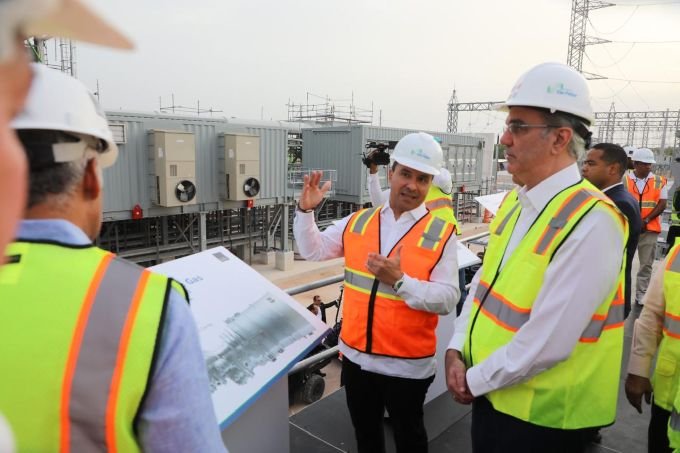
President Luis Abinader inspected construction of the San Felipe Andrés I power plant in Punta Caucedo, Boca Chica, as the project reached 92% completion and moved closer to its planned May 2027 start of operations.
The natural gas-fired combined-cycle facility is designed to add 467 megawatts (MW) of firm generation capacity to the Dominican Republic’s National Interconnected Electricity System (SENI). The project is intended to strengthen the country’s generation capacity as electricity demand continues to grow and provide additional reserve capacity to the grid.
A 467-MW Addition to the National Grid
San Felipe Andrés I has been designed as a high-efficiency power plant with a net efficiency of 64% in combined-cycle operation and a heat rate of 6,307 BTU/kWh. Once operational, its 467 MW of capacity is expected to represent approximately 13% of the SENI’s annual electricity demand.
Of the plant’s total capacity, 400 MW will be contracted for 15 years following International Public Tender No. EDES-LPI-NG-04-2023, conducted by the Dominican Republic’s electricity distribution companies under the coordination of the Unified Council of Electricity Distribution Companies (CUED).
The facility includes gas and steam turbines, a heat recovery steam generator, cooling towers, a water treatment plant, transformers, a substation and a control room, along with the infrastructure required to connect the plant to the national electricity system.
Government Sees Greater Energy Reserve
During the inspection, Abinader described the facility as one of the country’s most efficient generation projects and highlighted the pace of construction. The president said the government has focused on increasing generation capacity to provide greater certainty in the electricity sector.
Héctor José Rizek, a partner at Nexgen Capital and Generadora San Felipe, the companies developing the project, said approximately 2,500 MW of new thermoelectric generation capacity will have been installed during Abinader’s eight-year administration.
Rizek said the additional capacity would effectively double the generation capacity that the Dominican electricity system had through 2020. He also estimated that the new generation could give the system an energy reserve of between 15% and 20%.
According to Rizek, greater reserve capacity could support new investment, reduce electricity-related costs for productive activities and facilitate the country’s transition toward a different energy mix.
Project Adds Capacity as Electricity Demand Grows
The project is being developed in Punta Caucedo, an area of Boca Chica in Santo Domingo province that is also home to major transportation and logistics infrastructure. Its location provides access to the infrastructure needed to connect the new generation facility to the national grid.
The inspection included Energy and Mines Minister Joel Santos and representatives of the country’s electricity institutions, including Alfonso Rodríguez, general administrator of the Dominican Electric Transmission Company (ETED); Celso Marranzini, chairman of CUED; and Electricity Superintendent Andrés Astacio.
The officials reviewed key components of the facility as construction progresses toward its scheduled May 2027 commissioning. Javier Tejada, another partner in the project, said the administration has promoted a renewal of the country’s generation base, while project representatives highlighted government support during the bidding and award processes.
Once completed, San Felipe Andrés I will add a substantial block of dispatchable generation to the SENI. Its planned 467 MW capacity, combined-cycle technology and long-term contracted output are intended to provide additional room for the Dominican Republic’s electricity system as demand expands.