 26°C
26°C
PUCMM Study Links Higher AI Dependency to Academic Procrastination
Researchers at the Pontifical Catholic University Madre y Maestra found that Dominican university students with higher levels of dependence on artificial intelligence tools are more likely to procrastinate academically, while critical thinking skills showed no significant differences across dependency levels.


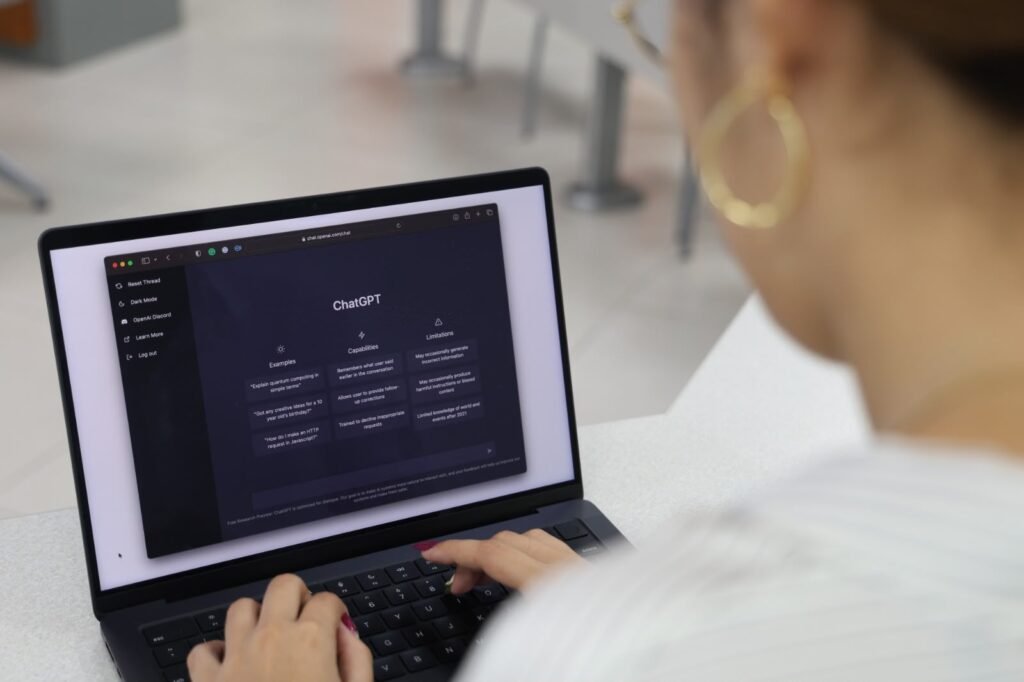
A new study by the Pontifical Catholic University Madre y Maestra (PUCMM) suggests that greater dependence on artificial intelligence (AI) tools among Dominican university students is associated with higher levels of academic procrastination, although it does not appear to have a direct impact on critical thinking.
The research, titled “Latent Profiles of Artificial Intelligence Dependency in University Students: Relationship With Academic Procrastination and Critical Thinking,” explored the psychological dependence on AI tools and how different usage patterns relate to students’ academic behavior. The study was led by researchers Jairo Espinal-Martínez and Leuny Ortiz-González, with contributions from PUCMM graduates Jennifer Hernández, Karla de los Santos and Ana María Quiñones.
The researchers analyzed data from 806 Dominican university students with an average age of 28. Using latent profile analysis, they identified three distinct levels of AI dependency: low dependency (55.4%), moderate dependency (32.5%), and high dependency (12.1%).
Three Distinct AI Dependency Profiles
Students in the low-dependency group recorded consistently low scores across all measured indicators. Those in the moderate-dependency category were primarily characterized by concerns that AI could replace their personal skills. Meanwhile, participants in the high-dependency group showed a stronger need for constant validation from AI systems and a greater perception that these technologies could substitute their own abilities.
Presenting the findings during the 21st International Scientific Research Congress, organized by the Ministry of Higher Education, Science and Technology (MESCyT) and hosted by PUCMM, researcher Jairo Espinal explained that the study adopted a person-centered approach rather than assuming AI affects all students in the same way.
“The study starts from the premise that artificial intelligence does not affect every student uniformly,” Espinal said. “We used a person-centered approach based on latent profile analysis, allowing us to identify groups of students with different behavioral patterns and specific support needs.”
Higher AI Dependency Associated With More Procrastination
One of the study’s most significant findings was a clear relationship between AI dependency and academic procrastination. Students with lower dependency levels reported the least procrastination, while those classified in the high-dependency profile consistently displayed the highest levels.
According to the researchers, AI may enable what they describe as “strategic procrastination,” where students delay beginning assignments because they anticipate relying on AI tools to complete part of the cognitive work shortly before deadlines.
Critical Thinking Shows No Significant Differences
Despite the differences observed in procrastination, the study found no statistically significant differences in critical thinking among the three dependency profiles.
The researchers caution that this does not necessarily mean AI has no influence on critical thinking. Instead, they suggest that any relationship could be shaped indirectly by factors such as procrastination, cognitive fatigue or the tendency to outsource mental processes to technological tools.
Recommendations for Universities
The study concludes that AI dependency is not evenly distributed among university students and that different groups require tailored support strategies. While most participants exhibited relatively low dependency, a smaller but meaningful segment showed characteristics associated with greater academic risk.
The researchers argue that these findings could help universities develop policies that promote the responsible use of artificial intelligence. Rather than focusing solely on restricting or allowing AI, institutions could strengthen students’ self-regulation skills, encourage critical AI literacy and expand academic support programs.
The research was based on three assessment instruments: the DAI Scale to measure AI dependency, the Academic Procrastination Scale, and a Critical Thinking Scale. The analysis also included psychometric validation of the dependency scale, latent profile identification, group comparisons and a Receiver Operating Characteristic (ROC) curve to establish an empirical threshold for high AI dependency.