 22°C
22°C

Dominican Republic Hotel Occupancy Remains Strong as Top Destinations Exceed 80%
Hotel occupancy across the Dominican Republic continued to show resilience in July 2026, with several of the country's leading tourism destinations posting occupancy rates above 80%, underscoring sustained international demand and the sector's growing contribution to the national economy.


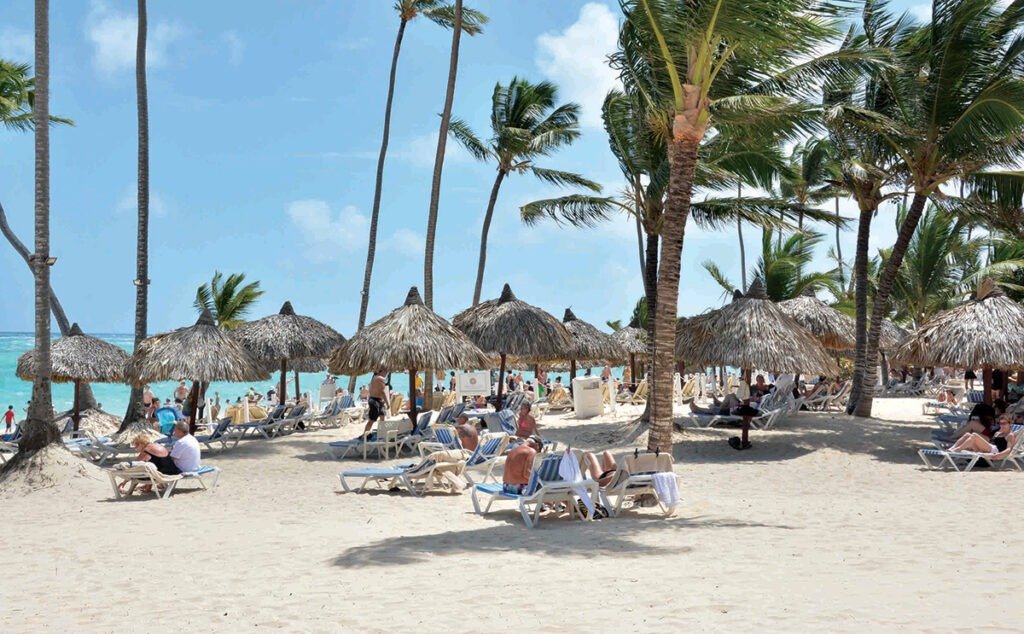
The Dominican Republic’s tourism industry maintained solid momentum in July 2026, as national hotel occupancy reached 76%, up one percentage point from the same month a year earlier. The latest figures highlight the country’s continued appeal among international travelers, with several of its most popular destinations reporting occupancy levels well above the national average.
Bayahíbe-La Romana led the country with an impressive 92% hotel occupancy rate, followed by Bávaro-Punta Cana at 83%, Miches at 82%, and Juan Dolio-Boca Chica at 80%. The results come during the Northern Hemisphere summer travel season, a period that traditionally brings increased international visitor arrivals to Caribbean destinations.
Leading Destinations Continue to Drive Tourism Growth
The figures illustrate that the Dominican Republic’s tourism success extends beyond a single destination. While Bávaro-Punta Cana remains the country’s largest tourism hub by visitor volume, Bayahíbe-La Romana continues to achieve exceptionally high occupancy levels, reinforcing its position as one of the nation’s premier resort areas.
Meanwhile, Miches has strengthened its emergence as one of the country’s fastest-growing tourism destinations. Located on the eastern coast of the Dominican Republic, the area has attracted increasing investment in recent years as developers expand the country’s tourism offering beyond its traditional resort centers.
The combination of well-established destinations and rapidly developing tourism areas broadens the country’s appeal to international travelers while helping distribute tourism-related economic activity across more regions.
International Visitors Continue to Dominate Hotel Demand
A key indicator of the industry’s strength is the origin of hotel guests. According to the July data, 88% of all hotel stays were recorded by foreign visitors, highlighting the Dominican Republic’s continued ability to attract travelers from major international source markets.
This international demand plays a significant role in supporting one of the country’s most important economic sectors. Visitor spending extends well beyond hotels, benefiting restaurants, transportation providers, excursion operators, retailers, entertainment businesses, airports, and a wide network of tourism-related services.
High Occupancy Supports the Wider Economy
Tourism remains one of the Dominican Republic’s largest generators of foreign exchange earnings. As hotel occupancy rises, the economic impact extends throughout local communities where visitors spend on accommodation, dining, shopping, transportation, guided tours, and recreational activities.
The strong July performance therefore reflects more than healthy hotel bookings. Occupancy rates of 92% in Bayahíbe-La Romana, 83% in Bávaro-Punta Cana, and 82% in Miches point to sustained economic activity across multiple sectors that depend directly or indirectly on tourism.
Miches Continues to Gain Momentum
While Punta Cana continues to anchor the country’s tourism industry, Miches has become one of the most closely watched emerging destinations. Surpassing 80% occupancy during July suggests that new tourism developments are successfully attracting visitors and complementing the country’s established resort markets.
The area’s growth also reflects the Dominican Republic’s broader strategy of diversifying its tourism portfolio through new destinations offering beaches, nature-based experiences, local gastronomy, and upscale hospitality projects.
Strong Tourism Reinforces the Country’s Global Position
Consistently high hotel occupancy also strengthens the Dominican Republic’s reputation as one of the Caribbean’s leading tourism destinations. Sustained international demand signals confidence in the country’s tourism infrastructure, air connectivity, hospitality sector, and ability to accommodate visitors from around the world.
Beyond attracting more travelers, continued tourism growth creates opportunities for restaurants, artisans, transportation operators, farmers, tour companies, and many small businesses that form part of the industry’s supply chain. Maintaining that momentum, however, will require continued investment in infrastructure, environmental protection, public services, and long-term planning to ensure sustainable growth.
Positive Trend Continues Through 2026
The July figures build on a favorable performance recorded earlier in 2026. Official tourism data for the first five months of the year had already shown Bayahíbe reaching 92% occupancy, La Romana 90%, Bávaro-Punta Cana 88%, and Miches 77%. July’s increase in Miches demonstrates the destination’s growing role within the Dominican Republic’s tourism landscape.
Nationally, the 76% hotel occupancy rate, combined with the arrival of 921,718 air passengers during July, reflects sustained demand for travel to the Dominican Republic. As the country continues expanding its tourism infrastructure and promoting emerging destinations, the sector remains positioned as one of the strongest pillars of the national economy.