 24°C
24°C

Health and Safety Tips for Traveling to the Dominican Republic
A trip to the Dominican Republic can involve everything from resort beaches and busy cities to rural communities and outdoor adventures. A few practical health and safety preparations before departure can help travelers avoid common illnesses, manage the tropical climate and know what to do if they need medical care.


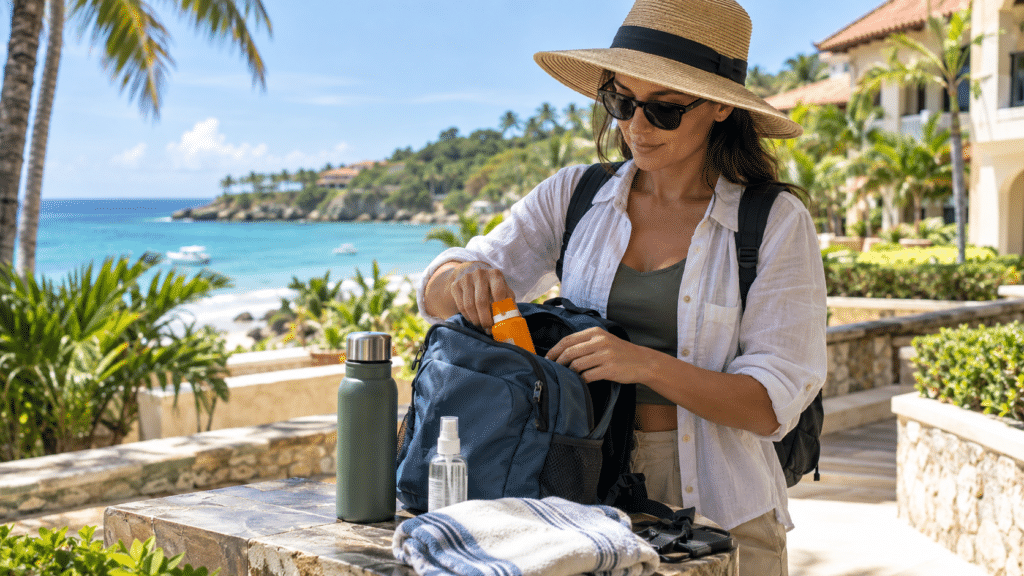
For most visitors, staying healthy in the Dominican Republic comes down to sensible preparation and a few habits that are especially important in a tropical destination. Food and water precautions, protection from mosquitoes and the sun, adequate hydration, appropriate medications and access to medical care all deserve attention before and during the trip.
The level of preparation may also depend on the itinerary. A traveler spending a week at an established resort will face a different set of practical considerations from someone visiting several cities, hiking in rural areas or staying in a remote part of the country. Understanding those differences makes it easier to prepare without treating every destination or activity as though it carries the same risks.
Prepare for the Climate Before You Arrive
The Dominican Republic has a warm tropical climate, and visitors who are accustomed to cooler weather can underestimate how quickly heat, humidity and strong sunlight affect the body. The weather also varies throughout the year, so travelers planning their trip may want to consider the best time to visit the Dominican Republic based on their preferred activities and tolerance for heat, humidity and rainfall. This is particularly relevant during long days outdoors, sightseeing, hiking, playing sports or spending extended periods at the beach.
Pack lightweight clothing, a hat, sunglasses and sunscreen, and plan regular breaks from direct sun. Drinking fluids throughout the day is more effective than waiting until you feel very thirsty. Alcohol can also contribute to dehydration, so travelers should balance alcoholic drinks with water, particularly during hot days or when spending time outdoors.
Heat-related problems can become more serious when exercise, alcohol, prolonged sun exposure and inadequate fluid intake occur together. Anyone who develops severe weakness, confusion, fainting or other concerning symptoms after significant heat exposure should seek medical attention rather than trying to continue with normal activities.
Be Careful With Drinking Water
Water safety is one of the simplest areas where travelers can reduce the likelihood of gastrointestinal illness. Visitors who are uncertain about the local water supply should choose sealed bottled or otherwise reliably purified water for drinking and use it when brushing their teeth if necessary.
Pay attention to the source of water rather than assuming that every location in the country has identical conditions. Water and sanitation standards can vary between established tourist facilities, urban areas and more remote destinations. Ice is also worth considering when traveling away from established hotels and restaurants, particularly if its water source is unclear.
Keeping hydrated remains important even when taking precautions around drinking water. Travelers can carry bottled water during excursions, beach days and road trips, where access to a reliable source may be less convenient. Oral rehydration products can also be useful to have available if significant diarrhea or vomiting occurs.
Reduce the Risk of Food-Related Illness
Travelers’ diarrhea and other gastrointestinal problems can disrupt a vacation quickly. The basic strategy is to choose food and drinks that have been handled and prepared safely, particularly when eating outside established restaurants or accommodation facilities.
Freshly cooked food served hot is generally a safer choice than food that has been sitting at room temperature for extended periods. Travelers should be cautious with raw or undercooked seafood, foods whose storage conditions are uncertain, and informal food sold in places where hygiene is difficult to assess.
Fresh produce deserves some attention as well. Fruits that can be peeled are a practical option when travelers are uncertain about how produce was washed. Washing hands before eating and after using the bathroom is another simple measure that can reduce the spread of gastrointestinal infections.
These precautions do not mean visitors need to avoid local cuisine. Dominican food is an important part of the travel experience, and sensible food choices allow travelers to enjoy it while reducing avoidable risks. The same principles become particularly important for people with underlying health conditions, older travelers, young children and anyone who may become dehydrated quickly.
Protect Yourself From Mosquitoes and Other Insects
Mosquitoes are an important consideration for travelers to the Dominican Republic because they can transmit illnesses including dengue and malaria in areas where those diseases occur. The specific level of risk can vary by location and can change over time, so travelers should check current destination-specific health advice before departure rather than relying on an old travel guide.
Insect-bite prevention is useful regardless of whether a traveler has been advised to take medication for a particular disease. Apply an appropriate insect repellent according to its label, especially when spending time outdoors, and consider lightweight long sleeves and pants for activities where mosquito exposure is likely.
Accommodation can also make a difference. Air-conditioned rooms and rooms with intact screens can reduce exposure, while travelers staying in locations with greater exposure to the outdoors may benefit from additional measures such as a mosquito net.
Repellent should be part of the day-to-day travel kit rather than something reserved for excursions. Mosquito exposure can occur in urban environments as well as rural or coastal areas, so a beach vacation does not automatically eliminate the need for insect precautions.
Take Extra Care With Outdoor and Freshwater Activities
The Dominican Republic offers extensive opportunities for swimming, boating, hiking and other outdoor activities. Those experiences also require travelers to consider conditions that may be less familiar than those at home.
Follow posted beach warnings and lifeguard instructions, use appropriate safety equipment for boating and water excursions, and avoid diving into water when its depth or underwater conditions are uncertain. Travelers should also be cautious about swimming in untreated freshwater, particularly in locations where sanitation conditions are unclear.
After heavy rainfall, avoid contact with floodwater or muddy water when possible, especially if you have cuts or other open wounds. Flooding can introduce contaminants into water and soil, creating health risks that are different from those associated with normal recreational swimming.
For hiking or rural excursions, closed footwear can provide protection from sharp surfaces, insects and contaminated soil. A small first-aid kit can also be useful for treating minor cuts, blisters and other common problems before they become an obstacle to the rest of the trip.
Know What Health Care Is Available
Medical services are not distributed identically across the country. Larger cities and major tourist areas generally offer more healthcare options than remote communities, where travelers may have fewer facilities nearby and may need more time to reach appropriate care.
Resorts and larger hotels can often help guests identify nearby clinics, hospitals or medical providers. Travelers staying independently should consider identifying the nearest appropriate medical facility before taking excursions into less populated areas, particularly if they have a medical condition that could require prompt treatment.
Pharmacies are common in populated areas, but travelers should not assume that every medication or formulation available at home will be readily available under the same brand name in the Dominican Republic. Product names, active ingredients and packaging can differ between countries.
For that reason, it is generally better to arrive prepared rather than rely on purchasing every medicine after arrival. A basic travel health kit can include items appropriate to the traveler’s personal needs, along with supplies for minor injuries and common problems.
Bring Enough Prescription Medication
Travelers who take prescription medication should bring an adequate supply for the entire trip, allowing some additional margin for delays or changes in plans. Keep medicines in their original packaging when practical and carry them in hand luggage rather than relying exclusively on checked baggage.
A copy of the prescription or a letter from the prescribing clinician can be useful, particularly for medications that may be subject to additional controls. Travelers should also know the generic or active ingredient name of their medicines, since the brand name used at home may not be the same one found abroad.
Do not assume that a medication can simply be replaced locally if it is lost. Before departure, travelers with important prescriptions should confirm what documentation and quantities are appropriate for international travel and check the rules that apply to their particular medication.
Make Pre-Travel Health Preparations Part of the Trip
A pre-travel health check is particularly useful for people with chronic conditions, pregnant travelers, young children, older adults and anyone planning an extended or remote trip. A clinician or travel-health professional can consider the itinerary, activities, medical history and current health recommendations when advising on preparation.
Vaccination is one component of that preparation, rather than the whole travel-health picture. Travelers should make sure routine vaccinations are up to date and discuss destination-specific recommendations with a qualified healthcare professional well before departure. For a focused overview of this part of preparation, see dominican republic travel vaccines.
Health advice can change as disease activity, international guidance and individual circumstances change. Travelers should therefore confirm current recommendations with an official health authority or qualified medical professional before departure, particularly when their itinerary includes rural areas, prolonged stays or specific medical concerns.
Consider Travel Insurance With Medical Coverage
Travel insurance is another practical part of health preparation. A policy can help cover eligible medical treatment, emergency assistance or other costs that may arise when a traveler becomes sick or injured abroad. The details vary considerably between policies, so travelers should read the coverage terms rather than assuming that every policy provides the same protection.
Before departure, check whether the policy covers medical treatment in the Dominican Republic, emergency transportation, hospitalization and any activities included in the itinerary. Adventure activities, rental vehicles and other higher-risk plans may have specific exclusions or conditions.
Travelers with existing medical conditions should also check how their policy treats those conditions. Keeping the insurer’s emergency contact information accessible can save time if medical assistance is required during the trip.
What to Do If You Become Sick
A mild stomach upset may resolve with rest and adequate fluids, but travelers should not ignore symptoms that are severe, persistent or worsening. Repeated vomiting or diarrhea can lead to dehydration, while fever or other significant symptoms can require professional assessment.
Seek medical care promptly if symptoms are serious or if you are unsure whether they require treatment. Travelers should be especially cautious about fever during or after a trip because some infections acquired through travel can require specific evaluation. Tell the healthcare professional where you have traveled, which areas you visited and what activities or exposures you experienced.
If an illness develops after returning home, make sure the healthcare provider knows about the recent trip to the Dominican Republic. Travel history can help clinicians consider infections and other conditions that might not otherwise be immediately apparent.
Health Considerations for Resorts, Cities and Remote Areas
The practical health strategy can change considerably depending on where you stay. Large resorts may provide convenient access to food, bottled water, air conditioning and assistance with local medical services, while city travel can involve more walking, traffic exposure and changing environments.
Remote destinations and rural excursions require more advance planning because medical facilities, pharmacies and reliable supplies may be farther away. Travelers heading into less populated areas should carry sufficient water, necessary medication, basic first-aid supplies and any other essentials that would be difficult to replace quickly.
The same principle applies to transportation and day trips. A short excursion on a map can take considerably longer if roads, weather or local conditions change. Keeping essential medication, identification, insurance information and drinking water accessible is therefore useful even when an outing is planned to last only a few hours.
A Practical Health Checklist Before Departure
A few simple preparations can make health problems easier to prevent or manage once the trip begins. Before leaving home, travelers should consider the following:
Check current health guidance: Review destination-specific recommendations from an official health authority and discuss personal concerns with a healthcare professional when appropriate.
Pack essential medication: Bring enough prescription medicine for the trip, plus an appropriate margin for delays, and keep important medication accessible during travel.
Prepare a small health kit: Consider sunscreen, insect repellent, basic first-aid supplies, oral rehydration products and other over-the-counter items appropriate to your needs.
Plan for the climate: Pack lightweight clothing, sun protection and a reusable way to carry drinking water during excursions.
Check your insurance: Confirm medical coverage, emergency assistance and any exclusions relevant to your itinerary.
Know your accommodation: Consider how you will access a pharmacy or medical facility if necessary, particularly when staying outside major tourist centers.
Keep important information accessible: Carry identification, insurance details, emergency contacts and relevant medical information where you can reach them quickly.
Good Preparation Makes Health Risks Easier to Manage
Travel health in the Dominican Republic is less about avoiding every possible risk than about understanding the practical situations most likely to affect a visitor. Safe food and water habits, protection from mosquitoes and intense sun, regular hydration, sensible precautions around outdoor activities and adequate medication supplies cover many of the everyday issues travelers can control.
Preparation should also reflect the trip itself. A resort stay, an urban itinerary and a remote adventure do not require exactly the same approach. By checking current official health advice before departure and planning for the conditions of the places they intend to visit, travelers can spend less time dealing with preventable problems and more time experiencing the Dominican Republic.