 25°C

Dominican Merchants Report Paying Up to $5,000 a Week to Haitian Gangs to Move Goods


Dominican business owners are reportedly paying up to $5,000 per week to armed gangs in Haiti to facilitate the movement of food and other commercial goods across the border, according to Iván García, president of the Dominican Federation of Merchants (FDC). The alleged payments highlight the growing security and logistical challenges affecting trade between the two countries.
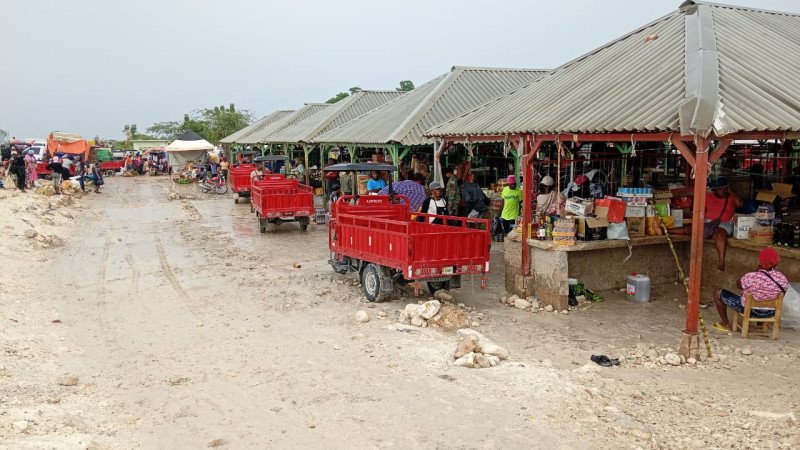
García said the practice is particularly prevalent along the Malpasse corridor, across from Jimaní in southwestern Dominican Republic, where armed groups allegedly demand payments to allow merchandise to travel through Haitian territory. He described the payments as necessary for maintaining deliveries to Haitian customers and preventing shipments from being blocked.
Jimaní Corridor Faces Particular Security Challenges
According to García, the situation differs across the Dominican-Haitian border. He said merchants operating through Dajabón, in the north, do not face the same level of gang control reported along the southern route through Malpasse.
The Malpasse crossing is strategically important because it provides a route toward Port-au-Prince, Haiti’s capital. However, García said armed groups exert control over key stretches of the road, forcing traders to negotiate payments to move merchandise safely.
He explained that Dominican suppliers and their Haitian business partners sometimes coordinate contributions to keep shipments moving. Without these payments, he said, gangs can prevent goods from continuing along their intended routes.
The reported practice affects the movement of food, consumer products and construction materials, all of which are important components of cross-border commerce.
Trade Routes Have Shifted Toward Elías Piña
García said insecurity along the Malpasse corridor has encouraged some traders to shift commercial activity toward Elías Piña, another border province in the Dominican Republic. Although armed groups are also reported to operate in areas along this route, he described their presence as less pronounced than around Malpasse.
The change in routes does not eliminate the costs associated with insecurity. Traders moving goods toward Port-au-Prince may have to use longer routes through mountainous areas, increasing transportation expenses and complicating deliveries.
These additional costs can affect exporters, transport operators and Haitian importers, potentially making Dominican products more expensive for consumers in Haiti.
Haitian Consumers Bear the Cost, Merchant Leader Says
García argued that the burden ultimately falls on Haitian households because the extra expenses associated with moving goods are reflected in the prices paid by consumers.
He said Dominican merchants continue to seek arrangements with their Haitian customers because maintaining commercial relationships remains important to businesses on both sides of the border.
The allegations come amid a wider security crisis in Haiti that has disrupted economic activity and raised the cost of moving goods. A June 2026 report published by the World Customs Organization’s magazine described armed groups controlling major transport routes near Port-au-Prince, including roads leading toward the Malpasse border customs office.
These security conditions can complicate the movement of essential products even when merchandise has already reached the Haitian border.
Concerns Over the Future of Bilateral Commerce
The reported payments raise questions about the sustainability of cross-border trade when commercial operators must account for security-related costs beyond ordinary transportation, customs and distribution expenses.
Other Dominican business representatives have also expressed concern about the potential impact of insecurity in Haiti on bilateral commerce. However, reporting on the issue indicates that not all business organizations have independently confirmed that their members are making such payments.
The allegations made by García have not been independently established as applying to all Dominican exporters or every border crossing. The reported amount of up to $5,000 per week should therefore be understood as his account of the practice rather than a verified industry-wide figure.
For the Dominican Republic, maintaining reliable trade with Haiti is an important commercial consideration. For Haitian consumers, disruptions along transport corridors can restrict access to goods and increase prices. The situation underscores how insecurity in one country can generate economic consequences that extend across a shared border.
García said merchants continue to seek ways to keep deliveries moving because stopping shipments would prevent Haitian customers from receiving products purchased from Dominican suppliers. Without improved security and more predictable transport conditions, however, the additional costs and risks could continue to weigh on businesses and consumers throughout the cross-border supply chain.