 28°C


World Bank Warns of 23.1% Surge in Commodity Prices in 2026
Global commodity prices are projected to climb sharply in 2026 as conflict in the Middle East disrupts energy supplies and trade, while climate risks threaten harvests and increase pressure on food prices, inflation and vulnerable economies.


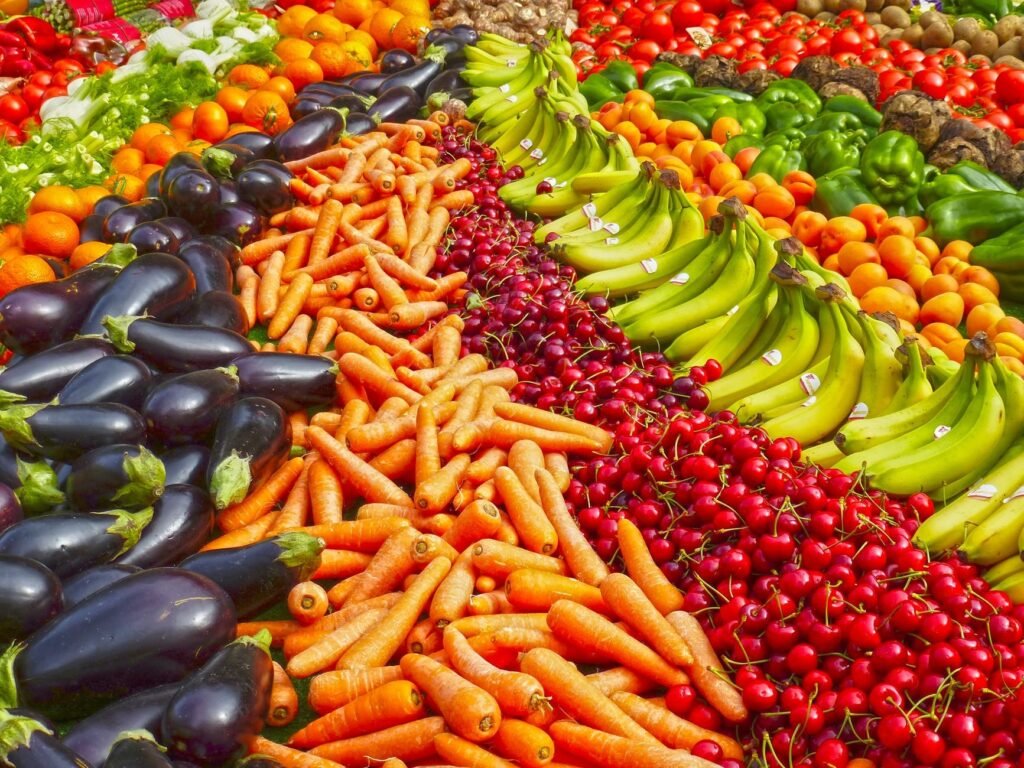
The World Bank expects global commodity prices to rise by 23.1% in 2026 as conflict in the Middle East, shipping disruptions and climate-related threats place renewed pressure on energy, food and industrial inputs. The projections point to a broader inflation risk for economies dependent on imported fuel and agricultural products, while households with limited purchasing power could face additional difficulties accessing basic goods. The bank’s October 2026 Commodity Markets Outlook anticipates that overall commodity prices will decline by 7% in 2027 and 8.8% in 2028.
The report identifies energy supply constraints as a central driver of the increase. Reduced oil inventories and disruptions to international trade have pushed energy prices toward a four-year high, while interrupted grain shipments and the threat of El Niño-related crop losses could make food more expensive. These pressures may compound one another because fuel and fertilizer costs also influence agricultural production and transportation.
Energy prices and oil lead the increase
Energy prices are forecast to rise 32% in 2026, reversing three consecutive years of declines. The World Bank expects the Brent crude benchmark to average $91 per barrel, compared with $69 in 2025, before falling to $79 in 2027. Higher oil prices can raise costs across transport, manufacturing and electricity generation, depending on national energy systems and pricing arrangements.
The outlook also points to continued pressure on food and agricultural inputs. Food commodity prices are projected to increase by 10.3% in 2026 and a further 7.2% in 2027, before declining by 5.2% in 2028. Fertilizer prices are expected to climb 14.3% this year, partly reflecting the earlier surge in urea prices, before falling 12.4% in 2027 and another 8.2% in 2028.
These increases could be particularly challenging for countries that rely heavily on imported fuel, fertilizers and food, such as the Dominican Republic. Rising international commodity prices can increase transportation, electricity and grocery expenses, putting additional pressure on household budgets. These factors are particularly relevant when assessing the cost of living in the Dominican Republic, as import costs, exchange rates and domestic pricing policies can influence the prices paid by consumers. However, the impact on local inflation will depend on how global market changes are transmitted to the domestic economy.
Metals and precious metals face further gains
Metal markets are also expected to register substantial increases. The World Bank forecasts a 24.5% rise in metal prices in 2026, with aluminum, copper and tin projected to reach record levels. Prices are expected to decline by 3.3% in 2027 and 3.8% in 2028, although movements will vary across individual commodities.
Precious metals are forecast to rise 39.9% in 2026 as investors seek assets perceived as safe havens amid geopolitical and economic uncertainty. The report anticipates declines of 8.3% in 2027 and 6% in 2028. Even after those reductions, prices would remain above their average levels recorded between 2015 and 2019.
For manufacturers and construction businesses, higher metal prices can increase input costs and complicate investment planning. For investors, movements in precious metals reflect a different set of considerations, including risk perceptions, market uncertainty and demand for assets traditionally used to preserve value during periods of instability.
Middle East conflict raises food security concerns
The World Bank’s baseline forecast assumes that conflicts affecting commodity supplies will not deteriorate substantially beyond the conditions incorporated into its projections. However, a further escalation in the Middle East, combined with continued damage to Russian oil infrastructure, could push energy prices above expected levels and intensify pressure on other commodity markets.
A more severe combination of energy supply disruptions, interruptions to grain shipments in the Black Sea and an unusually strong El Niño could trigger a broader food crisis. Under this adverse scenario, Brent crude could average $105 per barrel in 2027, while food commodity prices could stand 12% above the baseline projection and exceed their 2022 levels.
Such a scenario would put additional pressure on food affordability, particularly in lower-income countries and among households that spend a large share of their budgets on essential goods. Higher agricultural input costs could also strain farmers’ finances and make it harder to maintain production, reinforcing concerns about food availability and poverty.
World Bank makes up to $60 billion available
To help countries manage the effects of higher commodity prices, the World Bank Group has made between $50 billion and $60 billion available through existing financial instruments, including $25 billion in prearranged financing. The support can be used to strengthen social safety nets, expand fiscal capacity and provide working capital and liquidity assistance to businesses and agricultural producers.
The measures are particularly relevant for lower-income countries facing high debt burdens and limited room to absorb external shocks. Financing can help governments and businesses respond to immediate pressures, although the scale of the challenge will depend on how long supply disruptions last and whether commodity prices rise beyond current forecasts.
Ayhan Kose, the World Bank’s deputy chief economist and director of its Prospects Group, warned that higher energy costs and trade disruptions threaten to worsen inflation, food insecurity and economic growth. The report underscores how geopolitical conflict and climate risks can spread through interconnected commodity markets, affecting not only producers and traders but also businesses and households around the world.