 25°C


Dominican Central Bank Keeps Benchmark Rate at 5.50%
The Central Bank of the Dominican Republic (BCRD) left its benchmark interest rate unchanged at 5.50% in October, balancing persistent international price pressures against expectations that domestic inflation will return to its target range by year-end.


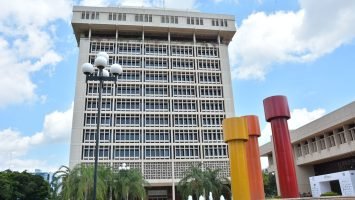
Central bank cites global uncertainty and inflation risks
The BCRD kept its other key monetary policy rates unchanged as well. The one-day liquidity expansion facility, known as repos, remains at 6.00%, while the overnight deposit rate stays at 4.75%.
The decision comes amid continued uncertainty in international markets, particularly because of prolonged armed conflicts that have kept oil, refined fuels and other commodity prices elevated. The central bank said its forecasts point to domestic inflation returning to its target range of 4.0% to 5.0% during the fourth quarter of 2026.
However, the institution continues to identify upward risks to the inflation outlook, including geopolitical tensions and the potential effects of adverse weather on food prices.
Domestic inflation eases, but remains above the target range
Annual inflation in the Dominican Republic declined from 5.67% in June to 5.12% in September. Core inflation, which excludes more volatile items in the consumer basket, also moderated, falling from 4.96% to 4.61% over the same period.
The BCRD attributed part of the price dynamics to government fuel subsidies, which have partially limited the pass-through of higher refined petroleum costs to consumers. It said medium-term inflation expectations remain anchored around the central target, while short-term expectations have moderated.
The central bank also said it will continue managing liquidity in the financial system to maintain appropriate conditions. Private-sector credit denominated in Dominican pesos grew by approximately 7.4% year over year at the end of September, supported mainly by financing to productive sectors.
Economic growth remains firm despite external pressures
Economic activity expanded by 5.6% year over year in September, bringing cumulative growth for the first nine months of 2026 to 4.6%. Construction, financial intermediation, and hotels, bars and restaurants were among the sectors supporting the expansion.
The BCRD projects growth of around 4.5% for the full year, citing investment and the resilience of the external sector as supporting factors.
The Dominican peso had appreciated by approximately 4% cumulatively by the end of October, according to the central bank. International reserves stood at about US$15.2 billion at the end of September, equivalent to roughly 10.5% of GDP and five months of imports.
Global energy prices remain a concern for monetary policy
International conditions continue to complicate the outlook. West Texas Intermediate crude averaged approximately US$97 per barrel in October, reflecting developments in the Middle East conflict. Reduced global refining capacity has also put additional pressure on prices for refined fuels, particularly diesel.
Gold prices moved in the opposite direction, moderating to around US$4,000 per troy ounce during the month amid expectations of higher interest rates in the United States.
In the United States, annual inflation reached 3.7% in September, above the Federal Reserve’s 2% target, while unemployment stood at 4.2%. The Federal Reserve left its benchmark rate unchanged in October. In the euro area, inflation rose to 3.8% in September, and the European Central Bank also held its policy rate steady during October.
Against this backdrop, the BCRD said it will continue monitoring international developments and their potential effects on the Dominican economy, with the aim of preserving price stability and meeting its inflation target. The institution’s October 2026 monetary policy statement provides the full explanation of the decision and its economic outlook.