 23°C
23°C

Climate-Resilient Crops Require Preparation Before Extreme Events
Building climate resilience in agriculture starts long before an extreme weather event occurs, with soil management, plant nutrition, water control and crop selection helping farmers prepare crops to withstand stress and recover afterward.


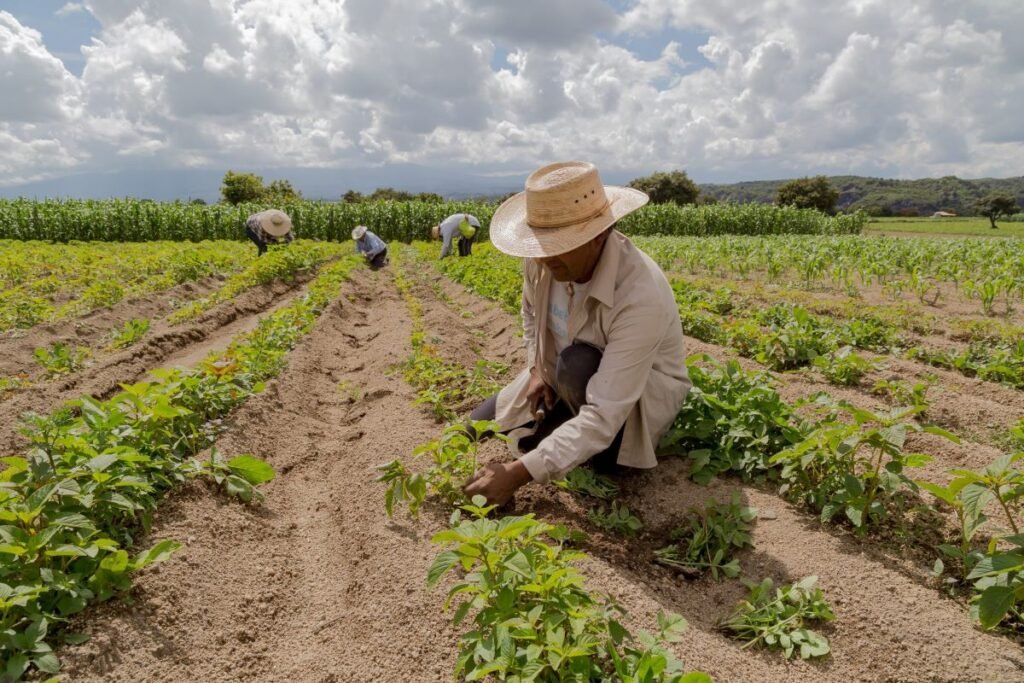
Climate resilience in agriculture cannot be improvised once an extreme weather event is underway. The ability of a crop to withstand stress and recover depends on preparation across the system that connects the soil, roots, microbiota and leaves, according to agricultural specialist Carolina Salazar.
Speaking at the symposium “Climate Change and Its Impact on Agricultural Crops in the Dominican Republic,” Salazar outlined a range of agronomic practices that can strengthen the capacity of crops to cope with changing climatic conditions. Her approach places preparation and preventive management at the center of agricultural adaptation.
Agronomic Practices Can Strengthen Crop Adaptation
Among the measures highlighted by Salazar were timely and monitored irrigation, nutrition adjusted to the crop’s growth stage, soil and organic matter management, and the use of ground cover. Other options include grafting, climate-tolerant varieties, balanced pruning and crop renewal, bio-stimulants, and measures designed to reduce heat exposure.
Heat mitigation can include shade nets and agroforestry systems, which can provide additional protection for crops under high-temperature conditions. The combination of these practices allows farmers to address climate stress through management decisions made before conditions become extreme.
Salazar also distinguished between tolerance and resilience. A tolerant plant can maintain its functions while exposed to a stressful event. A resilient plant goes further by recovering its previous functioning after the event has passed.
Genetics And Field Management Play Different Roles
Adaptation can also involve genetics. Salazar explained that biological adaptation is associated with heritable changes and the search for crop varieties with greater tolerance to environmental stress.
Agronomic adaptation, by contrast, results from changes made directly in the field through management. This distinction means that improving crop resilience can involve both the selection of plant material and decisions about how crops, soil and water are managed throughout the production cycle.
Soil Health Is Central To Climate Resilience
Soil is a critical component of this system because its physical and biological characteristics influence how effectively plants respond to environmental stress. Soil structure and porosity support root development and aeration, while water-holding capacity helps maintain transpiration and the cooling of leaves.
Organic matter also plays an important role by supporting biological activity and nutrient availability. Maintaining these soil functions can therefore contribute to the conditions plants need to continue operating during periods of climatic stress and to recover afterward.
The approach presented by Salazar places resilience within the broader management of the agricultural system rather than treating it as a response to a single weather event. Preparing the soil, roots and leaves in advance can help crops maintain their functions under stress and regain them after conditions improve.
For agriculture in the Dominican Republic, where crop production must contend with changing environmental conditions, the emphasis on preventive management points to adaptation as an ongoing process. The central principle is that resilience is built before the extreme event, through decisions made throughout the crop’s development.