 22°C


Dominican Republic Strengthens Protection of Bávaro and El Caletón Lagoons
The Environment Ministry and Fundación Dos Lagunas have signed a co-management agreement to improve conservation, biodiversity monitoring and environmental education at a protected wetland in Verón-Punta Cana, home to a critically endangered fish found nowhere else in the world.


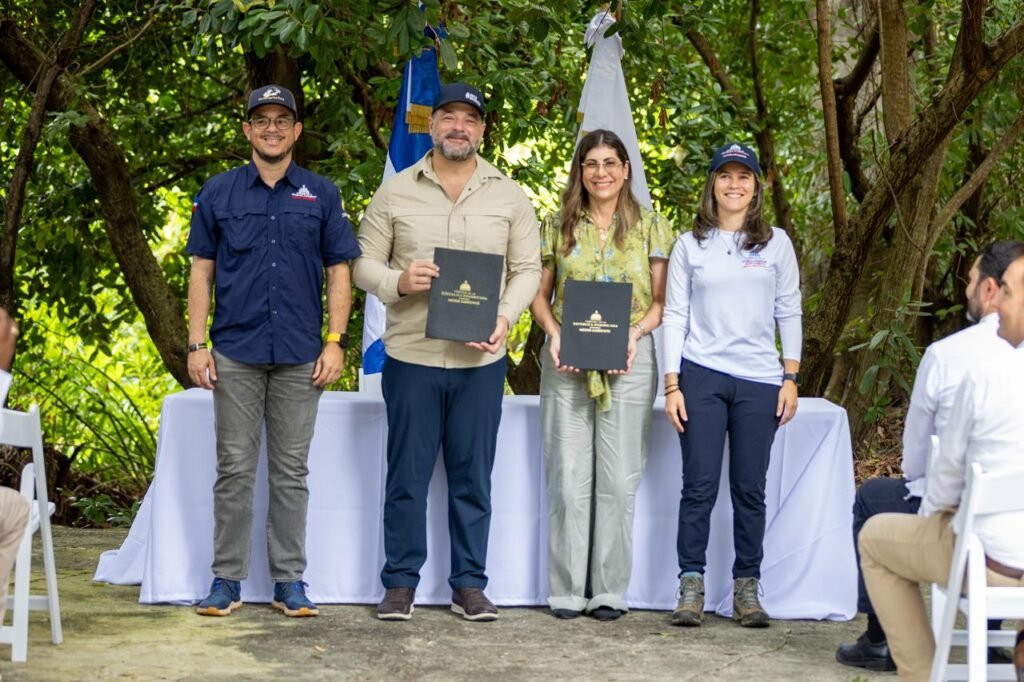
A protected wetland in the heart of the Punta Cana tourism region is set to receive additional conservation support through a new partnership between the Dominican government and a nonprofit organization. The Ministry of Environment and Natural Resources and Fundación Dos Lagunas have signed a co-management agreement for the Lagunas de Bávaro y El Caletón Wildlife Refuge in La Altagracia province.
The agreement establishes cooperation between public authorities and civil society to strengthen environmental surveillance, protect biodiversity, promote environmental education and encourage the sustainable use of natural resources. The initiative comes as tourism and infrastructure development continue to expand in eastern Dominican Republic.
Partnership to Strengthen Management of the Protected Area
Environment Minister Paíno Henríquez signed the agreement alongside Ana Judith Alma Iglesias, president of Fundación Dos Lagunas. The arrangement is intended to reinforce management of the two sections that make up the protected area through actions included in its operational planning.
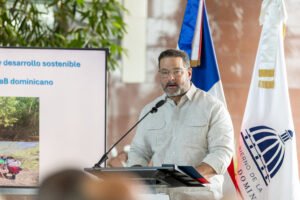
Henríquez described conservation as a strategic investment in Punta Cana’s long-term sustainability, emphasizing the ecological services provided by the wetlands and their contribution to environmental balance in the tourism destination.
Iglesias said economic development and environmental protection should advance together and pledged the foundation’s commitment to turning the agreement into practical conservation measures. Environment Vice Minister for Protected Areas and Biodiversity Carlos Augusto Batista said the partnership would strengthen management across both protected-area polygons.
A Wetland of Importance to Dominican Biodiversity
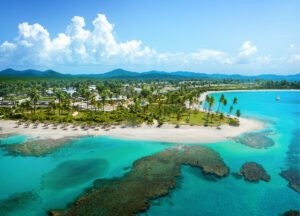
The Lagunas de Bávaro y El Caletón Wildlife Refuge covers 7.16 square kilometers and forms part of the Dominican Republic’s National System of Protected Areas. Its coastal wetlands, lagoons, mangroves and plant communities support biodiversity and help protect water resources.
One of its most significant species is the black-and-blue titaco, scientifically known as Cyprinodon higuey. This small freshwater fish is endemic to Hispaniola, and its known distribution is restricted to Bávaro Lagoon. It is classified as Critically Endangered on the International Union for Conservation of Nature’s Red List, making the protection of its habitat especially important.
The refuge also has documented botanical diversity. A 2008 inventory by the National Botanical Garden recorded 269 vascular plant species in Bávaro Lagoon, including nine species endemic to Hispaniola.
Why Conservation Matters for Punta Cana’s Tourism Future
The agreement highlights a challenge facing one of the Caribbean’s best-known tourism destinations: maintaining the natural systems that support its environmental quality while accommodating continued economic growth.
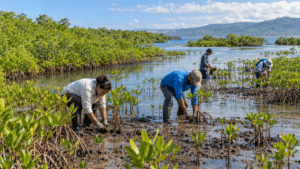
Wetlands and mangroves provide important ecological functions, including habitat for wildlife, support for biodiversity and protection of water resources. Their condition is therefore relevant not only to conservation efforts but also to the long-term resilience of the surrounding destination.
For visitors, the refuge represents a natural dimension of Punta Cana beyond its beaches and resort developments. For local communities and tourism businesses, effective protection of these ecosystems is part of preserving the environmental assets on which the region’s appeal depends.
The Ministry’s co-management approach is intended to expand public participation and shared responsibility in the stewardship of protected areas. The effectiveness of the new partnership will ultimately depend on translating its commitments into sustained monitoring, habitat protection and environmental education.
Further information about the refuge and its protected-area status is available through the Ministry of Environment and Natural Resources.