 23°C
23°C

World Forest Fire Prevention Day 2026: How To Prevent Major Fires
World Forest Fire Prevention Day 2026 focuses attention on one of the most effective ways to protect forests and natural areas: preventing small fires from becoming large and destructive wildfires.


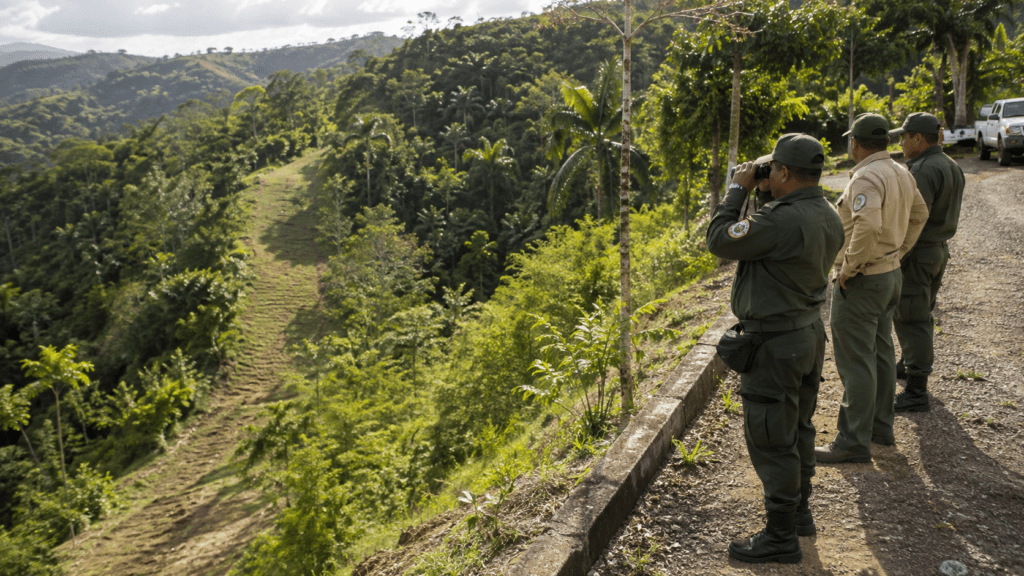
World Forest Fire Prevention Day 2026 highlights the importance of acting before a wildfire begins. In the Dominican Republic, where forests, protected areas and rural landscapes form an important part of the country’s natural environment, prevention can help reduce damage to vegetation, wildlife, soils and water resources.
Large wildfires can spread rapidly when dry vegetation combines with high temperatures, low humidity and strong winds. Once a fire reaches that stage, controlling it becomes significantly more difficult. Preventing ignition and reducing the amount of combustible vegetation are therefore central to limiting the risk of major fires.
How Major Wildfires Begin
Wildfires can have different causes, but human activity is an important source of preventable risk. Agricultural burning, improperly managed fires, equipment that produces sparks and careless behavior in natural areas can all lead to an initial ignition.
Weather and landscape conditions then determine how that fire develops. Dry vegetation can provide fuel, while strong winds can accelerate the movement of flames. High temperatures and low humidity can further increase the potential for rapid fire spread.
This combination means that wildfire prevention is not simply about stopping people from starting fires. It also involves managing landscapes so that, when an ignition occurs, there is less continuous fuel available for flames to consume.
Prevention Starts Before The Fire Season
One of the most important lessons of World Forest Fire Prevention Day 2026 is that prevention cannot begin only when temperatures rise. Work carried out throughout the year can reduce the conditions that allow fires to become large emergencies.
Managing excessive vegetation, maintaining firebreaks and reducing the continuity of combustible material can help slow the potential spread of flames. These measures are particularly relevant in areas where vegetation has accumulated over time.
Rural land management is also part of the equation. In some areas, the abandonment of traditional agricultural and livestock activities can contribute to the accumulation of vegetation. Appropriate land-use practices, including certain forms of grazing when properly planned, can help manage vegetation while supporting rural landscapes.
Responsible Use Of Fire Can Prevent Ignitions
Individual behavior remains one of the simplest areas in which wildfire risk can be reduced. People living, working or traveling in rural and forested areas should follow local restrictions on the use of fire and avoid activities that could create an uncontrolled ignition.
Particular caution is necessary during periods of elevated fire danger. A fire that might normally be manageable can spread rapidly when vegetation is dry and weather conditions favor combustion.
Preventive behavior also includes taking care with machinery and other equipment capable of generating sparks. Avoiding unnecessary sources of ignition is especially important in areas surrounded by dry vegetation.
Early Detection Can Stop A Small Fire From Becoming A Major One
Even with strong preventive measures, fires can still occur. Early detection is therefore another essential element of wildfire prevention. The sooner smoke or flames are identified, the sooner emergency services can begin responding.
Satellite observation, surveillance cameras, sensors and data-analysis systems can strengthen monitoring in vulnerable areas. Weather information can also help identify periods when fire danger is particularly high and when additional surveillance or preventive measures may be needed.
Technology, however, is only part of the solution. A person who notices smoke or flames can provide a crucial early warning. Reporting a suspected wildfire quickly and providing an accurate location can give emergency responders valuable time to act.
What To Do If You See A Wildfire
People who detect smoke or flames should move away from danger and contact emergency services as quickly as possible. In the Dominican Republic, the 9-1-1 National Emergency and Security System provides a centralized emergency response service.
When reporting a fire, the most precise location possible should be provided. Nearby roads, buildings, trails, landmarks or other recognizable features can help emergency operators determine where responders need to go.
Approaching an active wildfire unnecessarily can be dangerous. Wind conditions can change quickly, while smoke, heat and shifting flames can create risks even when a fire initially appears small. People without the appropriate training and equipment should not attempt to fight a wildfire themselves.
Protecting Forests Requires More Than Firefighting
Firefighting becomes critical once a wildfire has started, but preventing large fires requires action before emergency crews are deployed. Forest management, vegetation control, monitoring and public awareness all contribute to reducing the probability that an ignition will develop into a major event.
The environmental consequences can extend well beyond the burned area. The loss of vegetation can leave soils exposed to erosion, while heavy rainfall may carry ash and sediment into waterways. Wildlife can also lose food sources, nesting areas and shelter, forcing animals to move to other parts of their habitat.
Recovery can vary considerably between ecosystems. Some landscapes are adapted to periodic fire and may regenerate naturally, while others can require much longer periods to recover. This makes prevention particularly important where a severe fire could cause lasting ecological damage.
Prevention Is A Year-Round Responsibility
World Forest Fire Prevention Day 2026 serves as a reminder that preventing major wildfires is a responsibility shared by authorities, landowners, rural communities, businesses, residents and visitors. No single measure can eliminate wildfire risk, but several preventive actions can reduce the likelihood of a small ignition becoming a large-scale emergency.
Maintaining landscapes, reducing combustible vegetation, respecting fire restrictions, monitoring vulnerable areas and reporting smoke or flames quickly all form part of the same strategy. For the Dominican Republic, strengthening these practices can help protect forests, biodiversity and communities before the next major wildfire threatens them.