 22°C
22°C
Banking in the Dominican Republic: What Every Expat Should Know
Opening a bank account is one of the first major steps for foreigners settling in the Dominican Republic. While the country's banking system is modern and stable, understanding local practices, documentation requirements, and common pitfalls can make the process significantly easier.


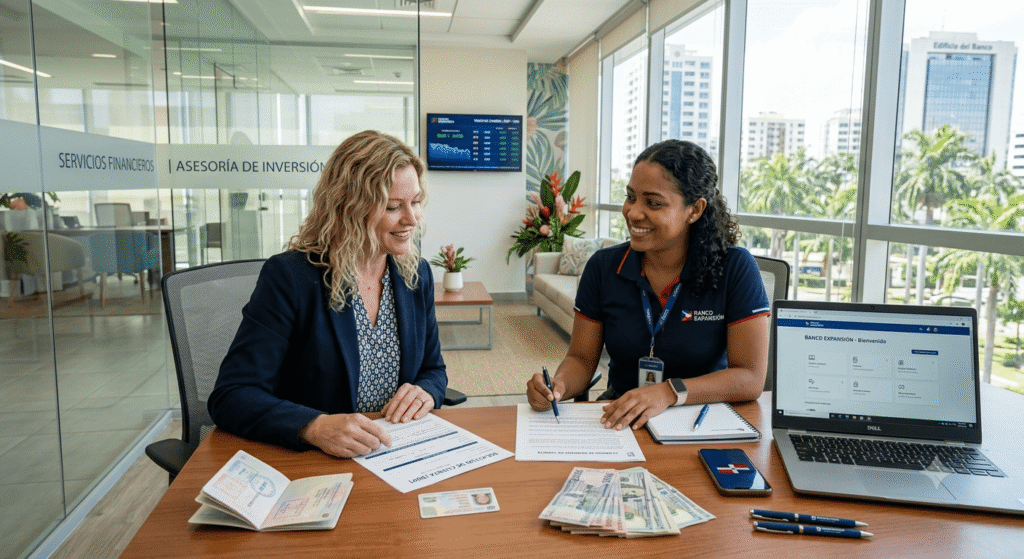
For many expatriates, establishing a local bank account marks an important milestone after relocating to the Dominican Republic. The country’s financial system is reliable and increasingly digital, but it often operates differently from what newcomers may be accustomed to in North America or Europe. Knowing what to expect before visiting a bank can save time, reduce frustration, and help avoid unnecessary costs.
Choosing the Right Bank
Several financial institutions are widely regarded as strong options for foreign residents because of their nationwide branch networks, digital banking services, and experience working with international clients.
Banco Popular Dominicano, Banreservas, Banco BHD, and Scotiabank Dominican Republic are among the institutions most frequently used by expatriates. Many long-term residents recommend maintaining both a Dominican peso (DOP) account for everyday expenses and a U.S. dollar (USD) account for savings, international transfers, or real estate transactions.
Although online and mobile banking have improved considerably, personal relationships remain an important part of banking culture in the Dominican Republic. Working consistently with the same branch—or even the same account representative—often leads to faster assistance and more efficient problem resolution.
Understanding Local Banking Practices
One of the biggest adjustments for newcomers is recognizing that banking procedures are not always standardized. Requirements may differ between branches of the same institution, approval times can vary, and documentation requests may change depending on the type of account being opened.
International debit and credit cards are accepted at many businesses, particularly in tourist destinations and larger cities. However, relying exclusively on foreign accounts can become expensive due to ATM withdrawal limits, currency conversion costs, foreign transaction fees, and occasional card authorization issues.
Customer service is also more relationship-oriented than process-driven. Resolving certain issues may require follow-up visits, phone calls, and patience, even when formal escalation channels are available.
Common Mistakes Expats Should Avoid
One of the most frequent mistakes is opening an account without fully understanding the bank’s fee structure. Monthly maintenance charges, international wire fees, exchange rate spreads, and other service costs vary among institutions and should be clarified before opening an account.
Financial advisers and experienced expatriates also recommend avoiding the practice of keeping all funds in a single account. Maintaining resources across local banks, overseas institutions, and, when appropriate, trusted digital financial platforms provides additional flexibility if temporary access issues arise.
Planning ahead is equally important. Opening a bank account can take time, especially for newcomers who must provide supporting documentation. Waiting until a property purchase, business transaction, or other urgent financial need arises can unnecessarily complicate the process.
Documents Typically Required
While requirements differ by institution, most Dominican banks request a valid passport, proof of legal status in the country, and documentation verifying the applicant’s residential address.
Applicants are commonly asked to provide financial documentation, including recent bank statements, proof of income or employment, and, in some cases, a bank reference letter demonstrating a positive banking history. U.S. citizens may also be required to complete tax-related documentation to comply with FATCA reporting obligations.
Most banks require applicants to appear in person to complete identity verification and sign account documents. Contacting the chosen bank before visiting a branch can help confirm the latest requirements and reduce processing time.
Popular Banks Used by Expats
Banco Popular Dominicano is the country’s largest private bank and is well known for its extensive branch network and advanced digital banking platform.
Banreservas, the Dominican Republic’s largest bank by assets, offers comprehensive nationwide coverage and a broad range of personal banking services suitable for long-term residents.
Banco BHD is recognized for its customer service, mobile banking capabilities, and variety of account options.
Scotiabank Dominican Republic, part of the Canadian banking group, has operated in the country for more than a century and offers a full range of retail and commercial banking products, including several American Express-branded credit cards.
Preparation Makes the Difference
For most expatriates, banking in the Dominican Republic becomes significantly easier after understanding how the local system operates. Success depends less on speed and automation than on preparation, patience, and selecting the banking services that best fit individual financial needs.
Approaching the process with realistic expectations—and having all required documentation ready before visiting a branch—can help newcomers establish their financial affairs smoothly and confidently as they begin life in the Dominican Republic.