 30°C
30°C

Undocumented Dominican Population in the US Rose 30%
The number of Dominican immigrants living in the United States without authorized immigration status rose from 164,000 in 2019 to an estimated 213,000 by mid-2023, according to the Migration Policy Institute.


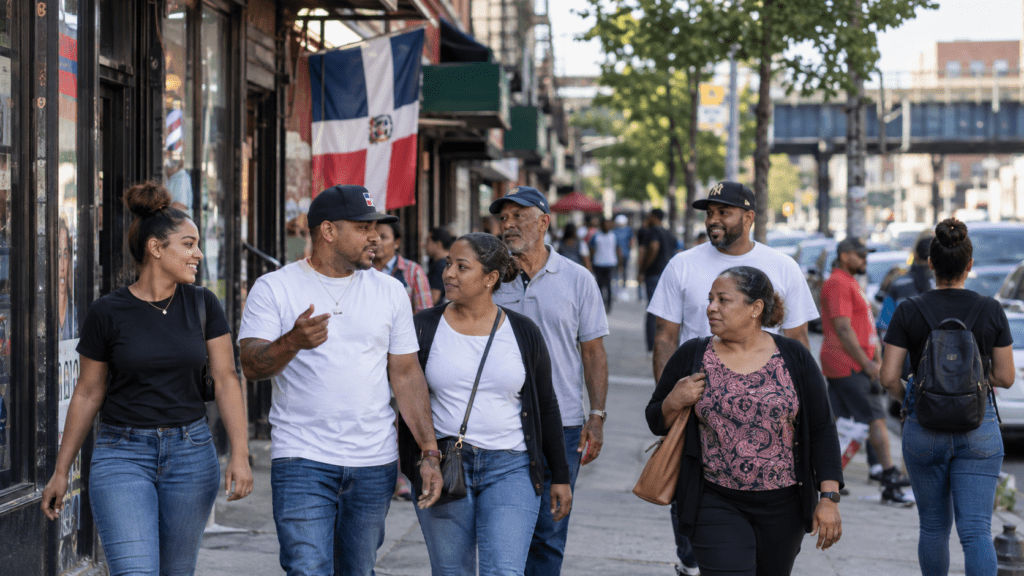
The population of Dominican immigrants in the United States without authorized immigration status increased by about 30% between 2019 and 2023, according to estimates from the Migration Policy Institute (MPI).
MPI estimated that approximately 213,000 Dominican immigrants were in the country without authorized status by mid-2023, up from 164,000 four years earlier. The increase comes within a broader profile of the Dominican community in the United States that also highlights differences in English proficiency, educational attainment, naturalization and household income.
Dominicans Represent the Largest Caribbean Group
MPI estimated that about 13.7 million immigrants in the United States were living without authorized immigration status in mid-2023. Approximately 575,000, or 4%, originated from Caribbean countries.
Dominicans represented the largest group within that Caribbean population. Haitians accounted for 31%, followed by Cubans at 15% and Jamaicans at 10%, according to the institute’s estimates.
The figures place the Dominican community within a wider Caribbean migration pattern in the United States, while also highlighting differences among national-origin groups in areas such as language, education and economic circumstances.
English Proficiency Remains a Challenge
Language was one of the areas where Dominican immigrants showed a higher share of limited English proficiency than Caribbean immigrants overall. In 2024, 63% of Dominican immigrants age 5 and older reported speaking English less than “very well,” compared with 46% of Caribbean immigrants as a whole.
Dominicans and Cubans, at 67%, were among the Caribbean-origin groups with the highest proportions of people reporting limited English proficiency. For Dominican immigrants, language ability can be particularly relevant to access to education, employment and other services in the United States.
Education and Naturalization Show a Mixed Picture
Educational attainment among Dominican immigrants was below the Caribbean average in 2024. MPI found that 19% of Dominican immigrants age 25 and older held a bachelor’s degree or higher, compared with 25% among Caribbean immigrants overall.
Trinidadian and Tobagonian immigrants had one of the highest rates of university-level education in the region, at 31%, followed by Jamaicans at 30%.
At the same time, Dominican immigrants accounted for an important share of Caribbean students enrolled in U.S. higher education. During the 2023-2024 academic year, about 11,800 Caribbean students were enrolled in undergraduate or graduate programs in the United States. Approximately 1,500 were born in the Dominican Republic, behind Jamaica, with 3,200 students, and the Bahamas, with 2,500.
Naturalization Is Relatively High, but Income Lags
The MPI profile also shows a comparatively high rate of U.S. citizenship among Caribbean immigrants. In 2024, about 60% of Caribbean immigrants were naturalized U.S. citizens, compared with 51% of immigrants overall.
Among Dominican immigrants, the naturalization rate was 57%, placing the community close to the broader Caribbean figure and above the rate for immigrants in the United States as a whole.
Economic indicators, however, were less favorable. The median household income for Dominican immigrants was $53,400 in 2024, below the $66,500 median for Caribbean immigrants overall.
Poverty was also more prevalent among Dominican immigrants. About 20% lived below the poverty line in 2024, compared with 16% of Caribbean immigrants as a whole.
Taken together, the figures portray a Dominican immigrant population that has grown substantially while showing a mixed socioeconomic profile: a relatively high naturalization rate alongside lower household incomes, a significant gap in reported English proficiency and a lower share of adults with bachelor’s degrees or higher than the Caribbean average.