 22°C
22°C

Dominican Republic Dengue Cases Reach 224 in 2026
The Dominican Republic recorded two new dengue cases last week, bringing the year's total to 224, while malaria, maternal deaths and infant mortality continued to show declines, according to the latest epidemiological bulletin.


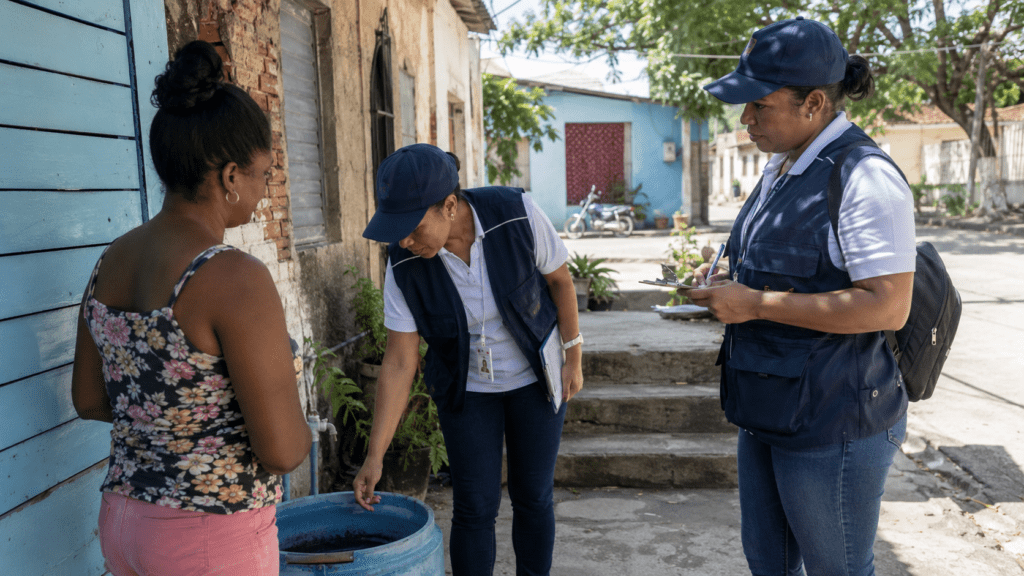
The Dominican Republic recorded two new dengue cases during epidemiological week 30, bringing the country’s cumulative total to 224 confirmed infections this year. Health authorities said the figure remains within the expected range for the season and urged households and communities to continue eliminating mosquito breeding sites.
The Ministry of Public Health also reported stable conditions for several other diseases monitored nationally. No new malaria cases were confirmed during the week, while two new cases of leptospirosis were recorded. Cholera has not been reported so far this year, and respiratory viruses remain within the expected range, with four confirmed COVID-19 cases identified during the latest monitoring period.
Dengue Prevention Remains Focused on Mosquito Breeding Sites
Health authorities emphasized that removing standing water and other mosquito breeding sites remains the most effective way to limit transmission of dengue. The recommendation applies both to individual homes and to surrounding community areas, where containers and other sources of stagnant water can allow mosquitoes to reproduce.
The latest figures come as the country continues monitoring mosquito-borne diseases during the current season. Although the accumulated dengue total has reached 224 cases, the ministry said the number remains within the expected range for this period.
Malaria Cases Down 82% From 2025
Malaria showed a sharper improvement compared with the same period last year. No new cases were confirmed during week 30, leaving the accumulated total at 126 reported cases and representing an 82% decline from the 687 cases recorded at the same point in 2025.
The malaria incidence rate currently stands at 1.98. The decline places the disease among the indicators showing a marked improvement compared with last year’s levels, although health authorities continue to monitor transmission as part of the country’s epidemiological surveillance system.
Leptospirosis Cases Rise While Cholera Remains at Zero
Two new leptospirosis cases were reported during the week, bringing the year’s cumulative total to 260 and the incidence rate to 4.09. The disease can be associated with exposure to environments contaminated by infected animals, making sanitation and environmental conditions important elements of prevention.
Cholera, by contrast, has recorded no cases so far this year, according to the bulletin.
Respiratory Viruses Remain Under Control
The country’s respiratory virus surveillance showed stable conditions during the latest reporting period. The bulletin placed activity within the success zone of the endemic corridor, indicating that monitored respiratory infections remain at comparatively controlled levels.
Four confirmed COVID-19 cases were identified as part of the surveillance. The figures are being monitored alongside other respiratory viruses rather than being presented as a separate outbreak.
Maternal and Infant Mortality Continue to Decline
The epidemiological bulletin also recorded three maternal deaths during week 30. Two involved Dominican women and one involved a Haitian woman, bringing the annual total to 76 maternal deaths.
That figure is below the 105 maternal deaths recorded at the same point last year, a reduction of 29 deaths compared with the 2025 total for the corresponding period.
Infant mortality also showed improvement. Forty infant deaths were reported during the week, including 33 neonatal deaths. The cumulative number of infant deaths reached 1,049, compared with 1,134 recorded by the same point last year.
Public Health Advice Focuses on Chronic Disease Prevention
Alongside its infectious-disease surveillance, the Ministry of Public Health urged residents to maintain habits that can reduce the risk of chronic conditions. Excessive consumption of salt, saturated fats and processed foods can contribute to weight gain and increase the risk of high blood pressure, while a sedentary lifestyle, alcohol and tobacco use, and chronic stress can also negatively affect health.
The ministry recommends a balanced diet that includes vegetables, lean meats or other protein sources, complex carbohydrates and adequate water intake. It also emphasizes sufficient sleep, regular exercise and attention to mental health as part of a broader approach to preventing obesity, diabetes, hypertension and cardiovascular disease.
The combination of infectious-disease surveillance and chronic-disease prevention reflects the broader range of health risks monitored by Dominican authorities. While dengue remains within the expected seasonal range and malaria has declined substantially from last year, the latest figures continue to underscore the importance of household prevention, healthy habits and ongoing public-health monitoring.