 22°C
22°C

Dominican Republic Malaria Cases Fall Nearly 82% in 2026
Malaria transmission in the Dominican Republic has dropped sharply in 2026, with 133 confirmed cases and no deaths recorded through epidemiological Week 33, according to the Ministry of Public Health.


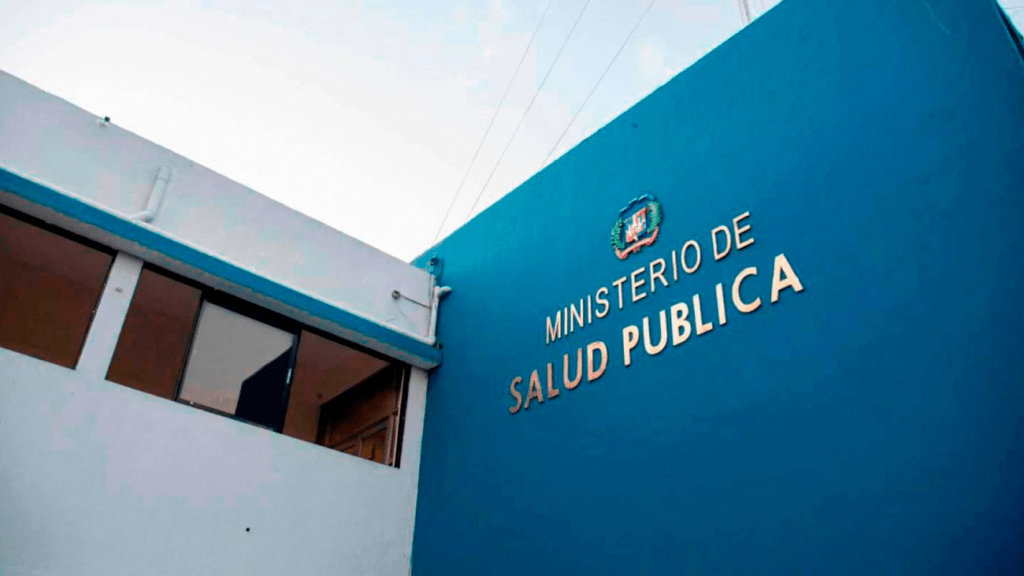
The Dominican Republic has recorded zero malaria deaths in 2026, while the number of confirmed cases has fallen by nearly 82% compared with the same period last year. The figures, reported through epidemiological Week 33, point to a substantial reduction in transmission as health authorities continue surveillance and mosquito-control efforts.
The country has registered 133 malaria cases so far this year, compared with 712 through the equivalent period in 2025. The incidence rate has consequently declined from 10.44 cases per 100,000 inhabitants last year to 1.90 in 2026. Three additional cases were reported during Week 33.
Transmission Remains Concentrated in Several Provinces
Despite the national decline, malaria transmission remains concentrated in rural communities, particularly those linked to agricultural activity and population movement. Azua continues to account for the largest share of cases, with 77 infections this year, down substantially from the 386 recorded during the same period in 2025.
San Juan de la Maguana, in the southwestern Dominican Republic, has reported 39 cases in 2026, compared with 279 a year earlier. La Altagracia has recorded nine cases, including all three infections reported during Week 33. Santiago has reported two cases, while Santo Domingo, Elías Piña and Monte Cristi have each recorded one.
Surveillance and Mosquito Control Continue
Public health authorities have attributed the decline to stronger epidemiological surveillance, vector-control measures and targeted interventions in areas considered at higher risk. These efforts focus on reducing transmission and addressing mosquito breeding sites, particularly in communities where environmental and population conditions can facilitate the spread of malaria.
The Dominican Republic is also participating in regional and international malaria-elimination efforts with the World Health Organization (WHO) and the Pan American Health Organization (PAHO/WHO). The initiatives include measures aimed at eliminating mosquito breeding sites and reinforcing prevention strategies.
For residents and international visitors, the latest figures indicate that malaria transmission is substantially lower nationally than it was a year ago. The concentration of cases in specific rural areas, however, means that transmission has not been eliminated and continued surveillance remains part of the country’s public health response.
Other Diseases Also Monitored
The same Week 33 epidemiological bulletin reported zero cholera cases. Leptospirosis had reached 272 confirmed cases, while nine dengue infections were reported during the week, bringing the 2026 dengue incidence rate to 3.96 cases per 100,000 inhabitants.
Health indicators also showed declines in reported maternal and infant deaths. The country recorded 87 maternal deaths through Week 33, compared with 116 during the same period in 2025. Infant deaths totaled 1,180, down from 1,248 a year earlier, a reduction of about 5%.
The malaria figures nevertheless remain closely tied to conditions in the communities where transmission persists. Continued surveillance, vector control and targeted prevention will remain important as Dominican health authorities seek to sustain the decline and move closer to eliminating local malaria transmission.