 30°C
30°C

Dominican Republic Evaluates Nuclear Energy for Future Power Needs
The Dominican Republic is evaluating nuclear energy as a potential addition to its electricity generation system as the government seeks to diversify the power mix and support economic expansion over the next 15 years.


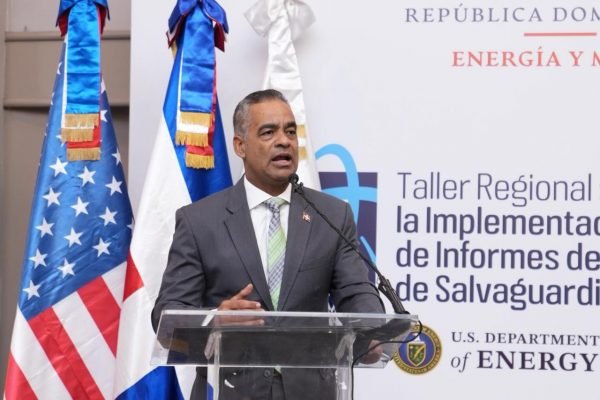
The Dominican Republic is considering the incorporation of nuclear energy into its electricity generation system, according to Energy and Mines Minister Joel Santos, who linked the discussion to the country’s long-term economic growth plans and rising demand for power.
Santos said the government aims to double the size of the Dominican economy over the next 15 years. Reaching that objective, he argued, will require new energy sources that are secure and reliable, along with greater diversification of the country’s generation mix.
Nuclear Energy Enters the Long-Term Energy Discussion
The minister made the remarks during a regional workshop held in Santo Domingo focused on the implementation and reporting requirements established under the Additional Protocol for nuclear safeguards. The meeting brought together representatives from Latin American countries to strengthen technical capabilities related to nuclear oversight.
For the Dominican Republic, the discussion comes as authorities seek alternatives to support sustained electricity demand and broader economic development. Nuclear generation is therefore being considered within a wider strategy aimed at expanding and diversifying the country’s energy options rather than as an immediate replacement for existing sources.
Gaddis Corporán, the Dominican vice minister of Nuclear Energy, said the regional meeting provides an opportunity for participating countries to exchange experiences, identify good practices and discuss technical challenges. He also highlighted the importance of strengthening knowledge and coordination among institutions involved in nuclear-related activities.
Safeguards and Peaceful Nuclear Use
The workshop also addressed the Additional Protocol, an instrument that expands the verification capabilities of the International Atomic Energy Agency, or IAEA, regarding whether nuclear materials and activities are being used exclusively for peaceful purposes.
Representatives from participating countries exchanged experiences on implementing the protocol and providing information to the international organization. These safeguards are part of the institutional and technical framework that countries must address when developing peaceful nuclear capabilities.
For the Dominican Republic, the government’s interest in nuclear energy is tied to the broader challenge of meeting future electricity needs while reducing dependence on a narrower group of generation sources. Any eventual incorporation of nuclear power would therefore represent a long-term development of the country’s energy infrastructure.
The government has placed diversification of the energy matrix among its priorities as electricity demand continues to grow. The nuclear option remains part of that evaluation as the Dominican Republic considers how to secure the power supply needed to sustain economic expansion in the years ahead.