 23°C
23°C

Why Plantains Are So Important In Dominican Cuisine
Plantains are important in Dominican cuisine because they combine everyday practicality, local agricultural production, culinary versatility, and cultural identity. They can be boiled, mashed, fried, or incorporated into traditional dishes, making them one of the most familiar foods on the Dominican table. The Dominican Republic’s Ministry of Foreign Affairs describes plantains as the country’s principal vívere—a category of starchy foods that can serve as a main dish or substitute for bread—and notes that they are eaten every day or almost every day in one form or another.


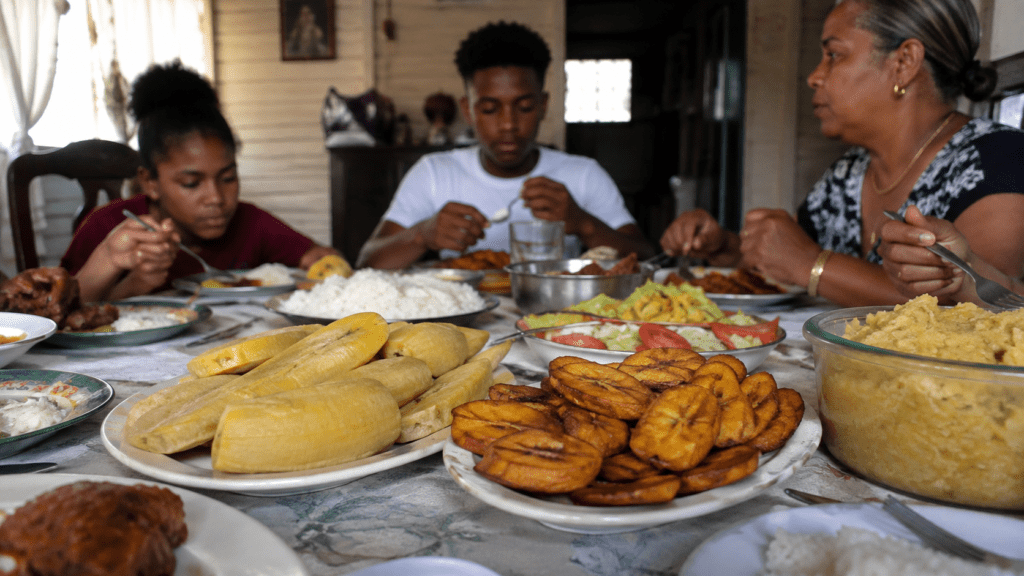
For many visitors, the importance of plantains in Dominican cuisine becomes obvious after seeing how often they appear on the table. But the plantain is more than a popular side dish. It occupies an unusual position in Dominican food culture because it connects agriculture, household cooking, affordability, traditional recipes, and cultural identity.
Unlike the sweet bananas commonly eaten raw, plantains are generally treated as a cooking staple. They can be prepared while green or after ripening, producing very different flavors and textures. In the Dominican Republic, that flexibility has allowed the same basic ingredient to appear in breakfasts, lunches, dinners, snacks, and festive meals. The Ministry of Foreign Affairs identifies plantains as the country’s principal vívere, a broad category of starchy foods that also includes cassava, yams, sweet potatoes, and taro.
Plantains Are Part Of The Everyday Dominican Diet
The simplest reason plantains matter so much is that Dominicans eat them frequently. Government information on Dominican gastronomy describes plantains as the most important of the country’s víveres and says they are consumed every day, or almost every day, in different forms. They may appear as a principal food, as a side dish, or as an alternative to bread.
This everyday presence distinguishes the plantain from ingredients that are associated mainly with special occasions. A Dominican family does not need a celebration to prepare plantains. They can form part of an ordinary breakfast, accompany a lunch, or become a simple dinner. Their familiarity has made them part of the rhythm of domestic cooking rather than merely an emblematic national food.
Why Plantains Work So Well In Dominican Cooking
Plantains are exceptionally versatile. When green, they are firm and starchy, which makes them suitable for boiling, frying, and mashing. When ripe, their natural sugars become more pronounced and they can be fried or cooked to produce a softer, sweeter accompaniment.
That range gives Dominican cooks several ways to use the same ingredient without making meals taste identical. Preparation changes the character of the plantain: boiling produces a soft and relatively neutral food, mashing creates a substantial base, while frying produces a crisp exterior and a different texture.
This versatility also helps explain why plantains can accompany very different foods. They work alongside eggs and cheese at breakfast, meats and stews at lunch, and seafood or other savory preparations at dinner. The ingredient is therefore not tied to one particular meal or cooking technique.
Mangú Shows The Cultural Importance Of Plantains
Perhaps the clearest example is mangú, made by boiling green plantains and mashing them into a soft preparation. It is commonly associated with breakfast and can be served with fried eggs, Dominican-style salami, fried cheese, and onions.
The dish is particularly important because it demonstrates how a relatively simple staple can become a cultural reference point. Research on Dominican foodways has connected mangú with wider culinary traditions of West and Central Africa and with the transformations that occurred as African food practices spread through the Americas.
The exact history of the word mangú is more complicated than the popular story that it originated from the English expression “man, good” during the U.S. occupation. That explanation circulates widely, but academic discussions of Dominican food culture emphasize broader African and Caribbean culinary connections rather than treating the popular story as an established origin.
Mangú therefore illustrates something important about Dominican cuisine: its identity was formed through cultural encounters rather than through a single culinary source. The plantain became one of the ingredients through which those influences were incorporated into everyday Dominican cooking.
Tostones Turn The Plantain Into A Different Kind Of Food
Tostones are another major expression of the plantain’s versatility. Green plantains are cut into pieces, fried, flattened, and fried again. The result is crisp on the outside and substantial inside.
Tostones are commonly served as an accompaniment to meat, chicken, fish, seafood, and other savory dishes. They can also appear as a snack or appetizer. Their popularity demonstrates why the plantain is so useful: one agricultural product can provide an entirely different eating experience simply through a change in preparation.
The Ministry of Foreign Affairs specifically identifies both mangú and tostones among the principal ways plantains are consumed in the Dominican Republic.
Plantains Also Appear In More Elaborate Dishes
Plantains are not limited to simple preparations. They can become part of dishes in which several ingredients and cooking traditions come together.
Mofongo, for example, is made from fried green plantains that are mashed, traditionally with garlic and pork cracklings, and shaped before being served with other ingredients or a broth. Although mofongo is strongly associated with Puerto Rican cuisine, it is also part of Dominican culinary culture.
Plantains can also be incorporated into soups, stews, and mixed dishes. The Dominican Ministry of Foreign Affairs notes that pieces of starchy víveres, including plantains, are important components of sancocho, one of the country’s best-known traditional stews.
The Plantain Is Closely Connected To Dominican Agriculture
The plantain’s culinary importance is also connected to its role as an agricultural crop. Dominican agricultural statistics have long recorded plantains separately among the country’s major crops. For example, the National Office of Statistics reported substantial areas devoted to plantain cultivation in its agricultural data for 2018.
Plantain production has also evolved technologically. The Food and Agriculture Organization has documented changes in Dominican plantain production, including the adoption of higher-density planting, irrigation, improved planting material, and varieties used for both fresh markets and processing. The organization also notes that plantains are consumed primarily unripe in the Dominican Republic, an important distinction from the way bananas are commonly eaten in many countries.{index=9}
This agricultural connection matters culturally. When an ingredient is produced domestically and is routinely available in local markets, it becomes easier for households to build everyday meals around it. The plantain’s role on the Dominican table is therefore reinforced by its role in the country’s agricultural system.
Plantains Became A Practical Staple
Plantains are also useful because they are a substantial source of starch. This made them well suited to meals in which a filling carbohydrate was needed alongside meat, beans, vegetables, or other foods.
Historical descriptions of Dominican agriculture have similarly identified plantains and other starchy crops as important staples, noting their abundance, relatively low cost, and frequent consumption.
That practicality helps explain why the plantain developed beyond the status of a specialty ingredient. It could feed a household while also providing enough culinary flexibility to be prepared in different ways. Over generations, practical food choices can become cultural traditions, and the Dominican plantain is a strong example of that process.
Plantains Reflect The African Influence On Dominican Food
The story of the plantain in Dominican cuisine cannot be separated completely from the history of African food traditions in the Caribbean. Culinary research has identified similarities between Dominican preparations such as mangú and related mashed-starchy-food traditions found in West and Central Africa and elsewhere in the African diaspora.
This does not mean that Dominican plantain dishes can be reduced to an African origin story. Dominican cuisine developed through the interaction of Indigenous Caribbean ingredients and practices, Spanish colonial influences, African traditions, and later contributions from other immigrant communities. The Library of Congress’s research guide on Dominican food culture highlights the range of cultural influences that have shaped the country’s cuisine.
The plantain is significant precisely because it sits within that larger history. Its importance reflects not just what Dominicans eat, but how culinary traditions were adapted and transformed over centuries.
Why The Plantain Became A Symbol Of Dominican Identity
Food becomes culturally important when it moves beyond the kitchen and becomes part of how people understand home, family, and belonging. Plantains have reached that level in Dominican culture.
Research on Dominican food culture has described mangú and other plantain-based foods as markers of Dominican identity, particularly among Dominican communities outside the country. In New York, for example, foods such as mangú can take on additional meaning as symbols of Dominican belonging and cultural continuity.
This is one reason the plantain can be especially meaningful to Dominicans living abroad. Eating mangú, tostones, or another familiar plantain dish can reproduce an everyday connection with Dominican family life even when the person is thousands of miles from the island.
Plantains Are Not Simply A Side Dish
For an international visitor, it can be tempting to think of plantains as the Dominican equivalent of a garnish or occasional accompaniment. That understates their importance.
In Dominican cooking, plantains can occupy several roles at once: staple carbohydrate, main component of a dish, accompaniment, breakfast food, snack, and cultural symbol. The country’s official cultural description explicitly notes that víveres can function as either accompaniments or principal foods, with plantains occupying the leading position among them.
That distinction is important when trying to understand Dominican food. A plate containing rice, beans, meat, and plantains is not simply a collection of unrelated foods. It reflects a culinary system in which starchy staples are central to how meals are structured.
Green And Ripe Plantains Serve Different Purposes
Another reason the plantain is so valuable is that its culinary possibilities change as it ripens.
- Green plantains are firm and starchy and are particularly suited to boiling, mashing, and frying.
- Ripe plantains become softer and sweeter, making them suitable for preparations in which their natural sweetness is desirable.
- Different cooking methods produce substantially different textures, allowing the ingredient to accompany a wide variety of meals.
This means that plantains do not represent a single flavor in Dominican cuisine. Their role changes according to ripeness and preparation, giving cooks a broad range of possibilities from one basic crop.
What The Plantain Says About Dominican Cuisine
The plantain’s importance ultimately comes from the combination of several factors rather than one single reason. It is widely consumed, locally cultivated, versatile in the kitchen, useful as a filling staple, and deeply embedded in culinary traditions that reflect the Dominican Republic’s complex history.
It also demonstrates how national cuisines are formed. A food does not become culturally important simply because it is traditional. It becomes important when generations of people incorporate it into ordinary meals, adapt it to different circumstances, teach its preparation within families, and associate it with memories of home.
That is why dishes such as mangú and tostones matter beyond their ingredients. They are recognizable expressions of a broader food culture in which the plantain has become one of the most dependable foundations of the Dominican table.
Frequently Asked Questions
Why do Dominicans eat so many plantains?
Plantains are a widely consumed staple in the Dominican Republic. They are locally produced, filling, versatile, and suitable for several cooking methods. The country’s Ministry of Foreign Affairs describes plantains as the principal vívere and says they are eaten every day or almost every day in one form or another.
What is the most famous Dominican plantain dish?
Mangú is among the best-known Dominican plantain dishes. It is made from boiled green plantains that are mashed and is commonly served with combinations of eggs, cheese, salami, and onions.
Are plantains and bananas the same?
They belong to the same broader banana family, but plantains are generally treated as a cooking staple rather than eaten raw like many dessert bananas. FAO describes plantains as large, starchy fruits that are normally cooked before eating.
Why are plantains important beyond food?
Plantains have become associated with Dominican family life, agriculture, culinary traditions, and national identity. Their role becomes particularly visible among Dominican communities abroad, where plantain-based dishes can function as symbols of cultural belonging.
What is the difference between mangú and tostones?
Mangú is made by boiling and mashing green plantains. Tostones are made by frying pieces of green plantain, flattening them, and frying them again. Both begin with the same staple but produce very different textures and eating experiences.