 30°C
30°C

Man Accused Of Las Americas Airport Bomb Hoax Faces Trial
Dominican prosecutors are seeking a full trial for a man accused of making a false bomb threat involving a Copa Airlines flight, triggering emergency procedures and temporarily disrupting operations at Las Americas International Airport.


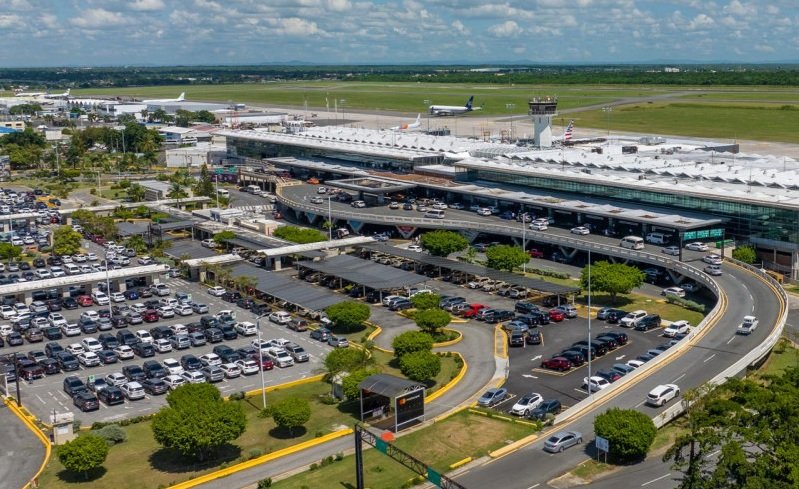
The Dominican Republic’s Public Prosecutor’s Office has asked a court to send Ángel del Pino Cuya, also identified as Ricardo Casas, to trial over an alleged false bomb threat that disrupted operations at Las Americas International Airport (AILA) in Santo Domingo Este.
The request was submitted to the coordinating office of the Investigative Courts in Santo Domingo Este. Prosecutors allege that the incident compromised airport security, forced an aircraft to return while in flight and temporarily suspended air operations at one of the Dominican Republic’s main international airports.
False Threat Triggered Airport Emergency Procedures
According to the prosecution, the incident occurred on January 6, 2026, when the defendant allegedly made a telephone call falsely reporting an explosive device aboard Copa Airlines flight CM-299.
The warning prompted airport authorities to activate contingency plans designed for potential security threats. The response included ordering the aircraft to return and implementing extensive security procedures. Prosecutors said the alert also led to flights being diverted to other terminals and required extraordinary institutional measures.
The prosecution is seeking a full trial on alleged violations of Law 188-11 on Airport Security and Civil Aviation and Law 267-08 on Terrorism.
Prosecutors Present Digital And Telephone Evidence
The case is supported by several categories of evidence, including testimony, documents, forensic examinations, physical evidence and procedural records gathered during the investigation.
Among the key pieces of evidence is a recording of the call made to Aerodom’s customer service center through Amazon Connect. Investigators preserved the recording and later produced a transcript of the communication.
Telecommunications companies also provided certifications that investigators used to trace the origin of the call and connect the telephone number involved with the device allegedly used by the defendant.
Technical reports from Aerodom, the Information Technology Crimes Division (DIDI) of the National Intelligence Directorate, and the Specialized Airport Security and Civil Aviation Corps (Cesac) document the emergency response and the operational effects attributed to the false alert.
Forensic Analysis Links Phone To The Call
A central part of the prosecution’s case is a forensic examination of the mobile phone allegedly seized from Del Pino Cuya when he was arrested. Investigators recovered records and metadata that, according to prosecutors, corroborated that a call had been made to AILA’s customer service number on the day of the incident.
The prosecution incorporated the corresponding forensic reports into the case, arguing that the information connects the seized device to the communication that triggered the airport’s security response.
Investigators also commissioned a forensic acoustic examination by specialists from the Scientific Police. Prosecutors say the analysis concluded that the voice recorded during the call corresponds to Ángel del Pino Cuya, which they consider further evidence linking the defendant to the alleged false warning.
Defendant Remains In Preventive Detention
Del Pino Cuya is currently being held in preventive detention at the Las Parras Correctional and Rehabilitation Center in the municipality of San Antonio de Guerra, Santo Domingo province.
The request for a full trial now places the evidence collected during the investigation before the judicial process that will determine whether the case proceeds to trial and, ultimately, whether the allegations against the defendant are proven in court.