 23°C
23°C

Dominican Republic Drops Rice Import Tariffs After U.S. Request
The Dominican Republic has repealed the tariff regime governing rice imports, removing the 20% and 99% duties that had applied under a 2024 decree following a request from U.S. trade officials.


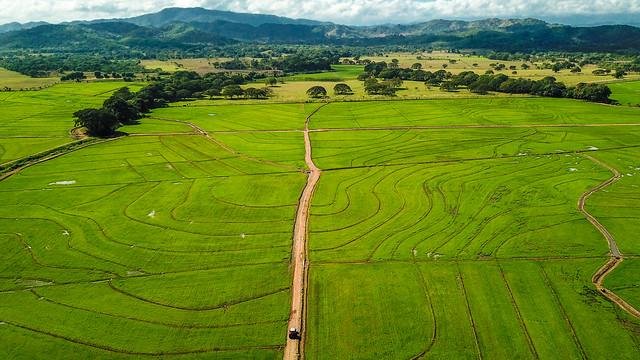
President Luis Abinader has repealed the Dominican Republic’s special tariff regime for rice imports, removing the measures that had imposed duties of up to 99% on rice entering the country. The change was enacted through Decree 635-26, issued on September 9, 2026, and comes amid discussions with the United States over agricultural market access under the Dominican Republic-Central America-United States Free Trade Agreement (DR-CAFTA).
The new decree fully repeals Decree 693-24, which had established the previous tariff structure for rice in December 2024. That regime was designed to protect domestic rice production while maintaining specific import access for foreign suppliers.
U.S. Officials Sought Removal of Rice Restrictions
The repeal followed a request from U.S. trade officials, including Deputy United States Trade Representative Jeffrey Goettman and chief agricultural negotiator Julie Callahan. During discussions with Dominican authorities, the U.S. delegation argued that the tariffs restricted access for American rice and conflicted with market-access commitments under DR-CAFTA.
The decision therefore changes the framework governing rice imports at a time when the Dominican Republic and the United States are addressing broader trade issues. The measure also removes the specific tariff treatment that had distinguished rice from the United States and Nicaragua under the 2024 decree.
What the Previous Rice Tariff Regime Established
Decree 693-24 applied a 20% ad valorem tariff to rice imports within the applicable tariff quota and a 99% tariff to volumes outside the quota. For U.S. rice, the measure established a preferential quota of 23,300 metric tons that could enter the Dominican market at a zero tariff.
Once that preferential quota was exceeded, U.S. rice was subject to the 99% most-favored-nation tariff. Rice originating in Nicaragua was also subject to a 99% tariff under the same framework.
The 2024 regime had been adopted following a recommendation from the National Council for Food Sovereignty and Nutritional Security (CONASSAN), the body responsible for coordinating national policies related to food security. Its stated purpose was to support domestic rice production and safeguard food supplies.
Change Comes as Trade Talks Continue
With Decree 635-26 now in effect, the previous rice-specific tariff measures are no longer in force. The Executive Branch instructed the Ministry of Finance and Economy, the Ministry of Agriculture, the Ministry of Industry, Commerce and MSMEs, the General Directorate of Customs and CONASSAN to take the necessary steps to implement the decision.
The repeal marks a significant change for the Dominican rice market because the 2024 framework had placed a substantial tariff barrier on imports beyond established quotas. At the same time, the Dominican Republic has a large domestic rice sector that has been a central consideration in previous government policy on food security and agricultural protection.
The new policy leaves the country with a different import framework as trade discussions with the United States continue. For importers, agricultural businesses and other participants in the food market, the removal of the previous duties changes the conditions under which rice from international suppliers can compete in the Dominican market.