 22°C
22°C

Dominican Republic Launches 2026 Building Supply Registry
The Dominican Republic's National Statistics Office has launched the first 2026 edition of its Building Supply Registry, a nationwide effort focused on mapping construction projects across Greater Santo Domingo and strengthening data available for urban planning and housing policy.


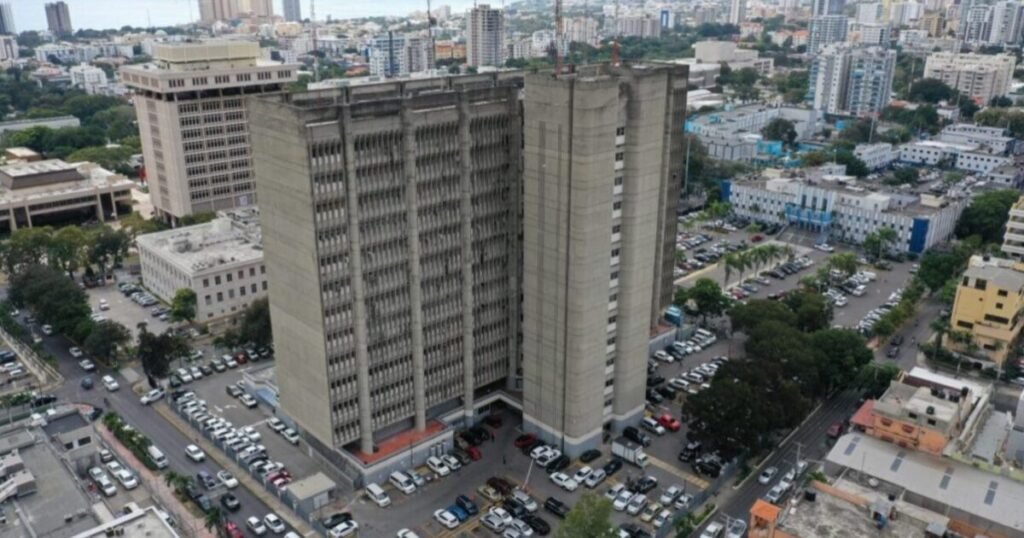
The National Statistics Office (ONE) has begun the first edition of the 2026 Building Supply Registry (ROE), an operation designed to collect strategic information on construction activity across the urban area of Greater Santo Domingo.
The fieldwork runs from April 21 through June 9 and identifies buildings at four different stages: planned, under construction, stalled and completed. The resulting data is intended to give public authorities and private-sector decision-makers a clearer picture of the area’s building pipeline.
Registry Covers Greater Santo Domingo
The operation covers the entire urban area of Greater Santo Domingo, including the National District and the municipalities of Santo Domingo Este, Santo Domingo Norte, Santo Domingo Oeste, Los Alcarrizos, Pedro Brand, Boca Chica and San Antonio de Guerra.
By distinguishing projects according to their stage of development, the registry can provide a more detailed view of construction activity than figures based solely on completed buildings. The information can also help identify projects that have been delayed or remain at the planning stage.
The initiative is being carried out with the Ministry of Housing and Buildings (Mived) and the Dominican Association of Home Builders and Developers (Acoprovi). The collaboration is aimed at improving the availability of data on construction dynamics in the metropolitan area.
Data To Support Housing And Urban Planning
ONE said the information collected through the ROE will support the formulation of public policies, private-sector decision-making and monitoring of national and international commitments related to housing and urban development.
For a rapidly expanding metropolitan area such as Greater Santo Domingo, updated information on planned and active projects can help authorities better understand where construction is taking place and how the building pipeline is evolving. The registry is also intended to contribute to more organized urban development and planning.
The operation is aligned with the objectives of the National Development Strategy 2030 and the Sustainable Development Goals, particularly those related to access to adequate housing and basic services.
ONE Emphasizes Security And Data Confidentiality
ONE said personnel conducting the fieldwork will be clearly identified with institutional identification cards, helmets and reflective vests. The measures are intended to provide greater security and transparency while teams collect information throughout the metropolitan area.
The statistical agency also emphasized that the information gathered will remain confidential under Law 5096 on National Statistics and Censuses. The confidentiality provision is intended to encourage cooperation from citizens and construction-sector participants during the data-collection process.
Once completed, the registry will provide an updated statistical reference on buildings at different stages of development across Greater Santo Domingo. The information is expected to strengthen the evidence available for decisions involving housing, construction and the long-term organization of the metropolitan area.