 27°C
27°C

Flor de Xamayca Begins $18 Million Santiago Expansion
Flor de Xamayca, a company operating in the Dominican Republic's tobacco industry, has begun construction of a new free-zone industrial park in Tamboril, Santiago, with an investment of about $18 million expected to expand production and increase direct employment from 350 to roughly 1,500 workers.


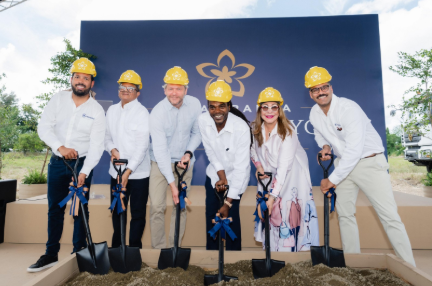
Flor de Xamayca, a company operating in the Dominican Republic’s tobacco industry, has begun construction of a new free-zone industrial park in Tamboril, Santiago, backed by an investment of approximately $18 million. The project is expected to expand the company’s production capacity and increase its direct workforce from 350 to about 1,500 employees once completed.
The development will cover 27,500 square meters and include nine industrial projects, with nearly 15,000 square meters allocated to industrial buildings. The expansion adds manufacturing capacity in Tamboril, a municipality in Santiago province known for its role in the country’s tobacco industry.
Expansion Expected to Add More Than 1,100 Jobs
The projected increase in employment is one of the most significant local effects of the investment. Flor de Xamayca currently has about 350 direct employees, while the completed development is expected to support a workforce of approximately 1,500, representing more than 1,100 additional direct positions.
José Céspedes, general manager of Tabacalera del Xamayca and operations director of Flor de Xamayca, said the investment will allow the company to increase production while creating new opportunities for residents of Tamboril.
“With these 18 million dollars, we are not only expanding our production capacity; we are multiplying opportunities for the people of Tamboril,” Céspedes said during the groundbreaking ceremony.
Industrial Park Will Include Nine Projects
The planned complex will comprise nine industrial projects within its 27,500-square-meter footprint. Nearly 15,000 square meters will be dedicated to industrial buildings, providing additional space for manufacturing operations as the company expands.
The infrastructure plans include a fire-protection network designed in accordance with NFPA standards, along with a specialized wastewater treatment system for tobacco-industry operations. The project will also incorporate video surveillance, exterior lighting and provisions for telecommunications and fiber-optic connectivity.
Grupo CAC (Constructora, Arquitectos, Civiles) is responsible for the design, while Grupo Pedreira will carry out the construction. The infrastructure is being planned around the operational requirements of the industrial activities to be housed within the development.
Investment Highlights Confidence in Dominican Industry
Michael Robinson, the project’s owner, thanked the local community, employees and Dominican authorities for their support and highlighted the company’s confidence in the Dominican Republic as it continues to expand its operations.
Santiago Governor Rosa Santos also highlighted government support for the development of free zones and the tobacco industry. Johannes Kelner, executive director of the National Council of Free Export Zones (CNZFE), described the investment as evidence of foreign investors’ confidence in the Dominican Republic.
Free zones are an important part of the country’s export-oriented industrial sector, allowing companies to operate within a framework designed to support manufacturing and international trade. The new development therefore adds to the industrial capacity of Santiago while reinforcing the economic role of tobacco manufacturing in Tamboril.
For the local economy, the project combines a substantial private investment with an expected increase in formal employment. Its eventual workforce of about 1,500 direct employees would represent a significant expansion from Flor de Xamayca’s current employment base.
As construction progresses, the development will add new industrial facilities and production capacity to Tamboril. Once completed, Flor de Xamayca expects the expansion to support its broader operations while increasing employment opportunities in Santiago province.