 23°C


Beyond the All-Inclusive: 10 Unexpected Realities of a Dominican Republic Vacation
A vacation in the Dominican Republic can look very different depending on where travelers go, whom they meet and how far they venture from the resort. The country offers an experience shaped by lively public spaces, distinctive food traditions, a strong connection to baseball, regional celebrations and a pace of life that does not always match a tightly scheduled holiday. For international visitors, these ten discoveries offer a different perspective on what makes a trip memorable, ranked from the most striking to the more subtle.


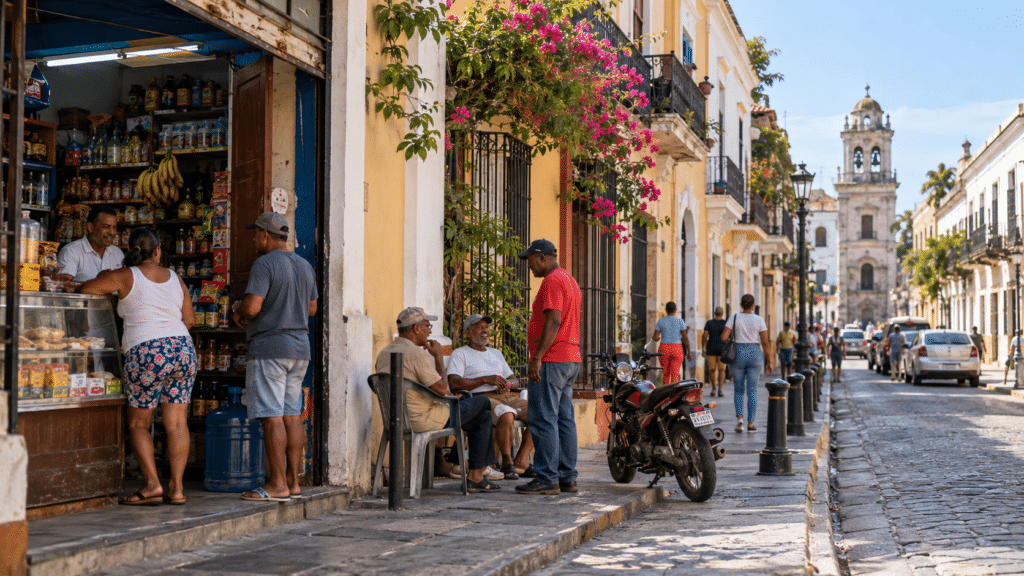
The Dominican Republic has built an international reputation around its Caribbean coastline, but a vacation here can reveal much more than a collection of beaches and resort pools. Everyday life brings together local traditions, modern influences, regional identities and social customs that visitors may not encounter during a conventional package holiday.
Some of the most interesting discoveries happen unexpectedly: during a stop at a roadside food stand, a conversation with a local resident or an evening when a neighborhood celebration changes the atmosphere of an entire street. These experiences can help travelers understand the country beyond its familiar tourist image.
1. The Country Has Several Distinct Personalities, Depending on Where You Go
The Dominican Republic is not a single, uniform vacation destination. Santo Domingo combines a historic colonial district with a busy modern capital, while Santiago offers a different perspective on urban life and the Cibao region. Coastal communities, agricultural towns and mountain destinations each have their own character.
Travelers who spend their entire stay in one resort area may experience only a narrow slice of this diversity. A visit to the capital, a journey into the interior or an overnight stay in another region can introduce different architecture, local dishes, landscapes and ways of spending free time.
For visitors with enough time, choosing two contrasting destinations can make a trip feel more varied without requiring an ambitious cross-country itinerary.
2. A Plate of Food Can Tell You More Than a Restaurant Menu
Dominican food is often best understood through the meals people eat at home and in everyday neighborhood establishments. Beyond internationally familiar hotel menus, visitors can discover dishes that reflect local ingredients, family traditions and regional preferences.
Breakfast is a good example. Mangú, prepared from mashed green plantains and commonly served with eggs, cheese and salami, is a familiar Dominican dish. Other meals may feature cassava, yuca, stewed meats, rice and beans, or preparations that vary from one household to another.
Rather than searching exclusively for restaurants aimed at international tourists, visitors can explore reputable local eateries and ask about the day’s specialties. It is an easy way to discover flavors that may never appear on a resort’s standard menu.
3. Baseball Has a Place in Everyday Conversation
In the Dominican Republic, baseball is more than an event to watch during a holiday. Known locally as pelota, the sport connects generations of fans and forms part of the country’s public and cultural life.
Conversations about teams, players and the professional winter league can surface in settings far removed from a stadium. The rivalry between clubs such as Tigres del Licey and Águilas Cibaeñas is especially recognizable among supporters.
Travelers visiting during the Dominican winter baseball season may have the opportunity to attend a game and experience the atmosphere firsthand. Even those who do not follow the sport can gain a useful glimpse into a major part of Dominican popular culture by learning a little about the teams and their histories.
4. Music Can Change the Atmosphere of an Ordinary Evening
Music is woven into many forms of social life in the Dominican Republic. Merengue and bachata are internationally recognized, but their significance becomes more apparent when visitors encounter them in local celebrations, dance venues and community gatherings.
Live performances, neighborhood parties and informal dancing can provide a different experience from the entertainment organized within a resort. In some places, music is part of the setting rather than the main attraction, accompanying conversations and gatherings among friends.
Visitors who want to explore this side of the country can look for established venues and public cultural events. Observing local customs, respecting private gatherings and asking before photographing people can help make these encounters more comfortable for everyone.
5. Small Local Businesses Often Reveal the Character of a Neighborhood
Large shopping centers and international chains are part of the Dominican commercial landscape, but smaller businesses can offer a more personal view of everyday life. Bakeries, produce stands, family-run restaurants and neighborhood shops often reflect the needs and preferences of the people who live nearby.
One distinctive example is the colmado, a small neighborhood store that sells everyday essentials. Depending on the establishment, it may also serve as a familiar meeting point where customers catch up on local conversations and sports.
For visitors, these businesses can be useful places to discover regional snacks, purchase basic supplies or observe how a community functions beyond its tourist infrastructure. A little patience and a polite greeting can make these everyday interactions more rewarding.
6. Local Celebrations Can Be More Interesting Than a Planned Excursion
The Dominican calendar includes religious festivities, neighborhood celebrations, patron saint festivals and regional carnival traditions. Their character varies by location, giving travelers opportunities to encounter different forms of music, costume, performance and community participation.
La Vega’s carnival, for example, is known for its elaborate masks and the distinctive characters called Diablos Cojuelos. Other communities have their own traditions, which may be less familiar to international audiences but remain important to local identity.
Visitors interested in attending a festival should check dates and practical arrangements in advance, since schedules vary. Approaching these events with curiosity and respect can offer a more meaningful experience than treating them simply as photo opportunities.
7. The Colonial City Is a Living Part of the Capital, Not Just a Historic Backdrop
Santo Domingo’s Colonial City is widely recognized for its historic streets and architecture, but it is also a place where contemporary city life continues around the heritage buildings. Cafés, restaurants, cultural venues and local businesses operate alongside sites that attract visitors interested in the country’s history.
This combination means that exploring the district is not only about visiting individual monuments. Walking through its streets can reveal how the historic center functions as a meeting place for residents, workers and travelers.
Visitors can make the experience more rewarding by allowing time to explore beyond the main landmarks, checking opening hours for museums and historic sites, and considering a guided walk to understand the context behind the architecture.
8. Handmade Products Can Reflect Regional Traditions
Shopping for souvenirs in the Dominican Republic can lead to discoveries beyond the standard beachwear and mass-produced gifts. Traditional crafts, paintings and locally made decorative objects can reflect the country’s artistic influences and regional identities.
Larimar, a distinctive blue stone associated with the Dominican Republic, is among the country’s best-known jewelry materials. Visitors may also encounter amber, handmade accessories and artwork inspired by Dominican landscapes and everyday life.
When buying jewelry or higher-value crafts, it is sensible to ask about the material, compare options and purchase from reputable sellers. Travelers who prefer more personal souvenirs may find that a locally made object offers a stronger connection to a place than a generic item sold in multiple destinations.
9. The Best Cultural Experiences May Require Asking Questions
Some of the most useful discoveries on a trip come from conversations rather than guidebooks. Asking a local resident about a typical dish, a nearby market or a regional celebration can lead to recommendations that are more specific than a standard tourist itinerary.
These conversations also offer an opportunity to learn about regional differences without assuming that one person’s experience represents the entire country. The Dominican Republic includes diverse communities, and customs can vary between generations, cities and rural areas.
A respectful question, a willingness to listen and a little effort to understand local expressions can make interactions more natural. Visitors should remember that residents are not obliged to act as guides, but many everyday exchanges can become pleasant opportunities to learn.
10. A Memorable Trip Does Not Have to Be Packed With Activities
Travelers sometimes measure a successful vacation by the number of excursions, attractions and restaurants they manage to fit into each day. In the Dominican Republic, leaving room for an unplanned afternoon or a relaxed meal can be just as worthwhile.
A slower schedule creates opportunities to appreciate a destination without constantly watching the clock. It can also make space for discoveries that would otherwise be missed, whether that means returning to a favorite café, exploring a different street or spending more time enjoying a landscape.
This approach does not require abandoning an itinerary. It simply means choosing a few priorities and leaving enough flexibility to enjoy them. For many travelers, that balance makes a vacation feel less like a checklist and more like an experience.
Seeing More of the Dominican Republic
The Dominican Republic offers a variety of experiences that extend well beyond its best-known resorts. Regional identities, traditional food, baseball, music, historic neighborhoods and small businesses all contribute to a more complete picture of the country.
Travelers who want to understand the places they visit can also keep up with dominican republic news to follow developments that shape life across the country. Local reporting can provide additional context for destinations, communities and events encountered during a trip.
Ultimately, discovering the Dominican Republic is less about collecting a fixed list of attractions than about remaining curious. A willingness to explore different regions, ask questions and make room for unexpected experiences can turn a conventional beach holiday into a much richer journey.