 26°C
26°C

CODOPYME Calls for Action to Reduce Informality and Resume Labor Reform Talks
The head of the Dominican Republic's leading micro, small and medium-sized business association says more than 400,000 informal businesses are operating outside the tax system, urging authorities to encourage formalization while reviving negotiations over the country's proposed labor reform.


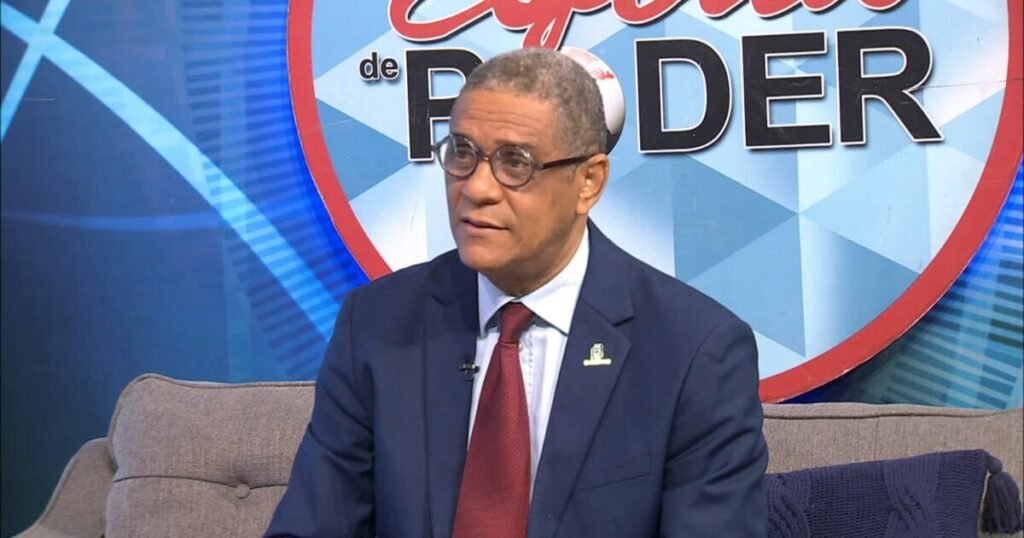
Fernando Pinales, president of the Dominican Confederation of Micro, Small and Medium-Sized Enterprises (CODOPYME), says the Dominican Republic faces a significant challenge from business informality, with more than 400,000 companies operating outside the formal economy.
According to Pinales, these businesses generate economic activity and create jobs but remain outside the tax system, meaning they do not pay taxes or provide workers with the labor protections and social security benefits required under Dominican law. He argued that expanding formalization would strengthen both public finances and worker protections.
Speaking during the television program Esferas de Poder, Pinales cited official figures from the Central Bank of the Dominican Republic, which estimate that informality accounts for between 50% and 60% of economic activity, representing roughly 400,000 businesses operating outside the formal sector.
Micro and Small Businesses Drive Employment
Pinales emphasized the importance of micro, small and medium-sized enterprises (MSMEs) to the Dominican economy. He said these companies represent 98% of all formally established businesses and generate more than 65% of national employment, supporting an estimated 2 million to 3 million jobs.
He also noted that approximately 1.2 million MSMEs are registered with the country’s National Taxpayer Registry (RNC), administered by the Directorate General of Internal Taxes (DGII). Around 70% of Dominican businesses are classified as microenterprises, highlighting their central role in the country’s productive sector.
While acknowledging the Dominican Republic’s recent economic growth and continued investment, Pinales argued that reducing informality should become a national priority. He said encouraging businesses to enter the formal economy would expand access to financing, increase participation in public procurement opportunities and strengthen long-term business development.
Business Sector Seeks Consensus on Labor Reform
Pinales also urged employers and labor unions to resume negotiations over the proposed reform of the Dominican Labor Code, which is currently under review in the National Congress.
He said the existing labor legislation, in force since 1992, should be updated to reflect today’s labor market through agreements reached by all stakeholders rather than through unilateral decisions.
Regarding one of the most debated aspects of the reform, Pinales stated that the business sector is not seeking to eliminate severance pay. Instead, he said employers have proposed introducing a limit of six years or a maximum equivalent to 10 minimum wages. He argued that available studies indicate employees remain with the same company for an average of about three years, a period after which labor benefit claims frequently arise.
Pinales concluded that dialogue remains the most effective path toward achieving a balanced labor reform capable of improving business competitiveness while maintaining adequate protections for workers.