 23°C
23°C

Environmental Groups Question Projects In Dominican Protected Areas
The Academy of Sciences of the Dominican Republic and an environmental commission at the Autonomous University of Santo Domingo are raising concerns over what they describe as growing private-sector involvement in protected areas, citing developments and management decisions involving Valle Nuevo, Cabo Samaná and Isla Catalina.


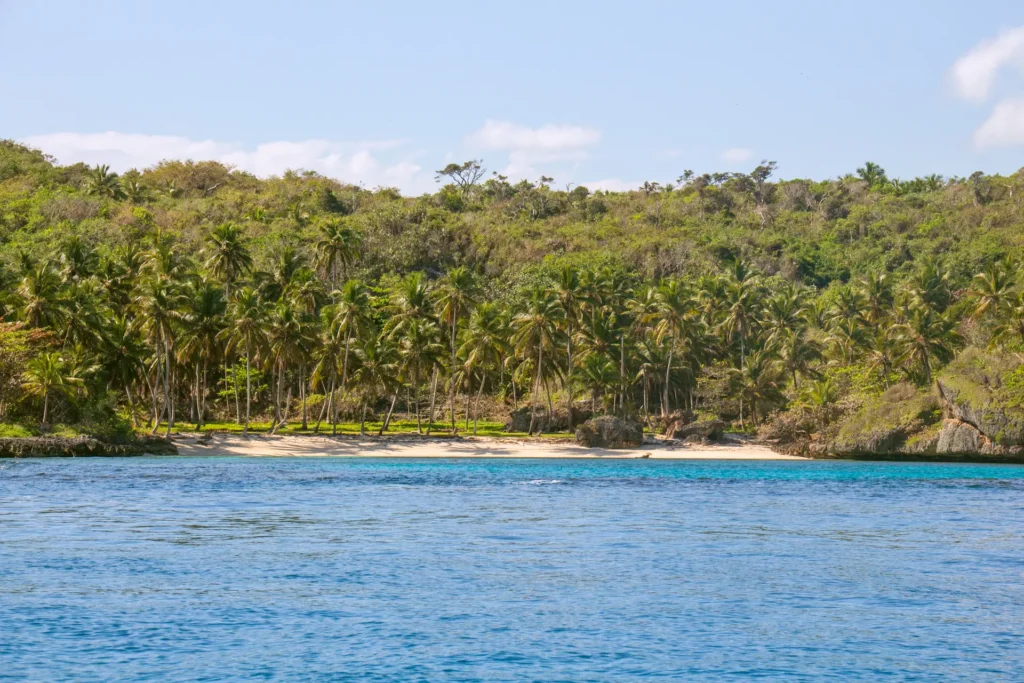
Environmental organizations are questioning how the Dominican Republic is managing several protected areas as private investment and tourism projects move forward in locations that include Valle Nuevo, Cabo Samaná and Isla Catalina. The concerns focus on transparency, compliance with environmental rules and the extent to which commercial activities should be permitted within protected territories.
The criticism comes from the Commission of Natural Sciences and Environment of the Academy of Sciences of the Dominican Republic and the Environmental Commission of the Autonomous University of Santo Domingo (UASD). Both institutions said they are particularly concerned about decisions that could increase private participation in the management or development of protected areas.
Questions Over Valle Nuevo Management
At Valle Nuevo National Park, a high-elevation protected area in the Dominican Republic’s central mountain range, the organizations questioned the reported transfer of management of public-use facilities built with state funds to a private operator.
They said the public has not received sufficient information about the conditions of the arrangement, the criteria used to select the private manager or the procedure followed to reach the agreement. The issue has therefore become part of a broader debate over how public infrastructure inside protected areas should be administered.
Valle Nuevo is among the protected areas formally included in the country’s National System of Protected Areas. Its environmental importance is linked to the mountain ecosystems and water resources found in the region, making decisions about infrastructure and public use particularly relevant to conservation policy.
Concerns About Cabo Samaná Planning
The organizations also questioned the management plan for Cabo Samaná Natural Monument, a protected coastal area in Samaná Province in northeastern Dominican Republic. They argue that the plan could allow private construction and commercial infrastructure within the area’s core zone.
They further raised concerns about the proposed zoning of the surrounding buffer zone. In their view, the proposal could conflict with Resolution 0010/2018, a Ministry of Environment regulation governing the management of buffer zones within the country’s protected-area system.
The resolution remains an identifiable part of the Dominican environmental regulatory framework. The Ministry of Environment’s own documentation describes Resolution 0010/2018 as the rule governing buffer zones for protected areas under the National System of Protected Areas.
Isla Catalina Development Draws Attention
Isla Catalina, a protected island off the coast of La Romana in the country’s southeast, has become another focal point. The environmental groups questioned plans for new tourism facilities and private investment on the island, saying they were not sufficiently informed about the details of the intervention.
The concern comes as tourism infrastructure on Isla Catalina has in fact advanced. In February 2026, President Luis Abinader officially launched construction of a beach club and inaugurated a tourist pier on the island. The government presented the projects as part of efforts to strengthen tourism infrastructure and diversify the destination.
The Ministry of Environment also announced in January 2026 that it had signed an agreement with Costasur Dominicana covering sustainable tourism operations in the Monument Natural Isla Catalina. The ministry said the agreement was based on an environmental authorization and the requirements of Dominican environmental law, allowing activities such as hiking, wildlife observation, diving and non-motorized water sports.
The organizations questioning the development said the public disclosure of information about the broader intervention appeared to come when the project was already at an advanced stage. They warned that this could leave the public discussing the project’s scope and conditions only after important decisions had effectively been made.
Protected Areas Under Greater Development Pressure
The debate illustrates the tension facing the Dominican Republic as it seeks to expand tourism while maintaining the environmental protections attached to national parks and natural monuments. Protected areas can accommodate regulated recreation and ecotourism, but the organizations argue that commercial development should remain subject to clear legal rules, public scrutiny and adequate environmental safeguards.
For international visitors, the issue extends beyond questions of infrastructure. Valle Nuevo, Cabo Samaná and Isla Catalina are part of the country’s natural heritage and contribute to the range of landscapes available for tourism and outdoor activities. Decisions about their management can therefore influence both conservation and the long-term character of destinations that attract visitors to the Dominican Republic.
The environmental groups are seeking greater transparency around the projects and management decisions they identified. The central questions they have raised concern the legal basis for private participation, the terms governing new infrastructure and whether the public has received enough information to evaluate how development will coexist with the protection of these areas.