 25°C
25°C

Dominican Republic Forest Fires Raise Environmental Alarm
A growing number of forest fires has affected protected areas across the Dominican Republic, with the Observatory of Protected Areas estimating that more than 150 square kilometers of forest have been affected this season.


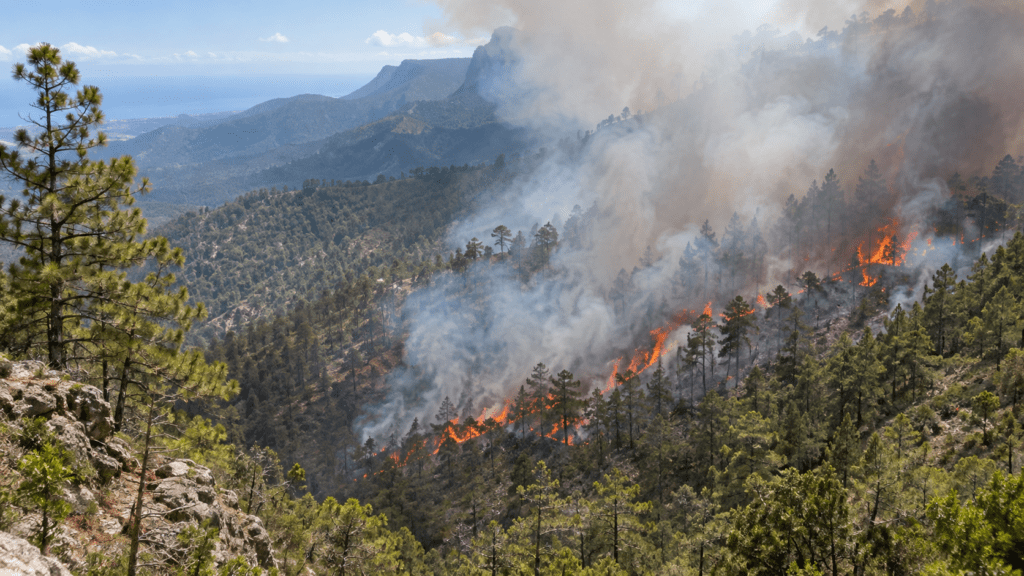
Forest fires across the Dominican Republic have reached a scale that environmental groups say requires a stronger national response, as repeated blazes continue to affect protected ecosystems in several parts of the country.
The Observatory of Protected Areas estimates that more than 150 square kilometers of forest have been affected or reached by fires during the current season. The organization has called for greater prevention, surveillance and protection of areas facing repeated damage.
New Fire Reported in Sierra de Bahoruco
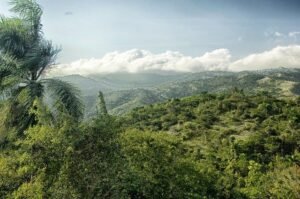
The latest alert comes as a new fire burns in Sierra de Bahoruco National Park, near Hoyo de Pelempito in southwestern Dominican Republic. The affected area contains dense stands of Hispaniolan pine and lies within the Jaragua-Bahoruco-Enriquillo Biosphere Reserve, a protected region recognized for its ecological importance.
Two major fires between June 20 and early July reportedly affected more than 100 square kilometers in the Sierra de Bahoruco area. Additional damage has been reported in Valle Nuevo, where fires have affected more than 50 square kilometers, while at least three other fires in recent weeks have collectively affected more than 30 square kilometers.
Other protected areas identified as having suffered fire damage include Jaragua National Park and La Humeadora. The recurrence of fires in protected forests is particularly significant because ecosystems may have less opportunity to regenerate when new fires occur before previous damage has recovered.
Human Activity Cited as a Major Factor
The Observatory says most of the fires appear to have human origins, including deliberate actions and negligence. It has called for each incident to be investigated so that responsibility can be established through evidence and appropriate procedures.
The organization also urged authorities to examine possible connections between fires and illegal agricultural, livestock and hunting activities inside protected areas. It further called for scrutiny of possible links to illicit human-trafficking networks operating in mountainous zones.
Determining the causes of individual fires is important for both enforcement and prevention. Repeated burning can interfere with forest regeneration, particularly in areas where vegetation is still recovering from previous fires.
Calls for Stronger Monitoring and Prevention
The environmental organization recognized the efforts of forest firefighters, park rangers, brigades, local communities and other agencies involved in containing the fires. At the same time, it said the country’s prevention, surveillance and response capacity needs to be strengthened.
Among the measures proposed are investigations leading to prosecution when sufficient evidence exists, expanded satellite monitoring and ground patrols, scientific assessments of environmental damage, and tighter control of agricultural and livestock burning during periods of elevated fire risk.
The Observatory also called for existing restrictions within protected areas to be enforced and for occupations and activities incompatible with conservation rules to be halted. The fires underscore the challenge of protecting the Dominican Republic’s forests while limiting human activities that can increase the risk of recurring damage.