 26°C
26°C

Dominican Republic Sets Energy And Water Priorities For 2028
Government officials used the fourth Forum on Government Management to outline plans for expanding electricity generation, improving water infrastructure and strengthening environmental management in the Dominican Republic.


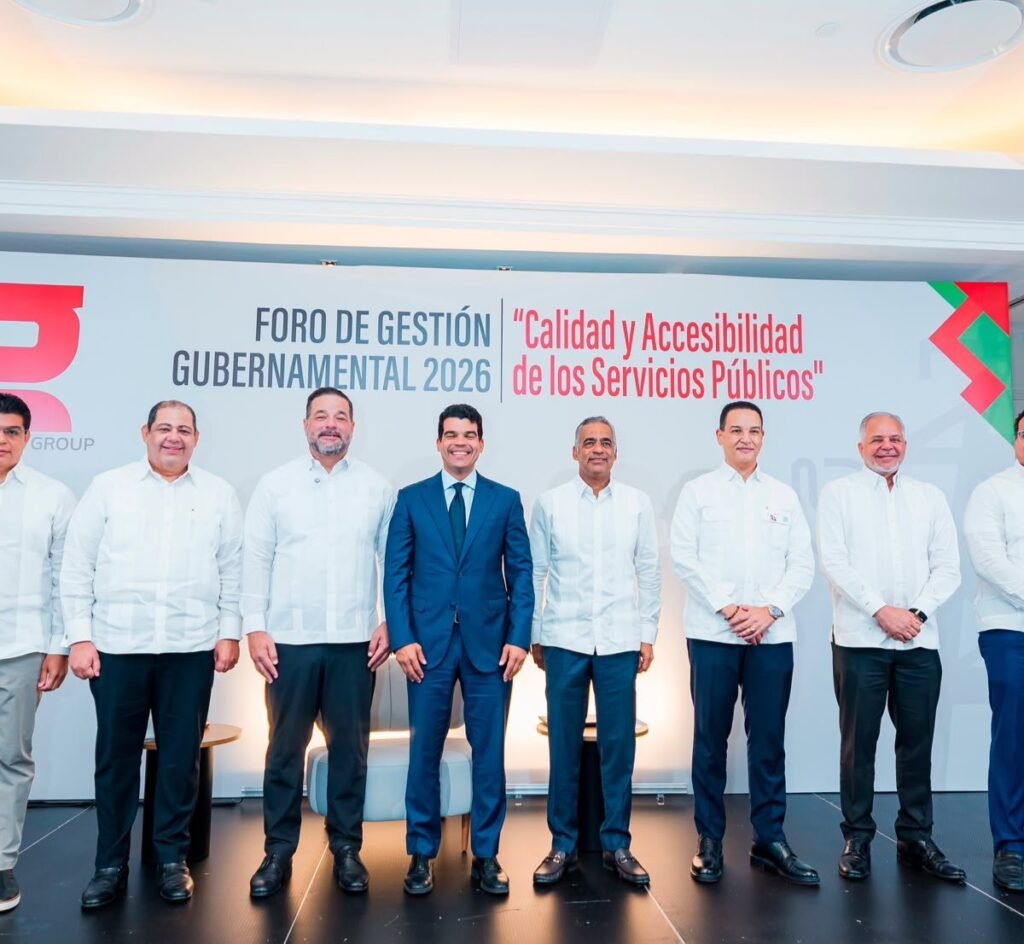
The Dominican Republic is targeting a major expansion of its electricity generation capacity while advancing water and environmental infrastructure projects, according to government officials who presented plans at the fourth Forum on Government Management 2026 in Santo Domingo.
The event, organized by GALA Media Group under the theme “Quality and Accessibility of Public Services,” brought together ministers and senior officials to discuss the delivery of essential services and the infrastructure needed to support economic and territorial development.
Electricity Expansion Is Central To The Government’s Plans
Energy and electricity were among the main issues discussed during the forum. Joel Santos, the Dominican Republic’s minister of Energy and Mines, said the country is expected to add more than 2,500 megawatts of generation capacity by 2028, including significant growth in renewable energy.
The projection covers projects already operating, under construction or at different stages of development. The expansion is intended to increase available electricity as demand grows while supporting a gradual diversification of the country’s energy mix.
Alfonso Rodríguez Tejada, executive vice president of the Dominican Electric Transmission Company (ETED), linked reliable energy infrastructure to economic growth and investment. The transmission company is also working to strengthen the country’s electricity and telecommunications infrastructure.
Andrés Astacio, superintendent of electricity, highlighted the use of technology to improve interactions with consumers and make the sector’s response to user needs more efficient. Rafael Salazar, administrator of the Dominican Hydroelectric Generation Company (EGEHID), discussed maintenance, cleaning and repowering projects at dams and hydroelectric plants, some of which have been operating for more than five decades.
Water Infrastructure Is Expanding
The forum’s second session focused on water management and environmental sustainability, including drinking water, sanitation, waste management and conservation.
Wellington Arnaud, executive director of the National Institute of Potable Water and Sewerage (INAPA), said the institution has completed more than 100 projects and installed over 3,000 kilometers of pipelines, benefiting approximately three million people.
Arnaud said about 2.5 million people have benefited from drinking-water projects, while roughly one million have been reached through sanitation initiatives. The figures reflect the scale of infrastructure required to expand access to basic water services across the country.
Felipe “Fellito” Suberví, director general of the Santo Domingo Aqueduct and Sewerage Corporation (CAASD), said the agency has increased water production by more than 35% while continuing to rehabilitate its supply systems in the Greater Santo Domingo area.
Environmental Management Is Closely Linked To Water Security
Environmental policy was discussed alongside water management, reflecting the connection between land use, waste disposal and the protection of water resources.
Paíno Henríquez, minister of Environment and Natural Resources, said between 60% and 70% of the conflicts currently handled by his ministry are related to land use. He argued that stronger territorial planning would help determine which areas should be protected and which activities can be developed in different parts of the country.
Príamo Ramírez Ubiera, executive director of DO Sostenible, emphasized the role of solid-waste management in protecting water sources. Better waste infrastructure and disposal practices can reduce the risk of contamination reaching rivers and other water resources.
Public Infrastructure Will Shape Future Growth
The discussions brought together several areas that directly influence the Dominican Republic’s development prospects. Reliable electricity is important for households and businesses, while expanded water and sanitation infrastructure affects public health, urban growth and the ability of communities to support economic activity.
The energy target comes as electricity demand continues to expand. The Presidency reported in July that the national power system had reached a record instantaneous peak demand of 4,166.52 megawatts, underscoring the pressure on generation and transmission infrastructure.
At the same time, the government’s water and sanitation projects point to the infrastructure requirements created by population growth and expanding urban areas. For international businesses and investors, the availability and reliability of these services are also relevant to operating conditions and long-term investment decisions.
The forum ultimately highlighted a broad government agenda extending beyond individual infrastructure projects. Energy generation and transmission, potable water, sanitation, territorial planning and waste management are being addressed as interconnected components of the country’s public-service and development strategy.