 23°C
23°C

Las Cuevas Del Pomier Face New Pressure From Mining
Las Cuevas del Pomier in San Cristóbal, Dominican Republic, contain one of the Caribbean’s largest concentrations of Indigenous rock art, but decades of limestone mining have destroyed some caves and continue to raise concerns about the protection of the site.


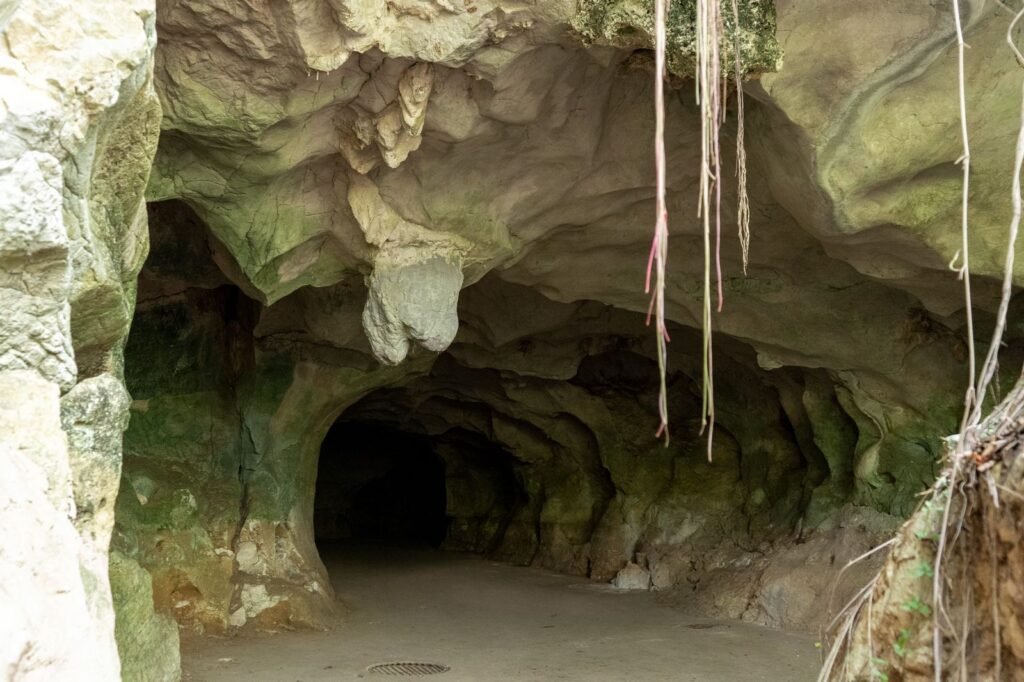
Las Cuevas del Pomier, a vast limestone cave system in San Cristóbal province, preserve more than 6,000 pictographs and about 500 petroglyphs created by Indigenous peoples over roughly 2,000 years. The site is considered one of the most important concentrations of pre-Columbian rock art in the Caribbean.
Its archaeological value, however, exists alongside a long-running conflict over mining. Six caves have already been destroyed by extractive activity, while two mining companies remain in the area and are carrying out environmental remediation programs under government supervision.
A Major Archaeological Site Under Pressure
The Pomier complex consists of about 58 caves set within a karst landscape formed from limestone. Archaeological research has also identified pottery fragments, tools, human remains and other cultural deposits that provide evidence of the daily, ceremonial and spiritual lives of the Caribbean’s early inhabitants.
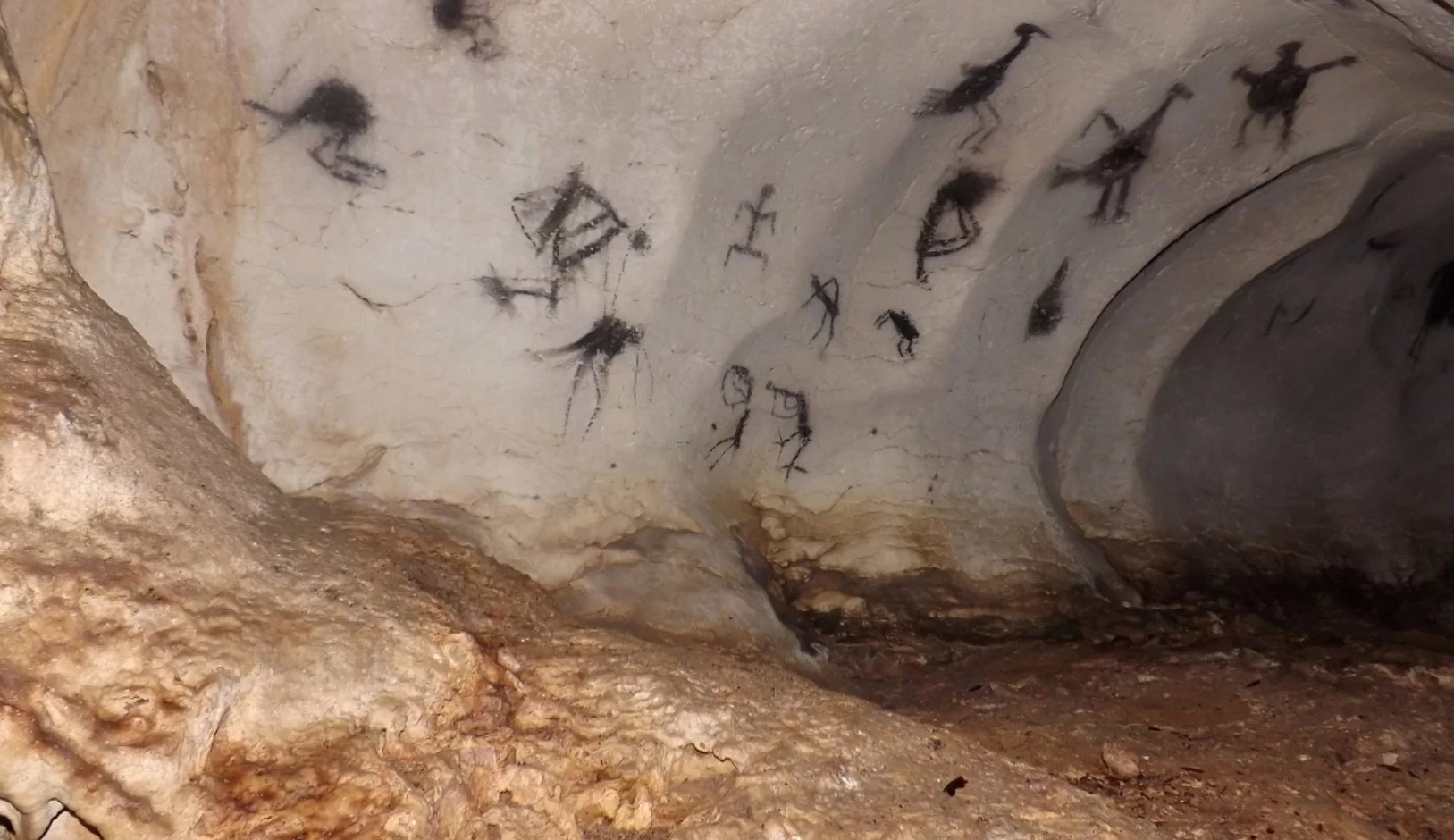
Archaeologist and speleologist Domingo Abreu first entered the caves in 1976. He has spent decades documenting and defending the site, which he describes as one of the Caribbean’s most extraordinary archaeological landscapes. Researchers say its importance extends beyond the artwork because the surrounding landscape helped make the caves ceremonial centers.
Yet the landscape has changed substantially since British biologist and diplomat Robert Hermann Schomburgk documented the caves in 1849. At the height of the mining activity, around 14 companies were extracting limestone in the area.
Mining Activity Has Left a Lasting Impact
Today, Dominicana de Cales (Docalsa) and Industrias GAT are the two companies remaining in the territory. Both are subject to environmental remediation programs approved by the Ministry of Environment and Natural Resources, intended to stabilize degraded areas and address impacts from decades of extraction.
Docalsa spokesman Francisco Aponte said the company was unaware of the existence of a cave known as Tándem, which local advocates say was buried beneath accumulated material. He said the company’s current work is limited to the approved remediation program and does not involve new extraction in the protected area.
Aponte described the work as an effort to control erosion, stabilize former mining areas and restore degraded land through artificial slopes and reforestation. He also said explosives are not being used.
Industrias GAT president Carlos Taveras said the company has not extracted limestone inside the protected area since 2015 and has carried out remediation work independently since then. He also said the company has filed a lawsuit against the Dominican government over regulatory changes that it argues were adopted without adequate notification and due process.
Environmental advocates and local cave defenders dispute the characterization of the current work. They argue that machinery, stored material and industrial activity in the surrounding area continue to affect the caves and their underground water systems.
Concerns Over Caves, Water and Rock Art
The controversy has included particular concern over the Tándem cave. An inspection by the Specialized Office for the Defense of the Environment and Natural Resources followed complaints about its condition. Abreu has called for the cave to be recovered, noting that its petroglyphs include geometric patterns not found elsewhere in the complex.
The Ministry of Environment maintains that the damage to Tándem was documented before the current remediation work and was not caused by the remediation itself. Carlos Augusto Batista, the ministry’s vice minister for Protected Areas and Biodiversity, said current operations are conducted under state supervision and that explosives are expressly prohibited.
Environmental concerns also extend to other caves. Abreu has reported effects on bats and rock art from gaseous emissions and said researchers collected previously undocumented dark deposits from stalactites during a technical assessment involving the Polytechnic University of Valencia. The results of those samples were still pending in the source report.
Local advocates also point to the area’s importance as a water source. The underground aquifer system associated with the caves includes the Toma de San Cristóbal, a water system and bathing area considered important to the surrounding region.
A New Push For Protection
The debate comes as the Dominican Republic increases efforts to give Pomier greater national and international recognition. A presidential commission created in 2025 has been working on the site’s future, while experts from the Dominican Republic and abroad are supporting efforts to strengthen its candidacy for UNESCO heritage recognition.
The Dominican Senate has also approved an initiative declaring the Cuevas del Borbón or Pomier Anthropological Reserve the country’s Rock Art Capital. The move adds political recognition to a site that researchers have long considered significant to the study of the early Caribbean.
Maria José Viñals, a heritage-management specialist at the Polytechnic University of Valencia, visited Pomier as part of a technical mission connected to the UNESCO candidacy. She highlighted the site’s historical importance while identifying effective management and protection as its central challenge.
For the communities around Pomier, the stakes are not limited to archaeology. José Corporán, who grew up entering the caves as a child, argues that the site could eventually support sustainable tourism and provide an alternative economic future once mining activity ends.
For now, the challenge is balancing environmental remediation, industrial activity and the preservation of a fragile archaeological landscape. The outcome will determine whether one of the Caribbean’s most significant records of Indigenous history can be protected for future research and future generations.