 22°C
22°C

Dominican Republic Cost of Living Pressures Mount as Prices Rise
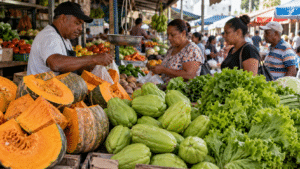
Food prices have risen 48% since August 2020 and school supplies about 32%, according to an economic analysis presented by opposition party Fuerza del Pueblo, highlighting the gap between economic growth and household purchasing power.


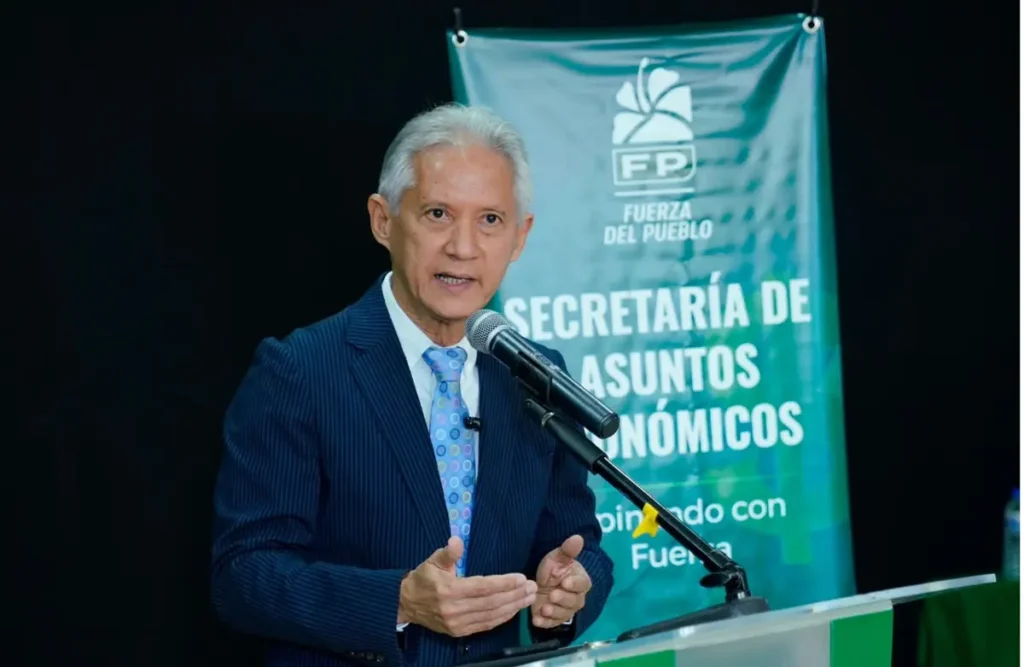
Households in the Dominican Republic are facing sustained cost-of-living pressure despite economic growth, with food prices and school supplies rising sharply over the past six years, according to an analysis presented Thursday by economist Haivanjoe Ng Cortiñas, secretary of Economic Affairs of the opposition Fuerza del Pueblo party.
The analysis found that food inflation accumulated a 48% increase between August 2020 and July 2026, while school supplies rose by approximately 32% over the same period. Ng Cortiñas argued that these increases have reduced the practical benefit of higher household incomes, particularly among lower-income workers.
Food Prices Absorb Much of the Income Growth
The economist said the central issue is not simply how much the Dominican economy has expanded, but how much of that growth has translated into greater purchasing power for families. He argued that rising food costs have absorbed much of the additional income received by households.
According to the figures presented, about 70% of Dominican workers in the lower-income segments do not earn enough on their own to cover the cost of the basic basket for the poorest income quintile, which currently stands at around RD$30,000 per month.
Ng Cortiñas said the situation is particularly visible in everyday spending, including purchases at supermarkets, neighborhood stores and other retail outlets. He also pointed to school expenses, housing and consumer credit as additional sources of pressure on household budgets. These factors are particularly relevant for foreigners considering a move to the country, as the overall cost of living in the Dominican Republic varies significantly depending on housing, food, transportation and other essential expenses.
Household Borrowing Has Also Increased
Growing reliance on credit is another feature highlighted by the analysis. Consumer credit card balances increased by 40%, while consumer loans grew 25% during the period examined, according to the figures presented by Fuerza del Pueblo.
Both increases exceeded the reported 16.75% growth in nominal GDP over the same period. Ng Cortiñas said faster growth in household borrowing can indicate that families are using credit to cover regular expenses and make their income stretch further through the end of the month.
The pressure extends beyond food and consumer spending. The analysis said the cost of construction increased 33.8%, while mortgage interest rates rose by nearly one percentage point from August 2020, making home construction and financing more expensive for households.
Higher Tax Burden Also Cited
The presentation also pointed to changes in tax revenue collected by the central government. According to the figures cited, tax revenue paid by consumers and businesses increased from 14.35% to 15.80% of GDP between 2020 and 2026, equivalent to an increase of 1.45 percentage points relative to the size of the economy.
Ng Cortiñas contrasted these developments with the government’s broader narrative of economic success, arguing that headline growth figures do not necessarily reflect how households experience economic conditions in their daily lives.
His assessment focused on the difference between GDP growth and household purchasing power, emphasizing that families experience the economy through the prices they pay for food, education, housing and financing rather than through aggregate economic indicators alone.
Economic Growth and Household Conditions
The figures presented by the Fuerza del Pueblo economic affairs secretary offer a political interpretation of official economic data and were used to challenge the idea that economic expansion has produced a proportional improvement in living standards.
The analysis does not dispute that the Dominican economy has grown. Instead, it argues that rising consumer prices, housing costs and household indebtedness have limited the extent to which that growth has improved the financial position of many families.
For households, the key measure remains the relationship between income and essential expenses. The data presented by Ng Cortiñas suggests that, despite broader economic expansion, that balance remains under pressure for a significant portion of the population.