 30°C
30°C

Leptospirosis Cases Reach 272 in Dominican Republic
The Dominican Republic has recorded 272 confirmed leptospirosis cases and at least 19 deaths so far this year, with two additional cases reported during the latest epidemiological week. Dengue has also increased, reaching 277 confirmed cases.


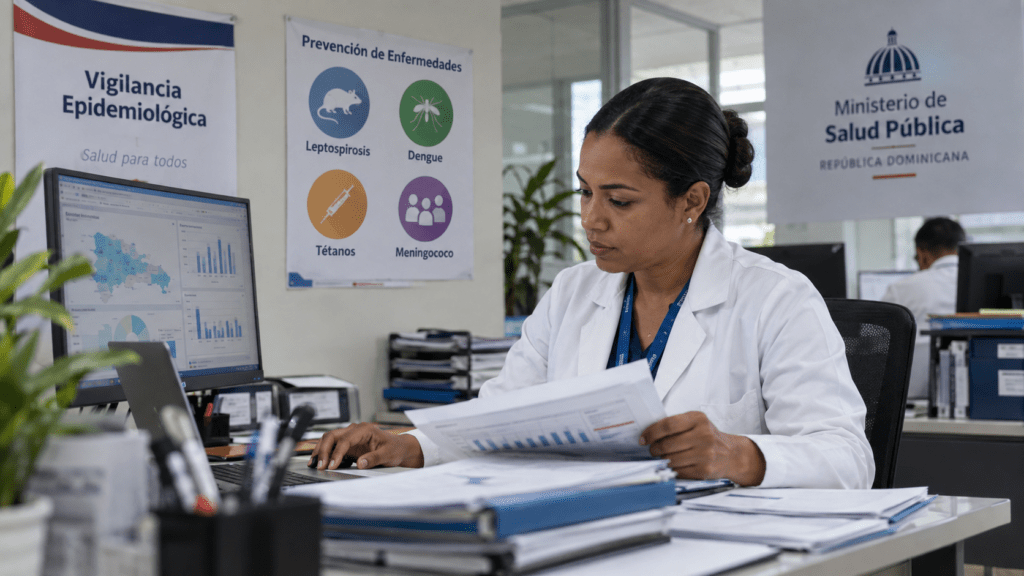
The Dominican Republic has recorded 272 confirmed cases of leptospirosis and at least 19 deaths since the beginning of the year, according to figures from the country’s National Epidemiological Surveillance System (SINAVE). Two new cases were added during the latest epidemiological week.
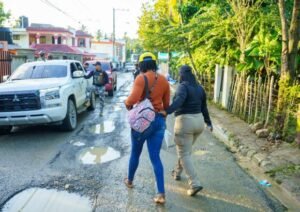
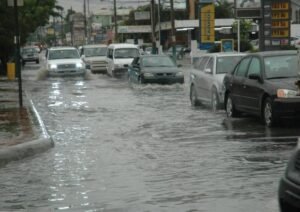
Leptospirosis is a zoonotic bacterial disease commonly associated with exposure to the urine of infected animals, particularly rodents. People can become infected through contact with contaminated water or food, making hygiene and environmental sanitation important elements of prevention.
Dengue Cases Also Increase
Dengue surveillance also recorded nine new confirmed cases during the same seven-day period, bringing the national total to 277 cases this year. Four of the newly confirmed infections were identified as dengue virus serotype 2, or DENV-2, while the other five were not assigned a specific serotype.
DENV-2 is one of the four recognized dengue virus serotypes, alongside DENV-1, DENV-3 and DENV-4. Health specialists associate differences between serotypes with variations in the risk and severity of infection, although individual outcomes can depend on several factors.
Despite the new cases, the Ministry of Public Health says dengue incidence remains within the country’s “success zone” under its epidemiological monitoring system. One death has been attributed to dengue so far this year.
Other Diseases Under Surveillance
Other vaccine-preventable and infectious diseases are also being monitored by health authorities. Tetanus in older age groups, including people without the recommended immunization, has accounted for 19 confirmed cases and eight deaths this year.
Meningococcal disease has recorded 18 cases and four deaths during the same period. The figures form part of the broader epidemiological surveillance carried out nationwide to track diseases requiring public-health attention.
Hygiene Remains a Key Prevention Measure
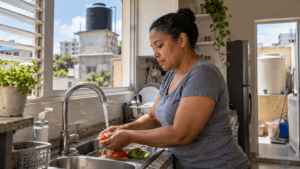
The latest health figures were highlighted around World Hygiene Day, observed on September 3. UNICEF has emphasized the importance of handwashing with soap as a basic measure for reducing the spread of infections, while the Ministry of Public Health has used the occasion to promote hygiene practices in homes, workplaces and food handling.
Hygiene extends beyond personal cleanliness. Keeping households and surrounding areas clean, handling food safely and reducing exposure to contaminated environments can all contribute to preventing diseases such as leptospirosis, cholera, diarrhea, hepatitis and respiratory infections.
For residents and visitors in the Dominican Republic, basic precautions are particularly relevant when dealing with potentially contaminated water, food or environments where rodents may be present. Continued epidemiological surveillance allows health authorities to monitor changes in disease transmission and identify areas where prevention efforts may need to be reinforced.